
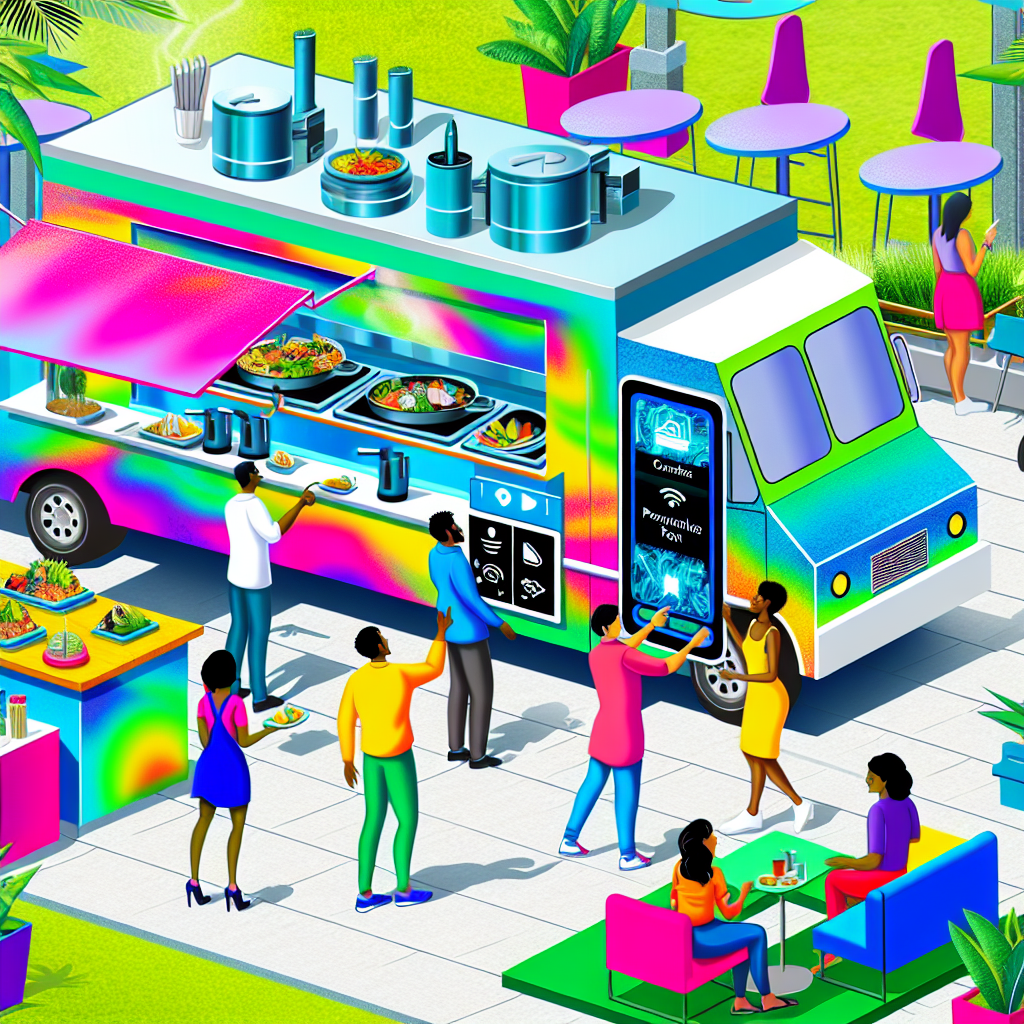
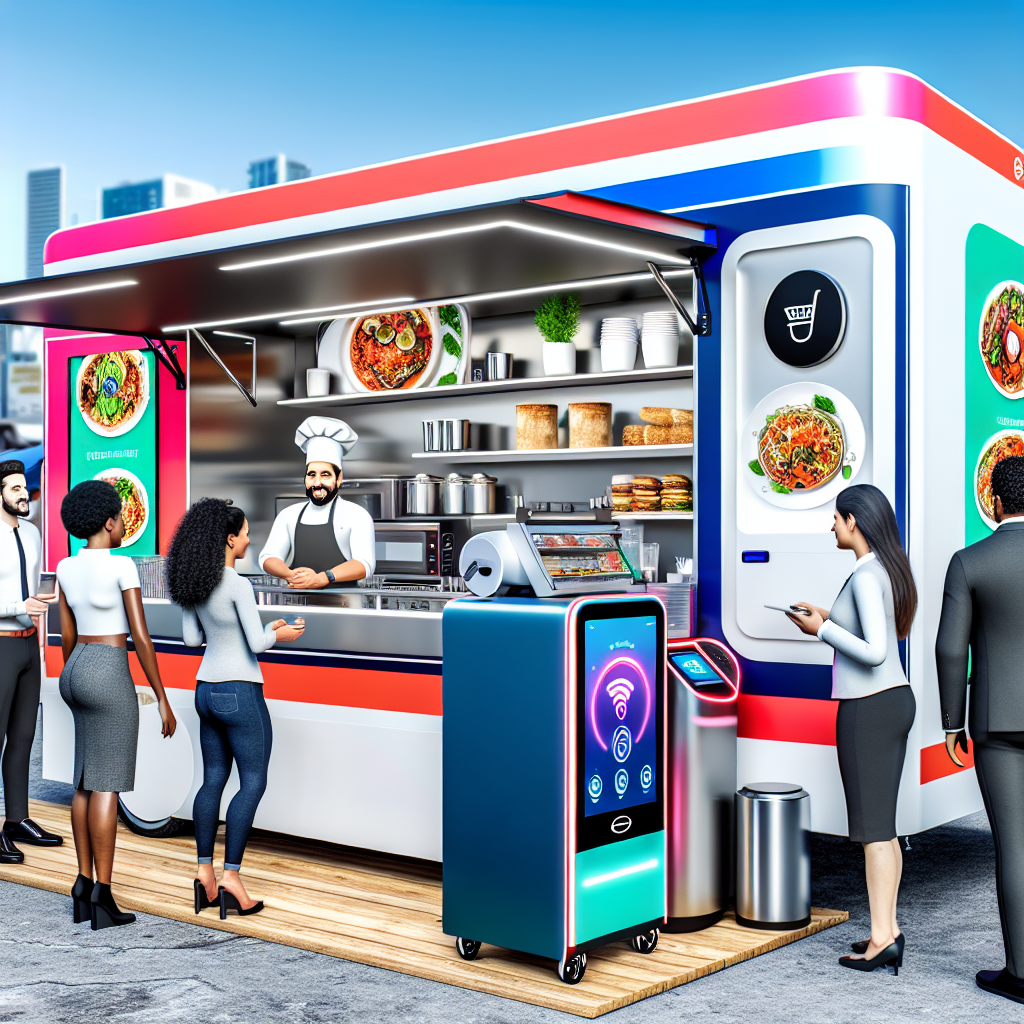
This image illustrates modern food truck technology trends, showcasing high-tech kitchen equipment, smart appliances, energy-efficient cooktops, and contactless payment systems in a vibrant food truck setup.
The Future of Food Trucks: Trends and Regulations
The food truck industry is set to see major improvements in equipment and technology by 2026, focusing on better efficiency and profits while adapting to food truck regulations and mobile food service trends. Here are the key trends to watch:
1. Technological Innovations
- AI-Powered Analytics: Many food truck operators are now using AI tools to analyze sales data, customer preferences, and other operational details in real-time. This helps them refine their menus, adjust prices, and make smarter staffing choices, which can boost profits. Source
- Integrated POS Systems: Modern all-in-one Point of Sale (POS) systems are essential, allowing managers to handle payments and inventory in one place. This makes operations smoother, particularly in the fast-paced world of food trucks. Source
- Contactless Ordering and Payment: Today, around 68% of food trucks are using contactless and mobile payment methods to enhance the customer experience. Source
2. Energy Efficiency
- Energy-Efficient Appliances: Food trucks are increasingly using energy-efficient equipment, such as induction burners and Energy Star-rated refrigerators. This shift helps lower operating costs and reduce environmental impacts. Source
- Solar and Battery Systems: Many operators are now integrating renewable energy sources like solar panels to cut fuel costs and comply with environmental laws. Source
3. New Equipment Types
- Compact Equipment: The focus is on compact, multi-functional appliances that save space and meet energy standards. Equipment like induction burners and combi ovens are becoming popular for their efficiency. Source
- Smart Appliances: Using IoT-enabled kitchen devices allows for real-time monitoring and automation, leading to better efficiency and enhanced food safety. Source
By adopting these trends and aligning with emerging food truck regulations, food truck operators can greatly improve their efficiency and profitability in the changing market.
Regulatory Challenges
The food truck industry faces various regulations that significantly impact operations. Here are some outbound links to further explore market reports and compliance guidelines:
- Market Growth and Projections: The U.S. food truck market was valued at approximately USD 1.09 billion in 2025, projected to reach USD 1.51 billion by 2030 at a 6.60% compound annual growth rate. For more detailed insights, check out this report from Mordor Intelligence.
- Regulatory Challenges: Understanding the complexities of permits, health and safety regulations, and local zoning laws is crucial for food truck operators. The Verified Market Research outlines the challenges faced by operators regarding regulatory compliance.
- Food Safety Regulations: The FDA’s Food Safety Modernization Act mandates improved traceability for certain foods, impacting food truck operations significantly. More information can be found on Produce Market Guide.
- State-Specific Regulations: States like Colorado and Oklahoma have implemented new laws that simplify operations for food truck operators. Details on Colorado’s HB 1295 can be read here.
- Environmental Regulations: The EPA has introduced new greenhouse gas emissions standards that food truck operators will need to comply with. Learn more from this article on Food Logistics.
These resources provide a deeper understanding of the regulatory landscape shaping the food truck industry, which is essential for navigating the complexities of food truck operations in 2026 and beyond.
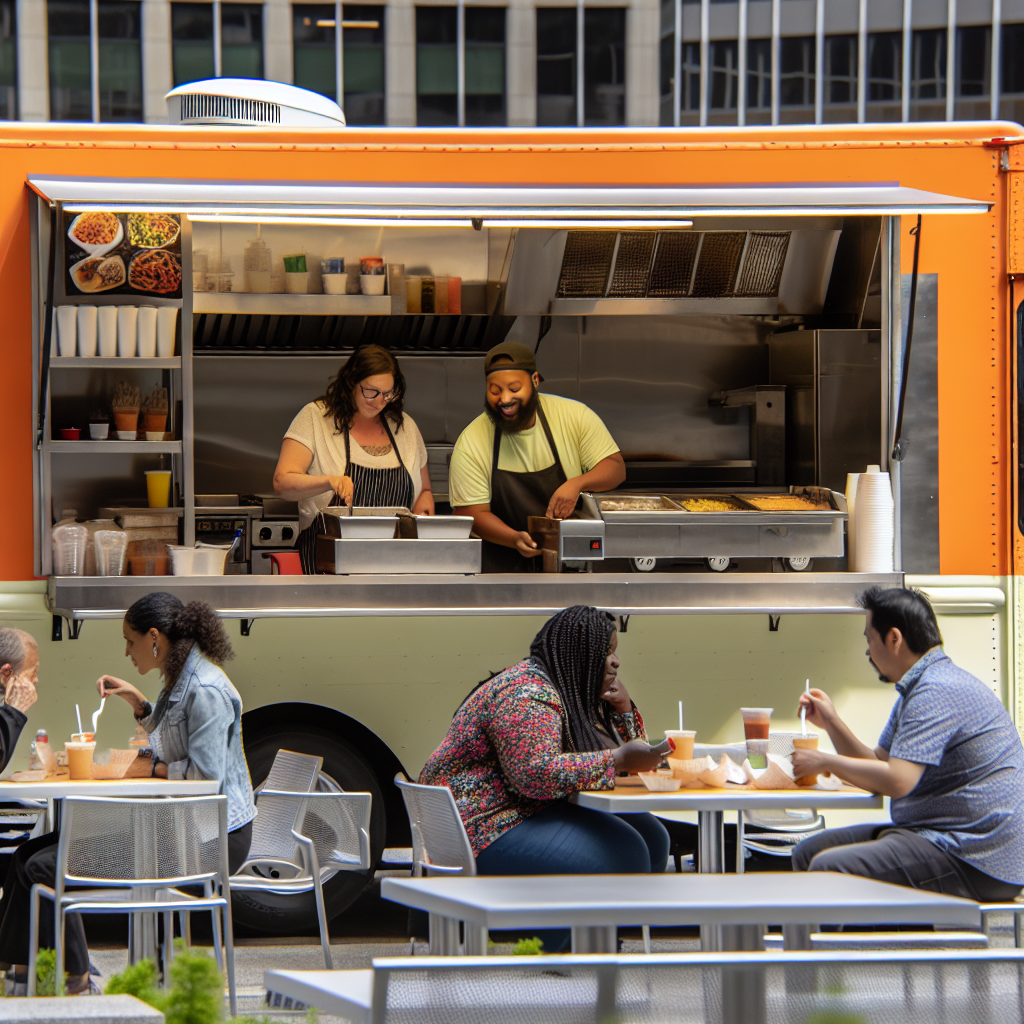
This image depicts a modern food truck setup, showcasing its vibrant layout and equipment used for food preparation. The scene reflects the current trends in the food truck industry by highlighting essential kitchen appliances, outdoor seating, and a lively urban atmosphere, making it an inviting spot for customers.
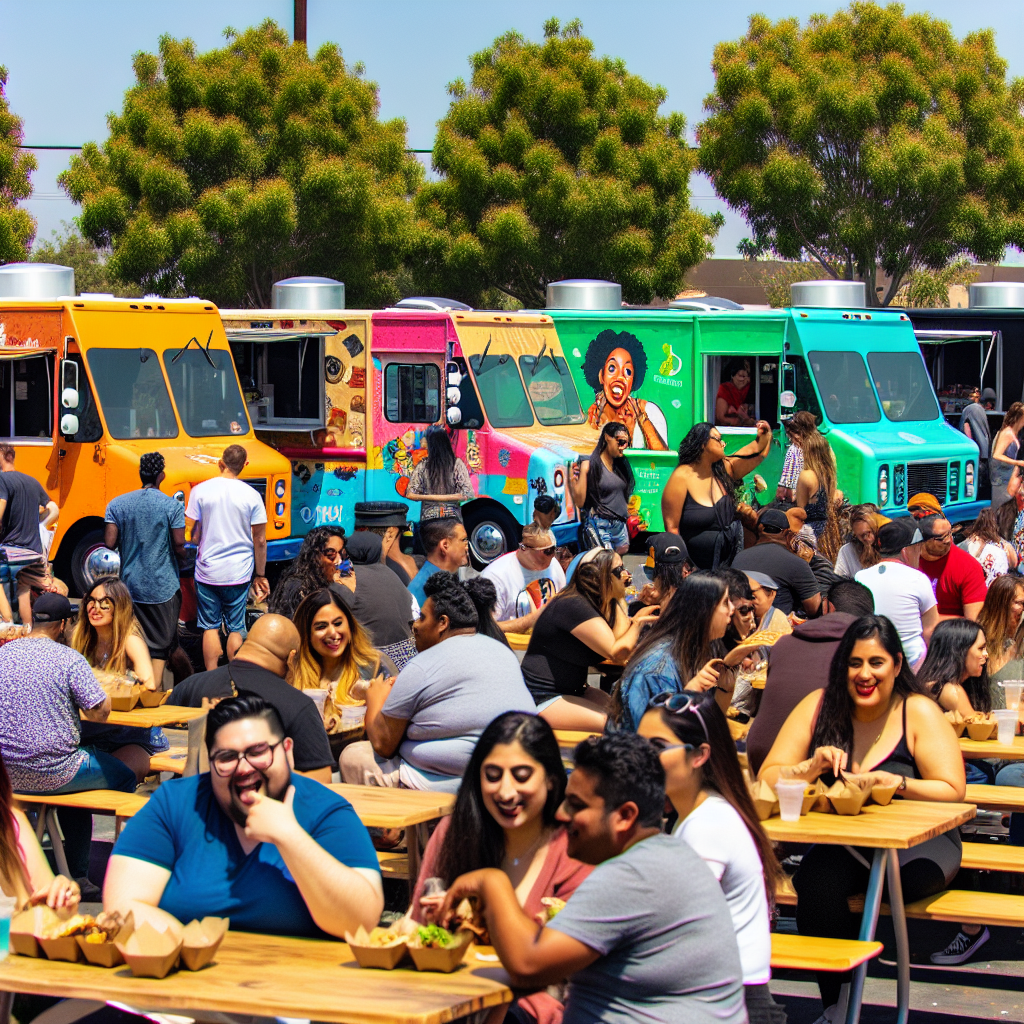
This image illustrates a bustling food truck event, showcasing various food trucks and a diverse group of customers enjoying their meals. It captures the vibrant atmosphere and growing popularity of food trucks in urban settings.
The impact of trailer orders on food truck operations in 2026 is significant, as the availability of trailers can dictate the growth trajectories of food truck businesses. When trailer orders are robust, it indicates a strong supply chain, enabling food trucks to increase their operational capacity, expand their fleets, and innovate their service offerings to meet consumer demand.
In contrast, recently reported weak trailer orders may lead to substantial constraints for food truck operators. With the August trailer order figures reflecting a decrease of 10,000 units compared to historical averages, food truck businesses could struggle to acquire new trailers. Such an environment limits expansion opportunities and can hinder operational efficiency as businesses may have to work with outdated or inadequate equipment.
As we move into 2026, food truck operators face the possibility of high demand coupled with low supply of trailers. This situation may create pricing pressures, as the limited number of available trailers can drive up costs in an already competitive market. Operators must navigate these challenges by refining their procurement strategies, considering alternative financing options, or exploring partnerships to secure the resources necessary for continued growth and operational success.
Ultimately, the interplay between trailer availability and food truck operations will shape the landscape of the food truck industry in 2026, underscoring the need for strategic planning and adaptability among food truck operators.
| Equipment Type | Description | Estimated Cost Range (USD) |
|---|---|---|
| Grills/Griddles | Flat-top grills or griddles for cooking burgers, sandwiches, and more. | $1,500 – $8,000 |
| Deep Fryers | Commercial deep fryers for preparing fried foods like fries and chicken. | $1,200 – $5,000 |
| Refrigerators | Reach-in or under-counter refrigerators for ingredient storage. | $1,200 – $6,000 |
| Freezers | Chest or upright freezers for frozen goods storage. | $1,500 – $4,000 |
| Ovens | Convection or combi ovens for baking and roasting. | $2,500 – $10,000 |
| Prep Tables | Stainless steel tables for food preparation. | $500 – $1,500 |
| Ventilation & Fire Suppression | Exhaust hoods with integrated fire suppression systems. | $5,000 – $10,000 |
| Generators | Commercial generators to power equipment. | $2,000 – $10,000 |
| Sinks | Three-compartment sinks for dishwashing and handwashing stations. | $1,000 – $3,000 |
Note: Costs can vary based on brand, size, and specific features. It’s advisable to obtain quotes from multiple suppliers to get the best value.
These estimates are compiled from various sources, including BusinessDojo, Mobile Culinaire, and The Restaurant Warehouse.
Overview of Average Startup Costs for Key Equipment Types
- Grills and Griddles:
- Flat-Top Grills/Griddles: Prices range from $1,500 to $8,000, depending on size (24″ to 60″), fuel type (gas or electric), and features like thermostatic controls.
- Fryers:
- Commercial Deep Fryers: Costs vary between $1,200 and $5,000, influenced by factors such as single or double basket configurations, fuel type, and oil capacity (15-50 lbs).
- Refrigeration Units:
- Reach-In Refrigerators: Typically priced between $2,500 and $6,000 for 1-3 door units with stainless steel construction and digital temperature controls.
- Undercounter Refrigerators: Common in food trucks, these units cost between $800 and $2,000 each, offering space-efficient storage beneath prep counters.
- Freezers: Chest or upright freezers range from $1,500 to $4,000, essential for storing frozen ingredients or pre-made items.
- Food Preparation Areas:
- Prep Tables: Stainless steel worktables are priced between $200 and $1,000, providing durable and hygienic surfaces for food preparation.
- Sink Systems: Health codes often require a three-compartment sink for washing, rinsing, and sanitizing dishes, plus a separate handwashing sink. Combined, these can cost between $1,000 and $3,000.
Please note that these prices are approximate and can vary based on brand, quality, and specific features. Additionally, purchasing used equipment can reduce initial costs but may lead to higher maintenance expenses over time.
Expert Insights on Food Truck Trends for 2026
As we look toward 2026, industry experts provide valuable perspectives on the evolving landscape of the food truck sector, particularly regarding equipment, operations, and consumer preferences. Here are some insightful quotes:
-
Customization and Quality
“Operators are demanding custom-designed builds featuring robust electrical systems and streamlined workflows. This reflects a significant shift toward purpose-built mobile kitchens that ensure long-term use and reduced maintenance costs.” – Elhaj Custom Food Trucks (source) -
Sustainability as a Standard
“Eco-friendly practices, such as biodegradable packaging and sourcing local ingredients, are becoming non-negotiable for food trucks. This commitment not only lowers their carbon footprint but also attracts a consumer base that values sustainability.” – Medium (source) -
AI Integration
“The integration of AI in menu management is a game changer, offering insights that help optimize pricing and promotions based on dynamic consumer behavior. This can significantly boost profits for food truck operators.” – foodlawblog.com (source) -
Contactless Innovations
“The shift to mobile ordering coupled with contactless payment methods is streamlining food truck operations, ensuring faster service and heightened customer satisfaction during peak hours.” – Tryotter (source) -
Green Energy Solutions
“Solar panels and battery systems are now commonplace in food truck operations. This transition reduces fuel costs and aligns with modern environmental standards, responding well to both consumer and regulatory expectations.” – Accio (source) -
Equipment Efficiency
“Adopting multi-functional appliances such as combi ovens can help operators maximize kitchen space and improve energy efficiency, which is especially crucial for food trucks operating in tight quarters.” – Accio (source) -
Diversified Menus
“Operators are embracing global cuisine and healthier options to appeal to a broader audience. This diversification not only adds excitement but also positions them well in a competitive market.” – Truck Tasting (source) -
Community and Collaborations
“Food trucks participating in local events or forming partnerships can increase visibility and build customer loyalty. This collaboration is key for long-term success in today’s market.” – LinkedIn (source)
In conclusion, as food trucks evolve to meet the demands of technological advancements and consumer desires, those who heed expert predictions and adapt accordingly can position themselves for success in 2026 and beyond.
User Adoption Trends in the Food Truck Industry
The food truck industry is experiencing remarkable growth, driven by evolving consumer preferences and technological innovations. Here are the key statistics and projections for 2025 and beyond:
Market Growth
- The global food truck market is valued at approximately $5.8 billion in 2025, projected to grow to $10.9 billion by 2035, with a compound annual growth rate (CAGR) of 6.4%. [source]
- The U.S. market is estimated to generate around $2.8 billion in revenue by 2025. [source]
Demographics
- Millennials (ages 18–34) represent the largest segment of food truck consumers, with 47% having purchased from a food truck. This is significantly higher than 35% for Gen Xers and 19% for Baby Boomers. [source]
- The Asia-Pacific market is the fastest-growing region, expected to reach $1.13 billion in value, driven by urbanization and a rising street food culture.
Consumer Trends
- Health-conscious options are on the rise, with plant-based and gluten-free items making up 25.18% of food truck menus.
- Convenience reigns supreme; 92% of customers favor food trucks for their quick service, with an average spending of $12.50 per visit. [source]
These trends highlight a robust and adaptive food truck industry, poised for continued growth and innovation as it meets the diverse needs of modern consumers.
In conclusion, the food truck industry is on the cusp of transformative changes as we approach 2026. Key insights highlight the significant role of technological advancements in enhancing operational efficiencies while emphasizing the importance of sustainability and adaptability. Entrepreneurs looking to enter this dynamic market should prioritize innovative equipment and digital solutions that meet modern consumer demands.
The economic landscape underscores the necessity of strategic planning, particularly in navigating the challenges associated with equipment procurement and the potential impacts of trailer availability. By aligning with trends such as contactless payments and energy-efficient operations, food truck owners can position themselves favorably in this competitive environment.
As potential entrepreneurs consider embarking on this exciting journey, embracing every recommended strategy offers not only the potential for success but also the opportunity to contribute positively to community food culture. With these insights in mind, those ready to adapt and innovate will find ample opportunities in the vibrant world of food trucks.
Potential Challenges for Food Trucks in 2026
As the food truck industry continues to evolve, operators may face several challenges in 2026, particularly concerning equipment availability and economic conditions:
-
Equipment Shortages
Food truck owners are likely to experience challenges related to equipment shortages due to ongoing supply chain disruptions. Global conflicts, climate events, and tariffs on crucial materials like steel and aluminum have constrained the availability of essential truck components and kitchen equipment, making it difficult for operators to upgrade or replace aging units.
-
Rising Operational Costs
Inflation is a persistent threat, with food prices rising significantly—2.9% for food and beverages over the past year. This increase will directly impact food truck operators’ budgets as they grapple with higher costs for essential ingredients and supplies. Additionally, fluctuating fuel prices further strain operational expenses.
-
Consumer Spending Shifts
Economic uncertainty may lead to changing consumer spending habits. Price sensitivity is on the rise, with many consumers seeking more cost-effective dining options. Food truck owners may need to adjust pricing strategies or offer promotions to attract budget-conscious customers, potentially squeezing profit margins.
-
Increased Competition
As the food truck market continues to grow, competition will intensify. With numerous food trucks vying for the same customer base, operators will need to leverage innovative marketing strategies and technology to differentiate themselves in a crowded field.
-
Regulatory Hurdles
Navigating the complex maze of local regulations and permits can be a significant challenge for food truck operators. Increased regulations and compliance requirements could hinder new entrants and create additional burdens for existing businesses.
These challenges necessitate adaptive strategies and forward-thinking approaches for food truck owners to thrive in the evolving landscape of the food industry.
Key Takeaways for Food Truck Operators
To summarize the important insights discussed in this article, here are the key takeaways for food truck operators aiming for success in 2026:
- Embrace Technological Innovations: Utilize AI-powered analytics, integrated POS systems, and contactless payment solutions to improve operational efficiency.
- Focus on Energy Efficiency: Invest in energy-efficient appliances and consider incorporating renewable energy sources like solar panels to reduce costs and environmental impact.
- Stay Ahead with New Equipment Types: Opt for compact, smart appliances that improve kitchen workflows and energy efficiency, crucial in space-limited environments.
- Monitor Market Trends: Keep an eye on consumer preferences for health-oriented menus and the rising demand for diverse culinary options.
- Strategize Procurement: Develop innovative procurement plans for equipment and consider partnerships to navigate supply chain challenges.
- Adapt to Regulatory Changes: Ensure compliance with evolving regulations and explore opportunities for flexibility in operations.
- Engage with the Community: Participate in local events and build partnerships to strengthen brand loyalty and visibility.
These strategies will enable food truck owners to navigate the competitive landscape successfully, respond to market demands, and sustain growth amid challenges that arise in the food truck industry.