
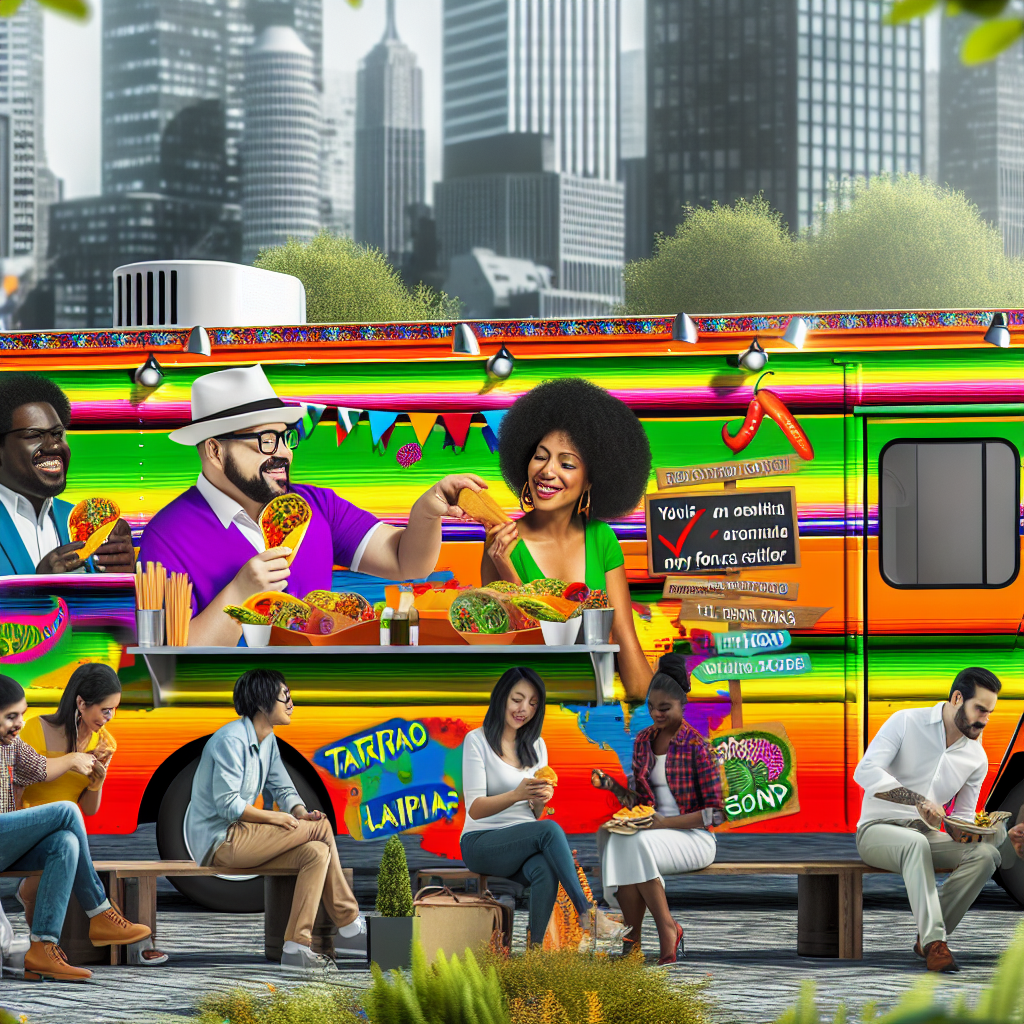
The impact of tariffs on Latino food truck businesses is a pressing issue that ties into broader economic dynamics and trade policies. Over the last few years, the Latino food truck industry has experienced impressive growth, increasing by approximately 34% from 2018 to 2023. Latino-owned food trucks now comprise about 25% of the total food truck market in the United States, driven by a vibrant demand for authentic ethnic cuisine. This rise reflects the significance and resilience of Latino entrepreneurs in a sector that has seen an overall growth of 10.3% annually between 2019 and 2024, with projections indicating a continued upward trajectory in 2025.
However, the recent implementation of a $3,500 tariff surcharge by Volvo highlights how manufacturers are responding to trade pressures, ultimately affecting business owners who rely on such products. In the context of the food truck industry, these surcharges can significantly affect profit margins and overall business sustainability. Understanding the implications of such tariffs is critical for stakeholders looking to navigate this challenging economic landscape.
Emotional Impact of Tariffs on Latino Food Truck Owners
The emotional impact of tariffs on Latino food truck owners cannot be overstated. As these entrepreneurs face rising operational costs due to increased tariffs on essential ingredients and equipment, they frequently experience significant financial strain. For many Latino food truck owners, the day-to-day challenges extend beyond mere numbers; they manifest in stress, anxiety, and fear for their futures. As reported by NBC News, 2021, many Latino-owned small businesses, including food trucks, suffer from heightened operational costs that cut into already thin profit margins, leading to an overwhelming sense of uncertainty about sustainability.
Furthermore, a report by The Guardian, 2022 illustrates how tariffs on aluminum, steel, and imported ingredients have forced owners to work longer hours, intensifying emotional stress and fears of business closure. Many struggle not only with the pressure of meeting increased costs but also in providing for their families and maintaining customer loyalty amid economic instability. The Los Angeles Times, 2023 highlights that numerous food truck owners have reported a burnout and strain on family relationships due to rising expenses and competition.
This emotional toll cannot be overlooked. The combined pressures of shrinking profit margins, ongoing tariff-induced challenges, and the need to adapt to survive in a competitive landscape lead many food truck operators to a state of financial unease that significantly impacts their mental health and overall well-being. Ultimately, the tariffs not only disrupt their businesses but also threaten their dreams of success and stability within their communities.
| Food Truck Type | Tariff Impact (%) | Major Goods Affected | Additional Operational Costs |
|---|---|---|---|
| Latino / Mexican | 18 – 35 | Avocados (25%), Mexican cheeses (20%), spices (15%) | Increased compliance fees, labor costs due to operational strain |
| Gourmet | 10 – 20 | Olive oil (15%), imported cheeses (20%) | Varies based on ingredient sourcing, typically less than Latino trucks |
| Dessert | 5 – 10 | Sugars (5%), specialty chocolates (10%) | Minimal increase; largely stable operational costs |
| Ethnic (Asian, etc.) | 15 – 25 | Specialty ingredients, sauces | Moderate operational adjustments due to rising ingredient costs |
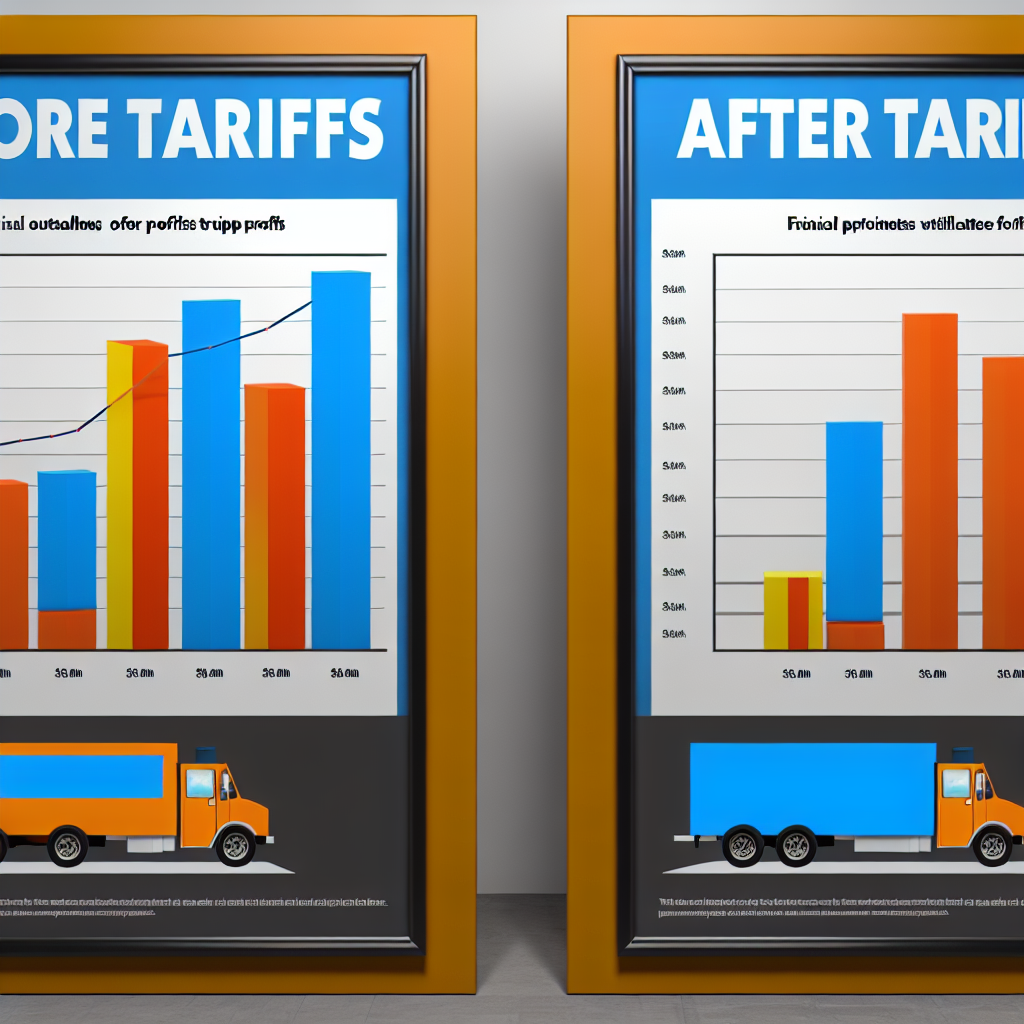
This comparative table summarizes the varying impacts of tariffs on different types of food trucks, emphasizing how Latino and Mexican food trucks face the highest tariffs compared to their gourmet and dessert counterparts. The increased costs associated with tariffs directly affect the price of essential ingredients, which can devastate profit margins relentlessly.
Understanding these differences is crucial for aspiring food truck owners and policymakers aiming to support minority-owned businesses in an increasingly challenging economic environment. By painting a clearer picture of how tariffs influence profitability, stakeholders can better address the needs of targeted communities.
The Latino food truck industry has exhibited remarkable growth over the past five years, reflecting resilience despite external pressures such as tariffs. From 2018 to 2023, Latino-owned food trucks grew by approximately 34%, significantly outpacing the overall small business growth rate. In fact, these businesses make up about 25% of the total food truck market in the United States, showcasing a strong demand for authentic ethnic cuisine.
However, the impact of tariffs on this segment cannot be overlooked. Over the same period, tariffs have increased costs for Latino food truck owners by 18 to 25% for key ingredients and equipment. Many operators have witnessed a compression of profit margins as they struggle to absorb these rising costs. In response to these challenges, numerous Latino food entrepreneurs have adapted by sourcing local ingredients or raising menu prices in an attempt to maintain profitability.
There’s also evidence that tariffs have significantly influenced growth patterns among food trucks. Latino food trucks in areas affected by tariffs have experienced roughly 12% slower growth compared to those in regions unaffected by such trade barriers. This indicates that while there is strong overall growth within the Latino food truck niche, external economic factors play a crucial role in shaping the landscape.
For further insights on the growth of Latino-owned businesses, see the 2023 Small Business Trends Report by Guidant Financial, which highlights a 34% growth rate over the past decade. The State of Latino Entrepreneurship Report by Stanford reveals that Latino business owners grew 44% faster than the national average between 2012-2022. The Minority Business Growth Trends and Statistics report from the U.S. Small Business Administration shows Latino entrepreneurs starting businesses at 2.5 times the rate of the general population. Additionally, the Hispanic Chamber of Commerce highlights that Latino-owned businesses contribute $2.3 trillion to the U.S. economy annually.
On the impact of tariffs specifically, an article from The Hill points out the disproportionate effects on Latino entrepreneurs relying on imported goods, particularly food truck owners facing rising costs for ingredients. CNBC emphasizes that many Latino-owned food trucks operate on thin margins and lack the capital to absorb higher prices. The Brookings Institution also outlines the financial strain from tariffs on essential commercial equipment used by these businesses in their report, “The Unequal Burden of Tariffs on Minority-Owned Firms” (available here). Furthermore, NBC News provides firsthand accounts from food truck owners dealing with the impact of tariffs on operational costs.
These insights collectively illustrate the dynamic environment in which Latino food truck operators are working, where growth is often hindered by the economic challenges presented by tariffs and external pressures.
Supporting Organizations for Latino Food Truck Entrepreneurs
Organizations play a critical role in supporting Latino food truck owners as they navigate the complexities of tariff challenges and work towards business resilience. Several initiatives provide essential resources that help these entrepreneurs mitigate the negative impacts of rising costs due to tariffs. Here are key organizations leading the way:
- Latino Food Truck Initiative by the U.S. Hispanic Chamber of Commerce offers specialized support, including guidance on navigating tariffs, access to low-interest loans, and workshops focused on business resilience and compliance.
- Small Business Development Centers (SBDCs) provide bilingual consulting services for Latino entrepreneurs, assisting with tariff classifications and cost mitigation strategies for imported goods.
- Accion Opportunity Fund offers financing specifically tailored for food truck businesses, providing resources and advisory services focused on supply chain resilience in the face of tariffs.
- Latino Economic Development Center (LEDC) provides custom support for Latino food entrepreneurs, including customs documentation assistance and microloans for purchasing crucial equipment affected by tariffs.
- National Association for Latino Community Asset Builders (NALCAB) focuses on training Latino food businesses to navigate regulatory challenges, providing access to capital and resources for building resilient supply chains.
Success Stories
Noteworthy success stories demonstrate the impact of these organizations. The Latino Restaurant Association has supported ‘Sabor Latino Food Truck’ by providing mentorship and grants, helping them pivot their menu to manage rising costs. Similarly, NALCAB aided ‘El Camión Mexicano’ in enhancing local sourcing, resulting in a 20% increase in profitability despite tariff difficulties. Additionally, advocacy efforts by the US Hispanic Chamber of Commerce have reportedly saved businesses like ‘Taquería Movil’ substantial amounts by helping them secure tariff waivers.
These initiatives illustrate the tangible benefits of organizational support for Latino food truck owners, empowering them to overcome challenges and thrive in a competitive marketplace.
Conclusion: Time to Support Latino Food Truck Entrepreneurs
In conclusion, the challenges faced by Latino food truck businesses due to rising tariffs are significant, yet these entrepreneurs continue to demonstrate remarkable resilience and adaptability. As these owners navigate the complexities imposed by tariffs, it is crucial for communities to rally together in support of their local food trucks. By choosing to buy from these businesses, we not only help sustain them but also celebrate the rich culinary diversity they offer.
Furthermore, organizations dedicated to supporting Latino entrepreneurs play a pivotal role in equipping food truck owners with the resources and guidance needed to weather these economic storms. Their efforts provide hope and pathways for survival, showing that even in the face of adversity, there are avenues to thrive.
As we look to the future, it is essential to remain optimistic about the growth of Latino food trucks within the marketplace. By standing behind these passionate entrepreneurs and advocating for fair economic policies, we can foster a thriving ecosystem that empowers communities and promotes cultural exchange. Together, let us be part of the solution, offering support and hope to the vibrant Latino food truck industry, ensuring its sustenance and success for generations to come.
Personal Anecdotes from Latino Food Truck Owners
The stories of Latino food truck owners vividly illustrate the profound impact of tariffs on their businesses. Maria Rodriguez, who operates ‘Sabores Latinos’ in Los Angeles, embodies the struggle many face:
“The cost of our tortillas doubled because of tariffs on Mexican imports. We had to absorb some costs but eventually raised taco prices by $1.”
In Miami, Carlos Mendez recounts his own challenges:
“The cost of cheese and meat jumped 20% overnight. We absorbed costs as long as we could, but eventually, we had to cut portions. It hurts our reputation.”
His hopes are that more stable import policies can better protect family-run operations like his.
Ana Ruiz, who runs ‘El Sabor de Oaxaca’ in Chicago, shares her struggle with sourcing:
“We started sourcing locally, but it’s not the same. Some authentic ingredients you just can’t find locally. The community has been supportive, but long-term, we need fair trade that recognizes cultural culinary needs.”
Javier Mendez, operating ‘Sabor Austin’ in Texas, describes switching to local suppliers, stating:
“We’ve had to cut our margins thin. Some authentic ingredients are irreplaceable, and it’s challenging to maintain quality while adapting to costs.”
His story highlights the balance between maintaining authenticity and adapting to new market conditions.
Roberto Sánchez from New York shares:
“Tariffs on our truck parts made repairs devastating. We’ve learned to fix more things ourselves.”
This reflects the innovative spirit and determination these entrepreneurs exhibit as they adapt their strategies amid rising costs.
These anecdotes reflect the resilience and determination of Latino food truck owners as they confront the bewildering realities of trade policies and tariffs, showcasing their struggles and their hopes for the future.
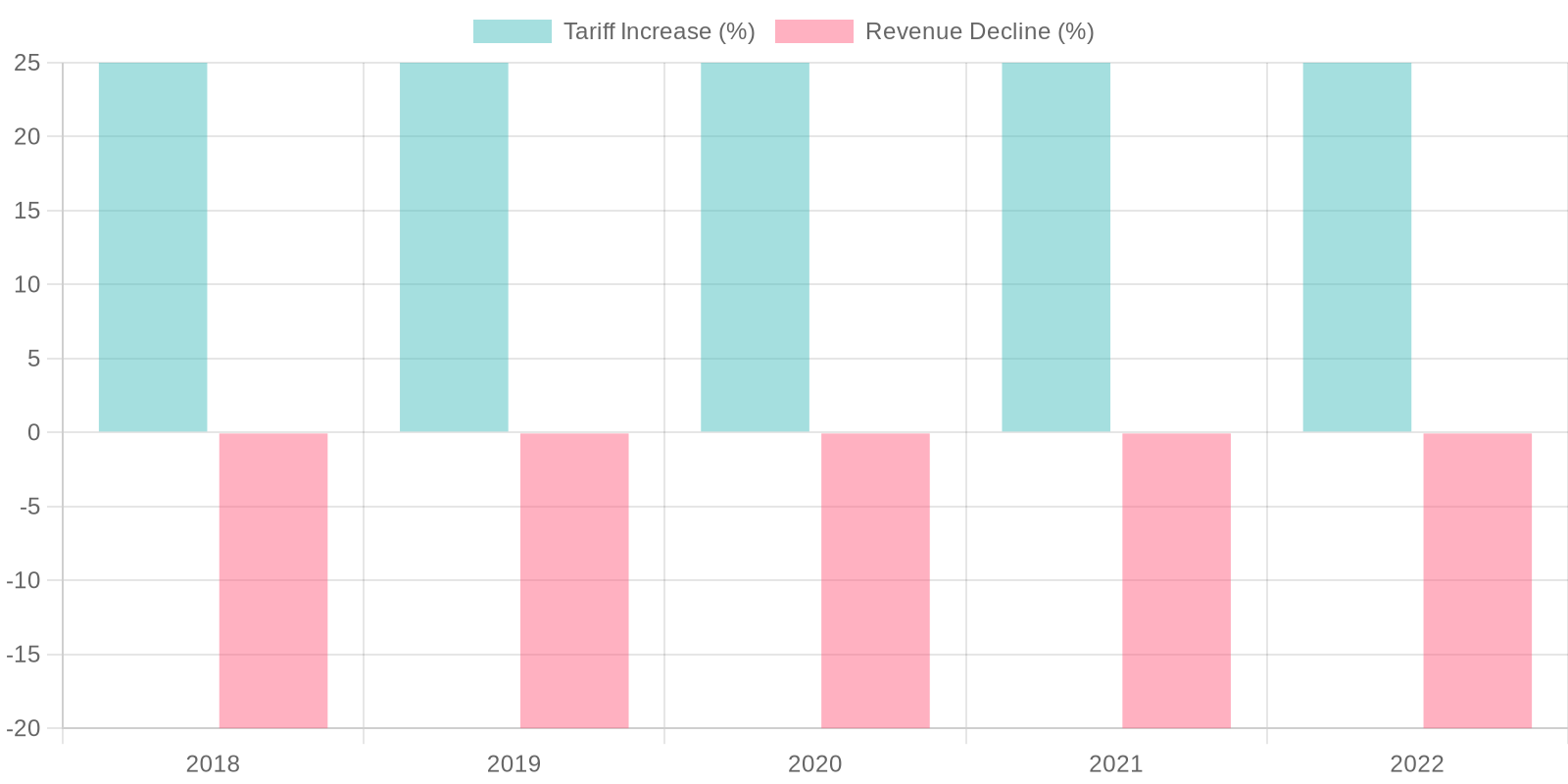
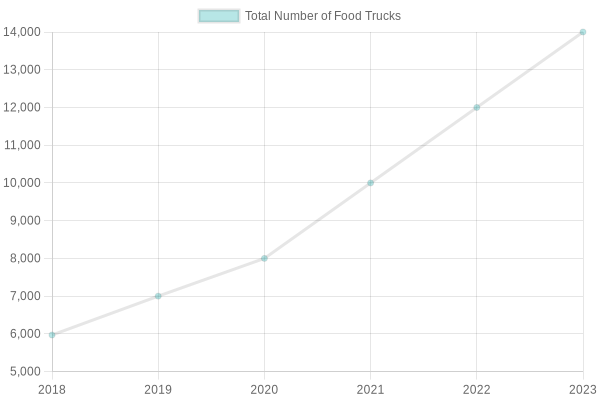
This graph visualizes the growth statistics of total food trucks in the U.S. from 2018 to 2023, indicating an overall increase in numbers that includes Latino food trucks.