
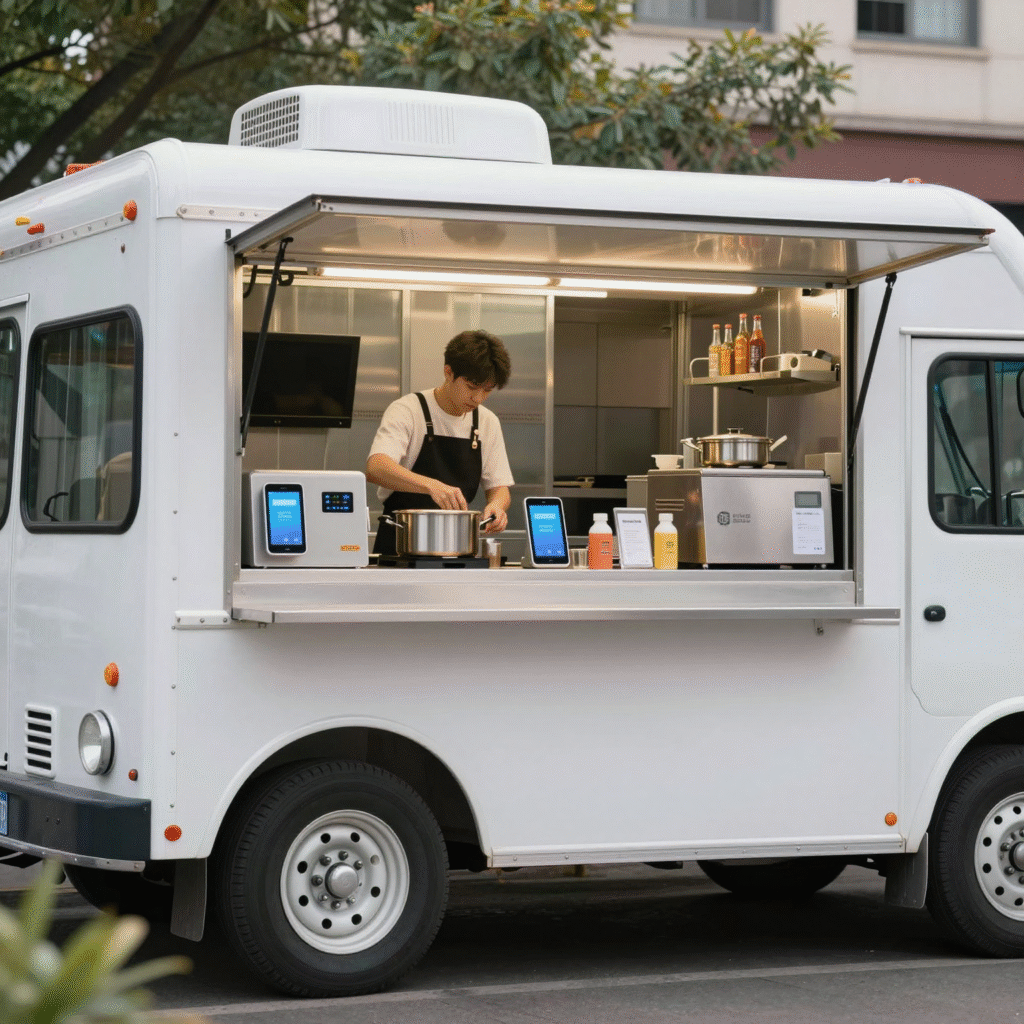
Introduction to Technology Trends in the Food Truck Industry
Have you ever wondered how food trucks have evolved from simple roadside vendors to culinary powerhouses equipped with cutting-edge technology? The food truck industry is undergoing a radical transformation, and emerging technology trends are at the heart of this revolution. As consumers increasingly demand quick, convenient dining options, food truck owners are turning to innovative solutions to enhance customer experience and streamline operations. Techniques such as mobile payment systems, social media marketing, and even advanced food preparation technology are reshaping how these mobile kitchens operate.
For hobbyists and professionals in car modification, this evolution offers a unique opportunity: to adapt classic and contemporary vehicles into high-tech mobile eateries. Imagine transforming a vintage vehicle into a smart food truck, equipped with GPS tracking and energy-efficient appliances. The possibilities are endless. Those involved in car tuning and restoration can leverage these trends, not just to improve performance but to create spaces that meet modern culinary demands.
As we delve into the specifics of these technology trends, let’s explore how they impact the food truck landscape and open new avenues for car enthusiasts and entrepreneurs alike. Learn more about food truck models that cater to diverse needs and tastes!
Key Technology Trends Transforming the Food Truck Industry
The food truck industry is a vibrant and dynamic sector that continuously evolves to meet consumer demands and leverage technological advancements. Here are three key trends shaping the industry today:
1. Mobile Payment Systems
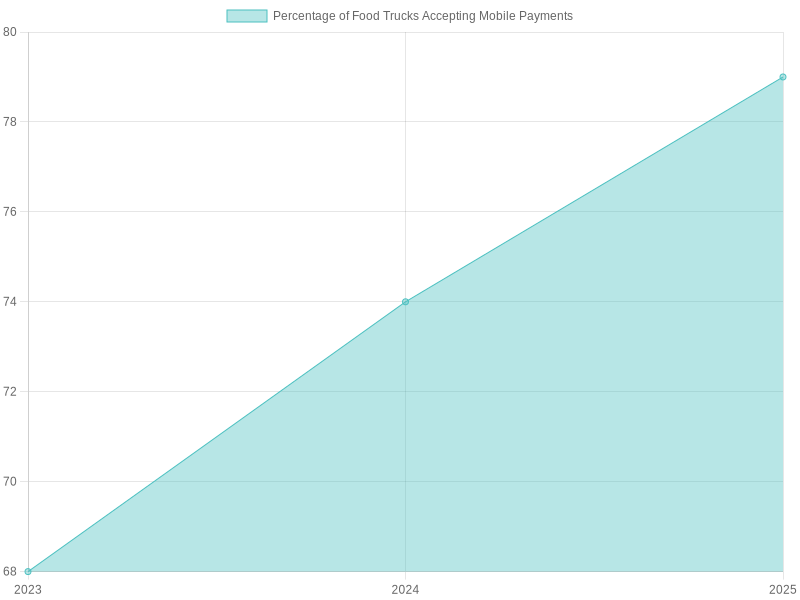
The rise of mobile payment systems has revolutionized transactions in the food truck scene. As reported by Forbes, approximately 68% of food trucks in the U.S. operated accepting mobile payments by 2023. This trend is projected to grow as more operators recognize the benefits of ease and speed source. Here’s a quick look at the mobile payment adoption over the next few years:
- Customer Convenience: Customers expect contactless and easy payment options, making it essential for food trucks to adopt this technology.
- Increased Revenue Tracking: Mobile payment systems allow owners to track sales in real-time and analyze data for better financial management. This analytics capability also leads to well-informed stock and inventory decisions, tailored to customer preferences.
2. Social Media Marketing
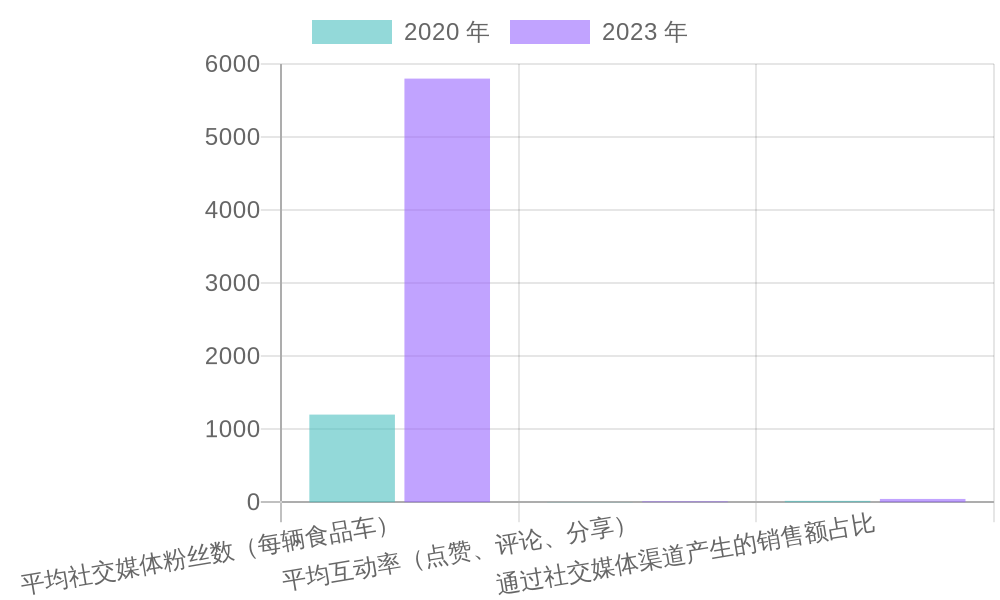
Social media has become a cornerstone of marketing strategies in the food truck sector. The average number of social media followers per food truck has increased from 1,200 in 2020 to about 5,800 in 2023, indicating a 383% growth source. This data supports the necessity for food trucks to develop a robust online presence:
- Engagement: Food trucks use platforms like Instagram and Twitter to showcase their specialties, engage with customers, and announce locations and events. This engagement is essential for building community ties and fostering customer loyalty.
- Targeted Marketing Campaigns: Utilizing analytics from social media engagement allows food truck owners to run more effective marketing campaigns, focusing on what resonates with their audience, thus driving sales and enhancing customer satisfaction.
3. Kitchen Technology Innovations
The integration of kitchen technology in food trucks is transforming operations. Recent innovations include:
- Portable Induction Cooktops: Energy-efficient and compact, these cooktops enhance food safety while minimizing fire hazards in confined spaces.
- IoT-Enabled Cooking Equipment: Remote monitoring capabilities allow for precise control over cooking temperatures, which directly impacts food quality and safety.
- Solar-Powered Refrigeration Units: These units not only improve energy efficiency but also reduce dependency on noisy generators, enabling food trucks to operate in a wider range of locations and enhance customer comfort.
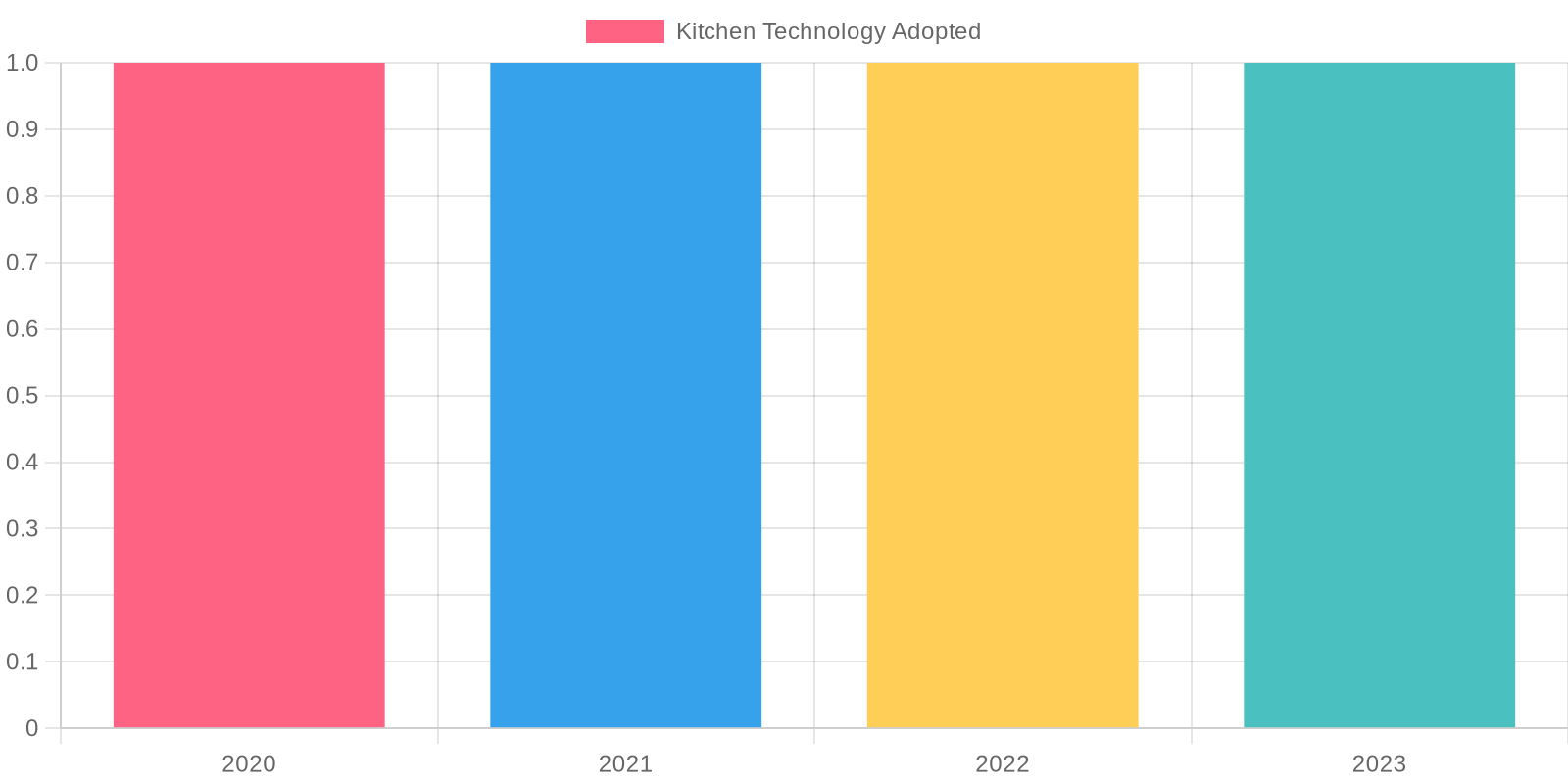
The advancements in kitchen technologies not only streamline food production operations but also appeal to eco-conscious consumers who favor sustainable practices. Food truck owners who harness these technologies can maintain a competitive edge, preserving food quality while reducing operational costs.
In conclusion, these technology trends are reshaping the food truck industry, improving customer experiences, increasing operational efficiency, and expanding marketing outreach. It’s crucial for entrepreneurs in the food truck space to embrace these changes to stay ahead in a crowd, ensuring that their offerings delight their customers and keep their businesses thriving. For more insights on the success of food trucks, check out Latino Food Trucks Success Stories.
Mobile Payment Systems Revolutionizing Food Trucks
In today’s fast-paced world, mobile payment systems have become an essential tool for food trucks, transforming their operations and customer interactions. These systems not only streamline transactions but also enhance the overall customer experience. By adopting mobile payments, food trucks have experienced significant improvements in speed and efficiency.
Enhancing Transactions with Speed and Efficiency
Mobile payments eliminate long queues and tedious cash-handling processes. With options like Square, PayPal Here, and TouchBistro, food truck owners can process transactions in mere seconds. This acceleration is crucial during peak hours, allowing vendors to serve more customers while reducing wait times.
According to recent statistics, 60% of food trucks now accept mobile payments, with 67% reporting revenue increases due to this technological shift. In fact, mobile payments have collectively driven an estimated increase of 20% in revenue for many food truck operators since implementation. The convenience of quickly paying from a smartphone encourages customers to try new vendors, thereby broadening the customer base for food trucks.
Popular Mobile Payment Systems and Their Benefits
- Square: This versatile payment system is one of the most widely used among food trucks due to its ease of setup and integrated sales tracking features. It allows food trucks to accept credit and debit cards seamlessly.
- Usage: 42% of food trucks use Square.
-
Apple Pay: With its extensive user base, it’s no surprise that 38% of food trucks accept Apple Pay. Customers appreciate the fast tap-to-pay feature, which enhances their dining experience and minimizes transactional friction.
-
Google Pay: At 35%, this payment system offers similarly effortless transactions, appealing to tech-savvy consumers who prefer digital wallets.
Conclusion
The advent of mobile payment systems has undeniably changed the landscape for food trucks, making transactions faster and more secure. This innovation not only improves operational efficiency but also enhances the customer experience, attracting more patrons and ultimately driving higher profits. For food truck entrepreneurs looking to stay competitive, adopting these systems is no longer an option-it’s a necessity. If you’re interested in the food truck landscape in more detail, check out the insights about major cities.
Comparison of Food Truck Technology Providers
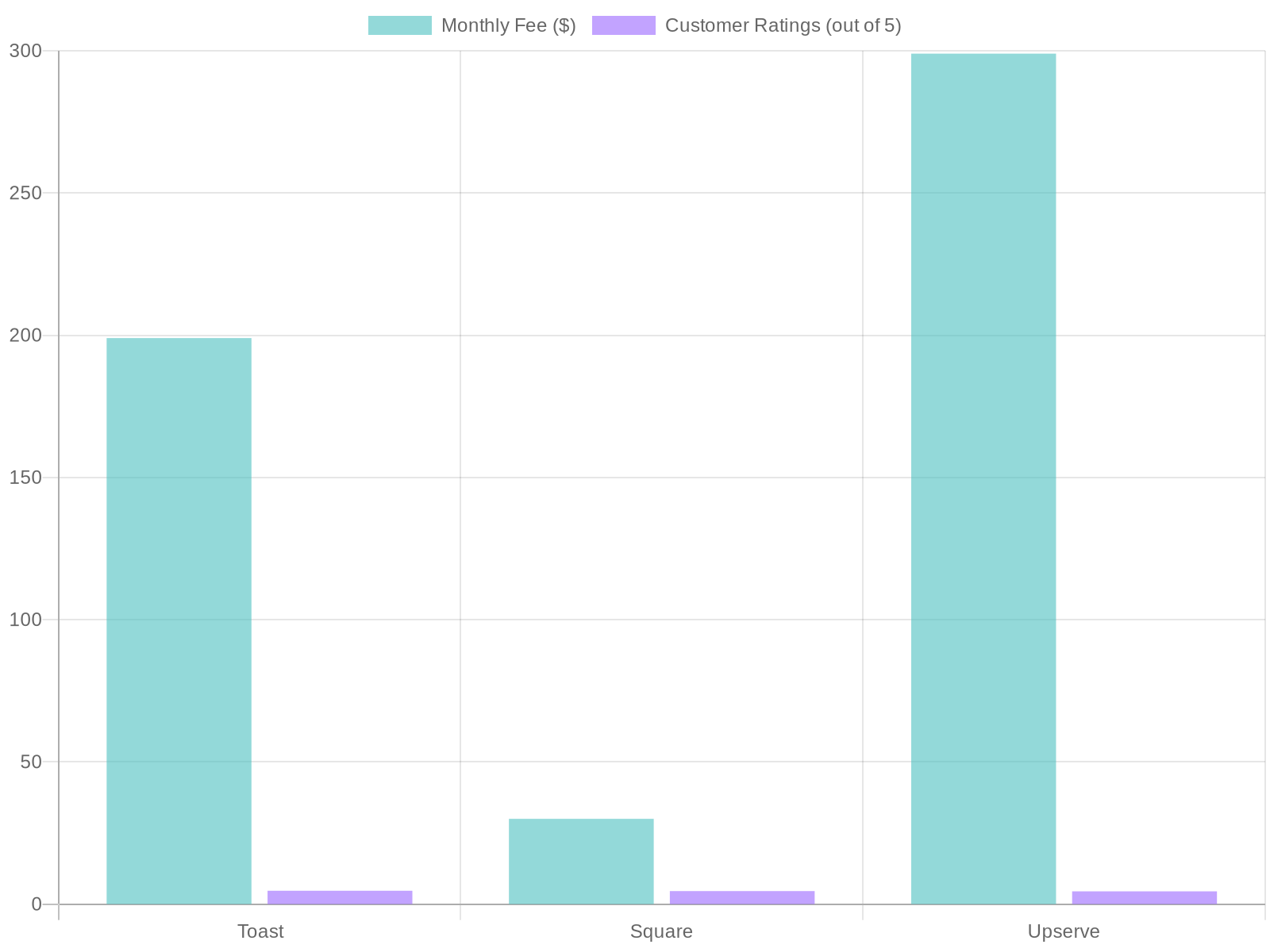
Here is a concise comparison table showcasing various technology providers essential for food truck operations, highlighting features, pricing, and customer ratings:
| Provider Name | Technology Type | Key Features | Pricing (Monthly Fee) | Customer Ratings |
|---|---|---|---|---|
| Toast | Payment Processor, Scheduling Software | Integrated POS system with real-time sales reporting, inventory management, employee scheduling, and online ordering integration. Supports mobile payments and digital receipts. | $99-$299 per month (based on features and number of locations) | 4.7/5 (Google Reviews) |
| Square | Payment Processor, GPS Service, Scheduling Software | All-in-one solution with contactless payments, cloud-based point-of-sale, GPS tracking for fleet management, automated scheduling, and customer analytics. Offers free hardware starter kit. | $0-$60 per month (varies by plan; includes payment processing fees) | 4.6/5 (Trustpilot) |
| Upserve | Payment Processor, Scheduling Software, Inventory Management | Cloud-based POS with labor cost tracking, automated payroll, menu management, and real-time sales analytics. Includes integrated scheduling and employee performance tools. | $199-$399 per month (depending on tier and features) | 4.5/5 (G2 Crowd) |
Sources:
- Toast Official Website – Pricing & Features
- Square for Restaurants – Features & Plans
- Upserve – Restaurant POS Solutions
This comparative analysis highlights the available technology solutions that can enhance operational efficiency and customer service in the food truck industry. With technology trends rapidly evolving, adopting the right tools is essential for success.
A visual representation of this comparison can further emphasize the differences:
For more insights on how technology integrates within the food truck industry, explore our articles on technology trends.
In today’s digital age, social media has emerged as a quintessential tool for food trucks seeking to connect with their audience and drive sales. Platforms like Instagram and Facebook offer food truck operators unique ways to showcase their delicious offerings, update their locations, and engage with followers, creating a loyal customer base.
Why Social Media?
-
Visual Appeal: Platforms like Instagram thrive on visually rich content, making them perfect for food trucks to showcase their vibrant meals. Stunning food photos can grab attention and evoke hunger, prompting potential customers to seek out a food truck’s location immediately.
-
Real-Time Updates: Using social media, food trucks can post live updates about their daily locations or special events. This immediacy helps customers find them quickly, especially in bustling urban settings where locations are constantly changing.
-
Community Engagement: Social media fosters direct interaction with customers. Likes, shares, comments, and direct messages provide feedback and create a sense of community. Engaged customers are more likely to become loyal patrons who frequently return.
Effective Strategies
1. Leverage Instagram Feeds
To maximize reach and engagement, food trucks should consistently post high-quality images of their menu items. Using popular hashtags related to food and location can enhance discoverability. Seasonal specials or limited-time offers additionally create urgency. A well-maintained Instagram feed acts not only as a digital menu but also as a branding tool that reflects the truck’s personality.
2. Create Facebook Events
Facebook is a powerful platform for gathering community interest. Food trucks can create events for special gatherings, like food festivals or pop-up events. Alerts and reminders sent via Facebook can significantly increase attendance. Encouraging attendees to invite friends expands the reach and visibility of the event, directly translating to increased sales.
3. Customer Engagement through Polls and Questions
Social media platforms provide interactive features like stories and polls. Food trucks can ask their followers about preferred items or new menu ideas, generating excitement while gathering valuable market research that helps tailor offerings to customer preferences.
4. Collaborate with Influencers
Engaging local food bloggers or influencers can expand a food truck’s reach exponentially. These collaborations not only tap into their follower base but also provide credibility and authenticity, as personal endorsements go a long way in attracting new customers.
By harnessing the power of social media marketing, food trucks can significantly increase their exposure and effectively connect with their audience. For more insights into how technology impacts the food truck industry, check out our article on food truck operating hours and parking guides.
Conclusion
As food trucks continue to navigate the competitive food market, leveraging social media is no longer optional but a necessity for success. Integrating visually appealing content with community engagement strategies ensures that food trucks remain relevant, visible, and profitable.
Successful Food Trucks and Their Technology Innovations
The food truck industry has seen a remarkable transformation due to the introduction of technology. By adopting innovative solutions, many food trucks have enhanced their operations and customer engagement. Here are three compelling case studies that exemplify this trend:
1. La Crêpe à la Carte
- Location: Paris, France
- Key Technology Implemented: Real-time order tracking via mobile app, digital menu boards, social media integration
- Strategy: La Crêpe à la Carte leveraged technology to streamline operations and enhance customer engagement through personalized ordering and live updates on truck location and availability.
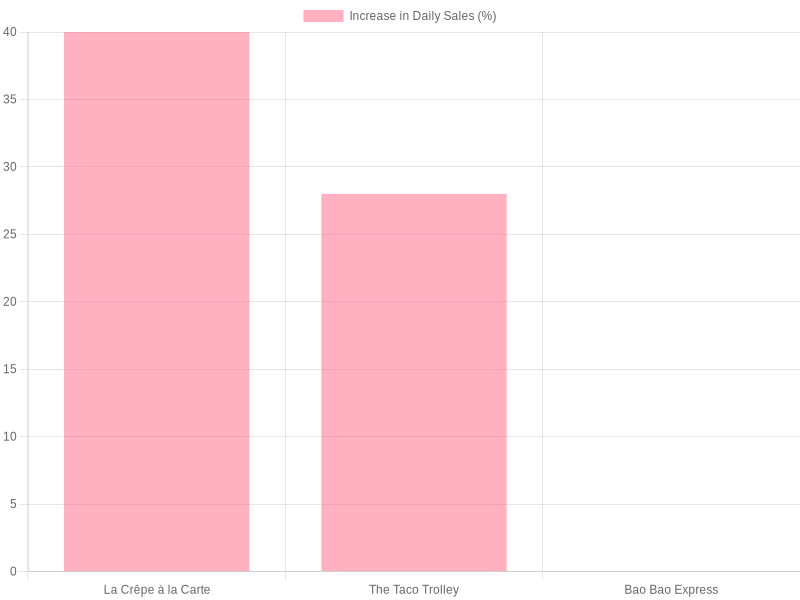
- Results: The food truck witnessed a 40% increase in daily sales and a 35% higher customer retention rate, earning recognition as a model for sustainable social business by the European Union’s Innovation Fund in 2023.
2. The Taco Trolley
- Location: Austin, Texas, USA
- Key Technology Implemented: Mobile app with loyalty rewards, cloud-based inventory management, AI-driven demand forecasting
- Strategy: This food truck utilized data analytics to predict peak demand times and optimize ingredient procurement while rewarding repeat customers through a points-based app system.
- Results: They significantly reduced food waste by 50%, increased average transaction value by 28%, and achieved 90% app adoption among regular customers within 12 months.
3. Bao Bao Express
- Location: Melbourne, Australia
- Key Technology Implemented: Contactless payment systems, QR code ordering, integrated CRM platform
- Strategy: Implemented a seamless digital-first experience with pre-ordering via QR codes, enabling faster service and better customer data collection for targeted marketing.
- Results: They experienced a 60% reduction in wait times and a 30% rise in weekend revenue, allowing them to expand to two additional trucks within 18 months due to high scalability and customer satisfaction.
Chart: Performance Metrics of Food Trucks
Summary
These case studies underscore the significant impact of technology on enhancing operational efficiency in the food truck sector, allowing operators to engage with their customers more effectively and achieve impressive growth metrics. For more inspiration and insights, check out our summary of Latino food truck success stories.
Moreover, food trucks like La Crêpe à la Carte, The Taco Trolley, and Bao Bao Express set an excellent precedent for blending culinary innovation with technological advancements.
User Testimonials
Maria Gonzalez, Owner of Tacos al Carbon
“Embracing technology has been a game changer for us! When we introduced our online ordering system, it was like flipping a switch. Customers can now order in advance, enabling us to serve them quickly without leaving anyone waiting in long lines. We saw a 40% increase in our sales during the lunch rush since we made this switch!”
Carlos Ramirez, Founder of Elote Express
“Using a mobile payment system has transformed our business operations. No longer are we limited to cash transactions – we’ve attracted a younger, tech-savvy crowd. Eventually, this led to a 30% rise in customers within just a few months. Plus, it’s so much easier to keep track of our inventory and sales data!”
Sofia and James Lee, Owners of Dumpling Delight
“The integration of social media marketing has connected us with our community like never before. Our followers get excited about our daily specials and locations, increasing our foot traffic significantly. We’ve gained over 1,000 followers in just three months, and our sales have tripled during events!”
Luca Benz, Proprietor of Gelato on Wheels
“I never thought that using an app to manage our food truck parking would change the game for us, but it totally did! No more circling around looking for spots. With just a few clicks, we can secure the best locations for our customers which has boosted our business tremendously. We now have loyal fans who follow us everywhere!”
Technology continues to reshape the food truck landscape, enhancing customer experience and boosting business efficiencies. Learn more about Latino food truck success stories and discover how tech is revolutionizing this unique dining experience!
Growth of Food Truck Businesses (2012-2022)
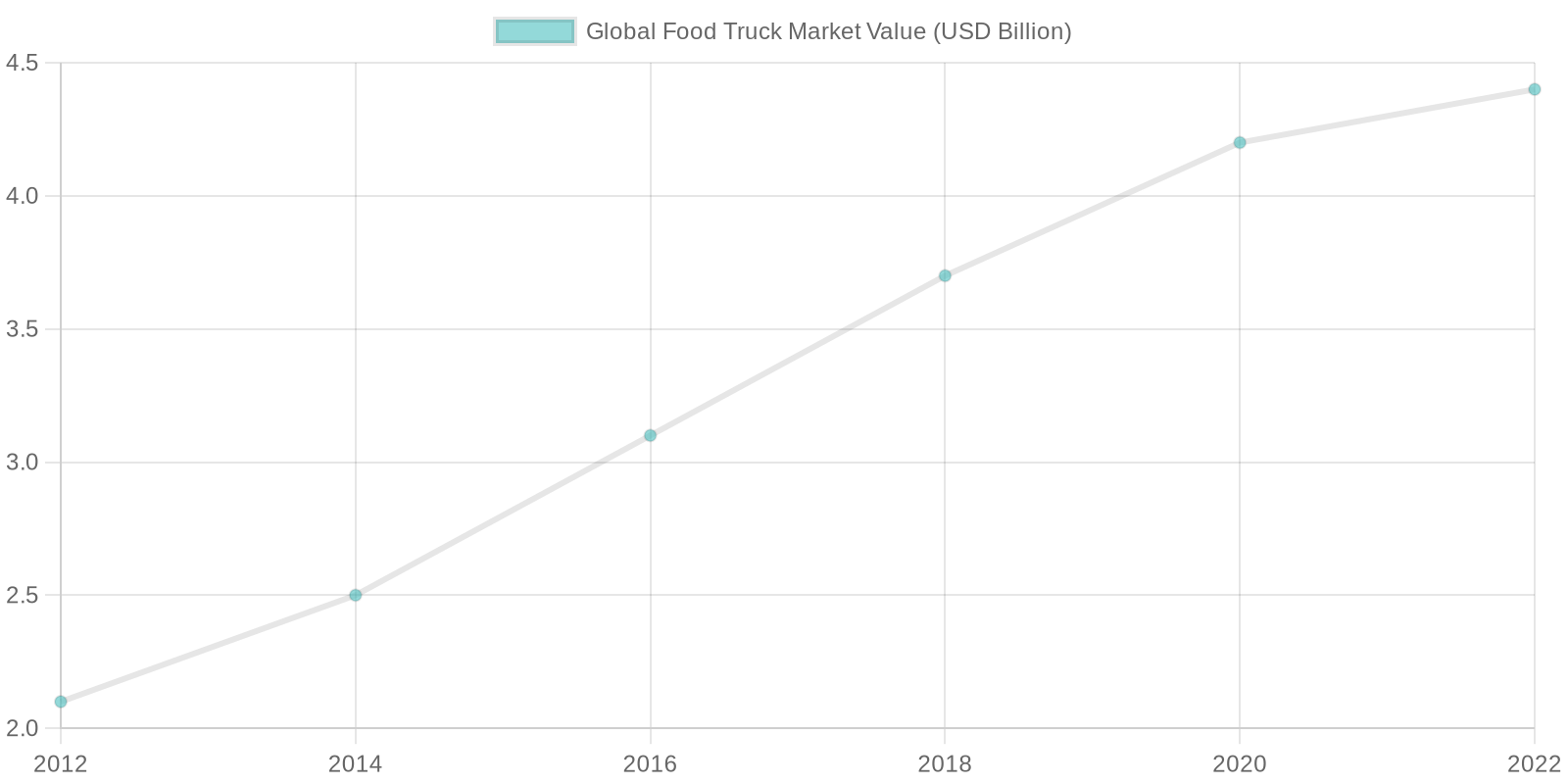
The food truck industry has undergone an impressive transformation in the last decade, largely fueled by advancements in technology and shifts in consumer behavior. From a revenue of approximately $2.1 billion in 2012 to an astounding $4.4 billion in 2022, the market has expanded significantly, demonstrating an average annual growth rate of about 5.5%. This growth can be tied to several key milestones and trends:
- 2012: The early adoption of mobile food concepts and the rise of food truck festivals in major cities like Los Angeles and New York.
- 2014: Increased investments in branded food trucks highlight the industry’s growth potential.
- 2016: Expansion beyond urban centers, with themed food trucks becoming more prevalent.
- 2018: Integration of digital ordering systems and mobile payment solutions.
- 2020: The pandemic accelerated the demand for contactless service and delivery-based food trucks.
- 2022: The advent of AI-driven tools for inventory management and enhanced operational efficiency.
Here is a chart illustrating this growth:
| Year | Global Food Truck Market Value (USD Billion) | Key Milestones & Trends |
|---|---|---|
| 2012 | ~2.1 | Early adoption of mobile food concepts; rise of food truck festivals in major U.S. cities. |
| 2014 | ~2.5 | Focus on growth potential and branded food trucks. |
| 2016 | ~3.1 | Expansion beyond urban areas; themed food trucks emerge. |
| 2018 | ~3.7 | Digital ordering and payments become mainstream. |
| 2020 | ~4.2 | Shift to contactless service due to pandemic. |
| 2022 | ~4.4 | AI tools for route optimization and inventory management grow in usage. |
Coupled with the increasing preference for flexible dining options, further technological advancements, and a focus on sustainability, the food truck industry is set to continue its upward trajectory. To explore more about food truck operations, learn more about food truck regulations and compliance that influence success.
Conclusion: Embracing the Future of Food Trucks
As we reflect on the insights gleaned from the evolving food truck industry, it’s clear that technology is not just reshaping how these mobile kitchens operate; it is transforming the entire culinary experience for consumers. In 2024 and beyond, we can expect to see an increasing integration of mobile payment systems, AI-driven ordering platforms, and delivery innovations like drones, all contributing to a more seamless interaction between food trucks and their customers. This tech-savvy approach will enhance efficiency, allowing food truck operators to streamline their services, cater to a broader audience, and ultimately thrive amidst competition.
For hobbyist car modifiers and professional car tuners alike, the implications of these trends are profound. As food trucks become more sophisticated, the vehicles themselves may need transformation to align with these advancements. For example, incorporating advanced electrical systems to support mobile ordering tech or enhancing insulation for food preservation could become essential modifications. Vehicle aesthetics will also likely evolve to match the modern demand for high-tech interfaces and appealing design. With platforms like FoodTruckr highlighting the future of food trucks and their tech adaptations, modifiers can tap into these technologies to inspire their own projects.
Moreover, tech trends such as sustainability initiatives are beginning to capture the interest of food truck entrepreneurs, urging them towards eco-friendly practices. Custom modifications could not only focus on performance enhancements but also on how vehicles can be transformed to run cleaner, supporting a sustainable food service model.
The tools and technologies that shape the future of food trucks are equally relevant to the passions of car enthusiasts everywhere. As these trends evolve, let’s stay keenly aware of how they can be applied to our own vehicles-merging innovation with craft in ways that are both exhilarating and environmentally responsible. The future of food trucks and, by extension, the car modification industry, promises to be a thrilling journey driven by technology and creativity.
Transforming Your Food Truck with Technology
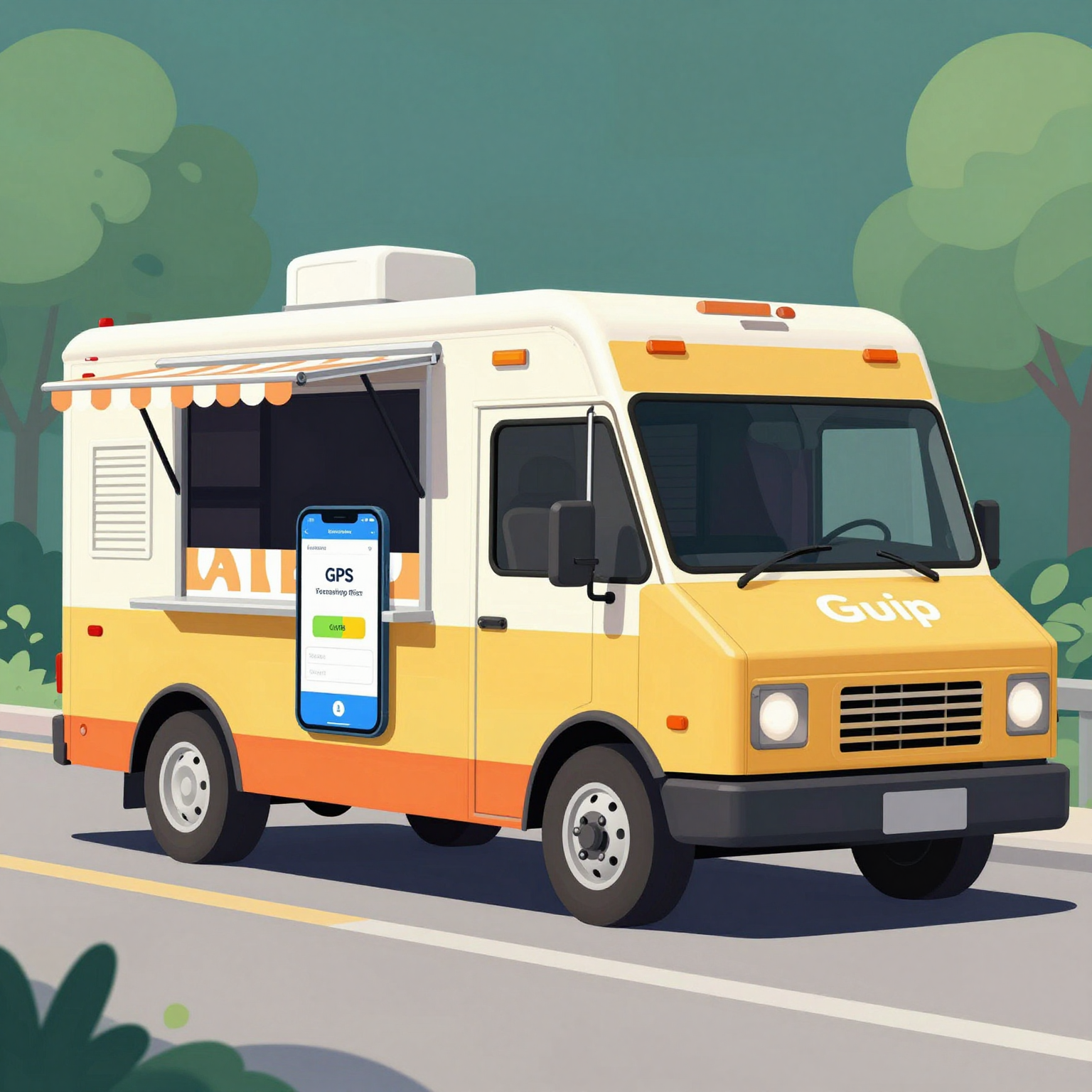
As technology continues to revolutionize various industries, the food truck sector is one of the prime beneficiaries. Innovations such as mobile ordering and GPS tracking significantly enhance operational efficiency and customer satisfaction. Similarly, the ways we customize vehicles have been transformed by technology. Technologies like 3D printing and advanced manufacturing have opened doors to customized solutions, particularly in customizing fairings for vehicles. This not only makes vehicles aesthetically unique but also tailors them to reflect personal style and brand identity.
For hobbyists and professionals alike, the customization process is now more accessible and affordable than ever. Rather than relying on traditional manufacturing methods, you can now design customized fairings using CAD software, creating a personalized touch to your food truck.
Ready to Elevate Your Food Truck?
If you’re looking to stay ahead of the game in the food truck industry, exploring premium custom-fit fairings is essential. At Summit Fairings, we offer a range of custom solutions that will perfectly suit your vehicle, enhance its performance, and showcase your unique style. Don’t let your competitors outshine you-embrace innovation and elevate your food truck today!
For more insights on how to navigate the complexities of this thriving industry, check out how technology is revolutionizing the food truck business and the impact of technology on the mobile food industry.