
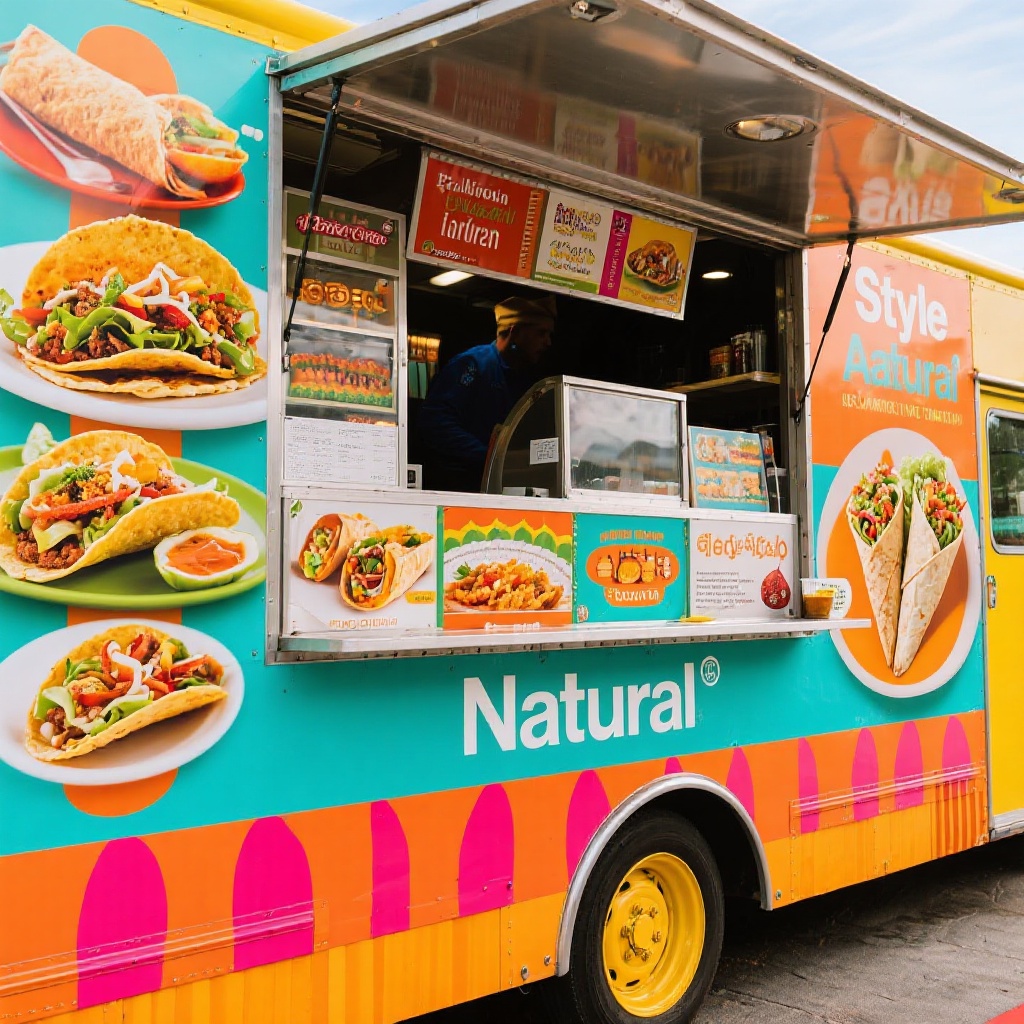
Food trucks have emerged as a vibrant and dynamic element within Latino culinary culture, showcasing the rich tapestry of flavors and traditions that define this community. As contemporary dining trends continue to evolve, food trucks serve not only as mobile kitchens but also as cultural ambassadors, introducing diverse culinary expressions to a broader audience.
The rise of these culinary vehicles reflects a fusion of traditional recipes with innovative twists, attracting food enthusiasts and fostering community connections. Amidst the growing popularity, Latino food trucks have adapted to incorporate healthier options, fusion foods, and sustainable practices, resonating with changing consumer preferences.
This evolution highlights the crucial role food trucks play in the gastronomic landscape, providing a platform for Latino chefs to share their heritage while also contributing to local economies. By supporting these small businesses, communities can celebrate cultural diversity and empower entrepreneurs committed to preserving their culinary roots.
The intersection of food trucks and Latino cuisine presents an exciting opportunity to explore ongoing trends and their influential impact on the cultural fabric of our society.
Emerging Food Trends in Latino Culinary Culture
Latino culinary culture is experiencing various emerging trends, particularly in the realm of food trucks. Here are the top five trends that are shaping this vibrant sector:
1. Fusion Dishes
One of the most exciting trends is the rise of fusion dishes that blend traditional Latino flavors with diverse culinary influences. Popular examples include Korean-Mexican tacos, which combine the spice of Korean barbecue with classic Mexican tortilla, and Indian-Mexican wraps that offer an enticing mix of spices and flavors. These innovative combinations not only highlight culinary creativity but also allow vendors to attract a wider audience and stand out in the competitive food truck market.
2. Health-Conscious Options
Healthier choices are becoming a priority for many food truck owners as consumer preferences shift towards nutritious eating. Approximately 40% of food trucks now feature plant-based proteins and organic ingredients. This trend includes offerings such as vegan tacos, gluten-free options, and dishes rich in superfoods that cater to a health-minded clientele.
3. Regional Specialties
Food trucks are embracing local and regional specialties, showcasing traditional dishes in their authentic forms while giving them modern twists. Examples include birria tacos, which have gained immense popularity, and a variety of arepas with innovative fillings. These regional offerings not only celebrate Latino culinary traditions but also tap into the food movement that favors local sourcing and seasonal ingredients.
4. Digital Ordering and Delivery Innovations
As technology continues to influence the food industry, many food trucks are adapting by implementing digital ordering systems. This innovation streamlines the ordering process and enhances customer experience, allowing for better service efficiency and the ability to reach a broader customer base, including those who prefer ordering online or via mobile apps.
5. Cultural Storytelling Through Food
Food trucks are increasingly becoming platforms for cultural storytelling, where vendors highlight the history and significance of the dishes they serve. This trend allows customers to connect more deeply with the food they consume, appreciating not just the flavors but also the stories behind them. Dynamic marketing strategies including engaging social media campaigns often accompany this trend, enhancing the overall experience.
These emerging trends in Latino culinary culture reflect a vibrant and evolving food truck scene that honors tradition while embracing innovation. They showcase the rich diversity of flavors and cultures that contribute to this unique gastronomic landscape.
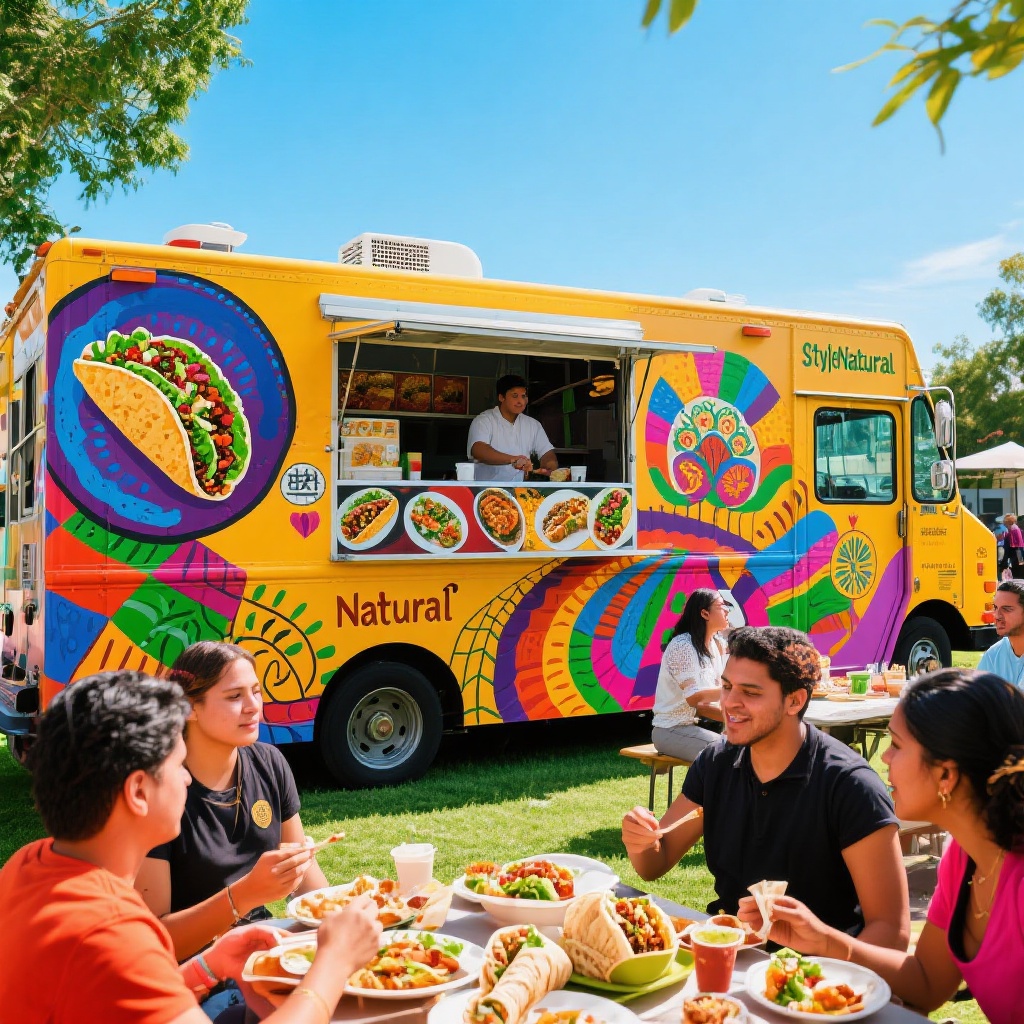
| Food Truck Model | Price Range | Key Features | Suitable Uses |
|---|---|---|---|
| Ford Transit | $46,000 – $60,000 | Spacious cargo area, customizable, and fuel-efficient. | Ideal for mobile cafes and small kitchens. |
| RAM ProMaster | $44,000 – $56,000 | High roof allows for easy standing, versatile layout options. | Great for food trucks launching specialty menus. |
| Diamond Cargo Trailers | $6,000 – $15,000 | Lightweight, affordable, and highly customizable for various uses. | Perfect for entry-level food truck options. |
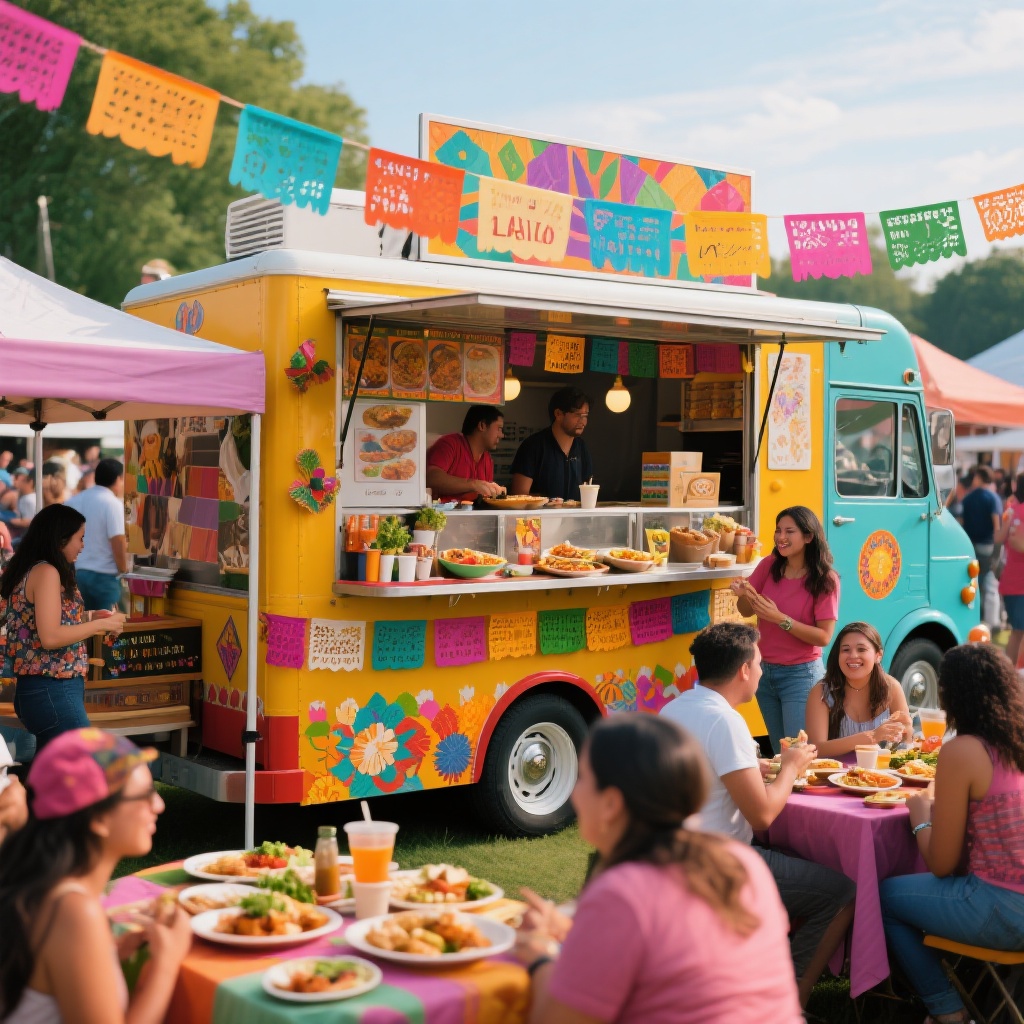
User Reviews Summary of Popular Food Truck Brands and Models
- Ford Transit: Highly regarded by food truck operators for its spacious interior, facilitating customization.
- Pros: Roomy workspace, functional design.
- Cons: Some electrical reliability issues and higher maintenance costs for diesel variants.
- RAM ProMaster: Receives positive feedback for its roomy design and layout options.
- Pros: User-friendly setup, flexible for specialty menus.
- Cons: Similar electrical reliability concerns as the Transit.
- Freightliner MT45: Favored for its durability and high cargo capacity.
- Pros: Robust build suitable for heavy loads.
- Cons: Challenges with parts availability and higher operating costs.
Overall, food truck owners report that while each model has its concerns, their functional advantages and adaptability make them worthwhile choices for launching successful food truck businesses.
Economic Impact of Food Trucks on Local Economies
- Job Creation: Each food truck generates an average of 4.3 jobs.
- Latino Ownership: Represents nearly 40% of all mobile food businesses in major cities.
- Revenue Generation: Each Latino-owned truck contributes up to $290,000 in annual revenue.
- Community Development: Food trucks have created 33,900 direct jobs and 45,000 indirect jobs nationwide.
- Increased Property Values: Areas featuring Latino trucks can see a property value increase of 8-12% over three years.
By supporting these food trucks, consumers invest in cultural diversity and community engagement!
Conclusion
- Explore the vibrant intersection of food trucks and Latino culinary culture.
- Discover the rise of fusion dishes and health-conscious options.
- Understand the significant role of Latino food trucks in shaping community connections.
Invest in a food truck business rooted in Latino heritage to foster cultural connections and a vibrant culinary landscape.
Cultural Preservation in Food Trucks
Food trucks are becoming crucial players in the preservation of Latino culinary traditions, even as they adapt to contemporary tastes. Many food truck vendors honor their heritage by incorporating traditional recipes while also reshaping them to cater to current gastronomic trends.
In cities across the U.S., food truck operators like La Casa de Las Enchiladas have mastered this balance. While they serve classic enchiladas using age-old family recipes, they also offer modern twists, such as grilled vegetable and quinoa enchiladas, appealing to diverse dietary preferences. This blend showcases the versatility of traditional dishes, proving that they can evolve without losing their essence.
Another example is Taco Fusion, a food truck that incorporates its Mexican roots by serving authentic street tacos alongside innovative options like duck tacos with Asian slaw. This unique fusion highlights how Latino chefs can seamlessly interweave different culinary influences while retaining the core flavors of their heritage. Such adaptations not only attract a wider audience but also spark interest in Latino culinary culture among those unfamiliar with it.
Moreover, food trucks play a pivotal role in cultural storytelling. Vendors often share the histories behind their recipes, fostering a deeper understanding of Latino traditions within their communities. This connection is further enhanced through social media platforms, where the storytelling aspect is celebrated and shared, allowing a broader audience to appreciate the significance of these dishes.
As food trucks continue to thrive, they not only offer delicious food but also serve as cultural ambassadors, preserving and sharing Latino culinary traditions while adapting to modern preferences. This dynamic exchange enriches the culinary landscape, ensuring that these cherished flavors and stories remain alive for future generations.
By supporting these food trucks, consumers aid in preserving their culinary heritage, fostering appreciation for the complexities and depth of Latino food, and keeping these traditions relevant in an ever-changing world.
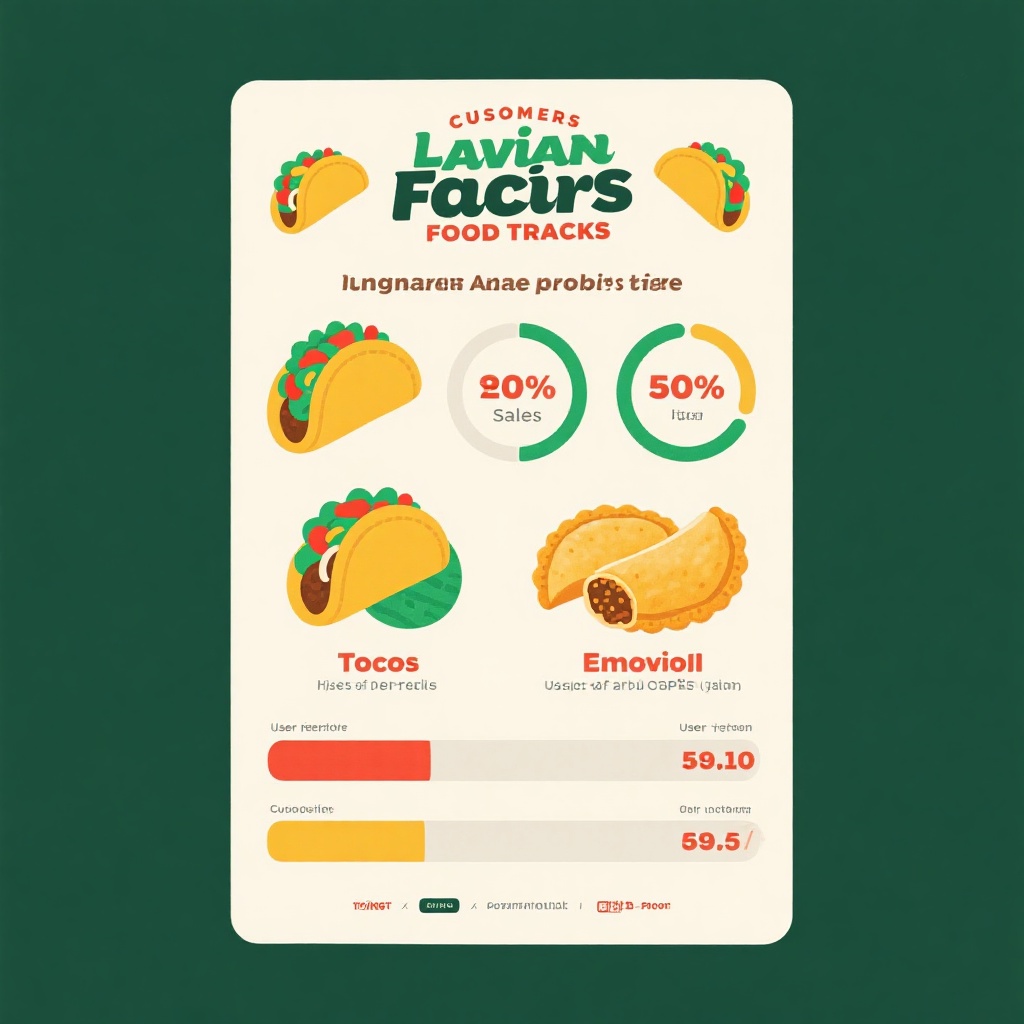
Latino-owned food trucks have significantly grown over the last five years, reflecting a vibrant and dynamic sector within the culinary landscape. Here are the key statistics supporting this growth:
- Increase in Numbers: According to the Pew Research Center, there has been a 40% increase in Latino-owned food trucks since 2018. This growth is particularly strong in cities like Los Angeles, Houston, and Miami, where Latino food trucks now account for nearly 30% of all mobile food vendors.
- Revenue Growth: An industry report from IBISWorld indicates that the revenue for Latino food trucks has grown by 35% over the past five years, surpassing the overall food truck industry average of 22%. This suggests an increasing appeal among consumers, especially millennials and Gen Z, influenced by the active presence of these trucks on social media.
- Job Creation: The Stanford Latino Entrepreneurship Initiative reported that around 15,000 new jobs have been created within the sector since 2018. Additionally, the average annual revenue for established food trucks owned by Latinos increased from $150,000 in 2018 to $210,000 in 2023, marking a notable growth of 40%.
- Market Share: The Mobile Food Vendor Association’s census reflects that Latino food trucks have grown from 18% of the overall food truck market in 2018 to 27% in 2023. Customer ratings for these trucks average 4.5 stars across review platforms, indicating high popularity and satisfaction among consumers.
- Post-Pandemic Performance: A study on the post-pandemic recovery highlighted that Latino food trucks were among the first to rebound, achieving revenues in 2022 that exceeded pre-pandemic levels by 25-30%. This resilience underscores the ability of these businesses to adapt and thrive under changing circumstances.
These statistics illustrate a thriving segment that not only contributes to economic growth but also plays a crucial role in cultural exchange and community engagement.
Conclusion
In exploring the vibrant intersection of food trucks and Latino culinary culture, we uncover not only the delicious flavors but also the rich traditions and stories that these mobile kitchens convey. From the rise of fusion dishes that creatively blend diverse culinary influences to the surge in health-conscious options and the celebration of regional specialties, Latino food trucks are at the forefront of culinary innovation. Vendors are embracing technology through digital ordering and utilizing their platforms for cultural storytelling, adding layers of depth to customer experiences.
The impressive growth of Latino-owned food trucks signifies a promising future for aspiring vendors wishing to contribute to this dynamic sector. With the market expanding and traditional culinary practices adapting to modern tastes, there has never been a better time to join this exciting movement. By investing in a food truck business rooted in Latino culinary heritage, you are not only pursuing a thriving entrepreneurial opportunity but also celebrating your cultural roots and fostering community connections through food.
As you embark on this journey, remember that your food truck can be more than just a business; it can be a vessel for preserving and promoting the rich tapestry of Latino cuisine. Embrace the challenge, innovate with authenticity, and let your culinary creations speak volumes about the incredible culture that inspires them.
Economic Impact of Food Trucks on Local Economies
Food trucks have emerged as a powerful force in local economies, uniquely positioned to create jobs and support small Latino businesses. A comprehensive report by the International City/County Management Association highlights that each food truck generates an average of 4.3 jobs, illustrating the significant role these mobile kitchens play in employment generation. In bustling urban environments where job creation is essential, food trucks serve as incubators for immigrant and minority entrepreneurs, particularly Latino business owners who often face barriers in traditional restaurant ownership. Case studies from cities like Austin, Portland, and Los Angeles reveal that each truck can account for an economic impact ranging from $1.2 million to $2.8 million annually, factoring in various multiplier effects on the local economy.
Latino-owned food trucks represent nearly 40% of all mobile food businesses in major metropolitan areas, according to research from the Stanford Latino Entrepreneurship Initiative. Each Latino-owned truck creates an average of 3.8 jobs, with 72% of employees drawn from the local community. The resilience of these businesses is significant, as Latino food truck owners reported 23% higher revenue growth than their non-Latino counterparts in 2021, showcasing their ability to adapt and thrive in challenging economic conditions.
The U.S. Small Business Administration indicates that food trucks require 50-80% less startup capital compared to brick-and-mortar restaurants, making them particularly accessible to Latino entrepreneurs. In fact, 68% of food truck owners are first-time business owners, with Latino entrepreneurs comprising 35% of new food truck businesses. These trucks not only facilitate economic opportunity for individuals but also contribute an average of $290,000 in annual revenue per vehicle, thereby bolstering local tax bases.
The economic impact of food trucks also spans indirect job creation and community development. Research indicates that food trucks have generated 33,900 direct jobs nationwide, and about 45,000 indirect jobs, amplifying their effect on local economies. In cities like Miami and Houston, clusters of Latino food trucks have boosted foot traffic in underutilized areas by 40%, spearheading commercial district revitalization.
Notably, food trucks significantly enhance property values in their localities. Studies show that markets featuring Latino vendors can increase surrounding property values by 8-12% over three years. Furthermore, 78% of Latino food truck owners reinvest their profits into local communities, an encouraging trend compared to 62% of traditional restaurant owners.
The data outlines a vibrant synergy between food trucks and the local economy, wherein Latino food trucks not only enrich the culinary landscape but also provide essential economic opportunities, reinvigorate communities, and empower minority entrepreneurs. Supporting these enterprises constitutes meaningful investment in both cultural diversity and economic vitality.
| Fusion Dish | Description | Image |
|---|---|---|
| Korean-Mexican Tacos | A delicious blend of spicy Korean barbecue in a traditional tortilla. | 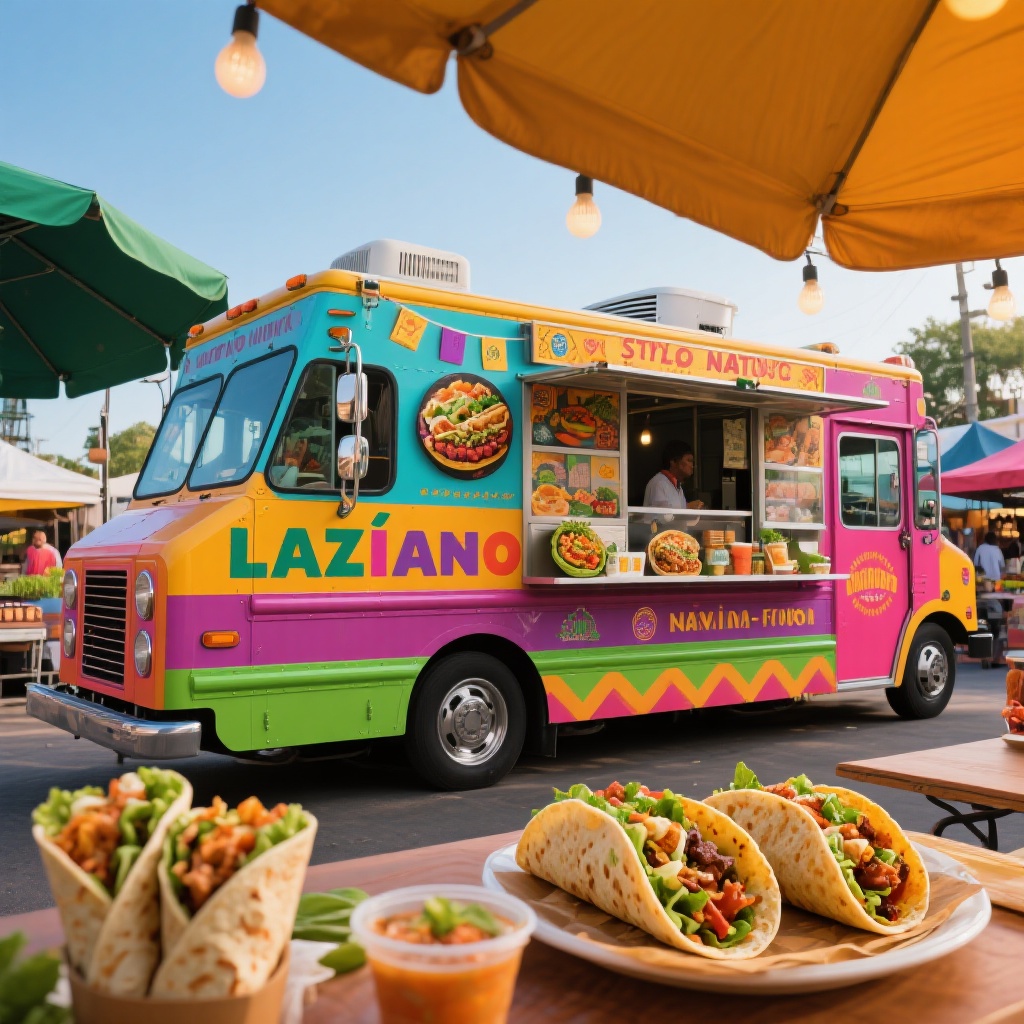 |
| Indian-Mexican Wraps | A unique wrap that combines fragrant Indian spices with Mexican flavors. | |
| Sushi Burritos | A fusion of sushi and burrito, packed with fresh ingredients. | 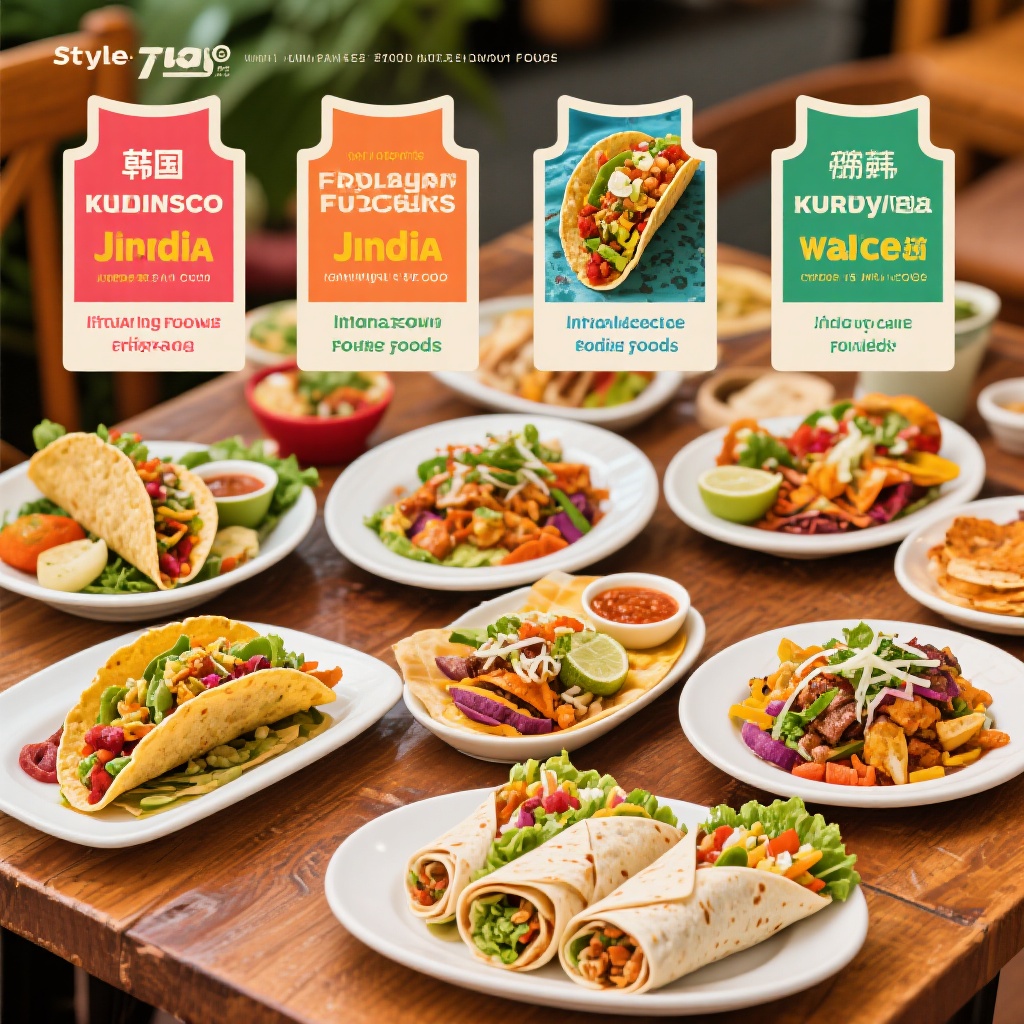 |
| Mediterranean Tacos | Tacos filled with Mediterranean-inspired ingredients like tzatziki and falafel. | |
| Thai Quesadillas | Combining the taste of Thai curries with cheesy quesadillas. | |
Discover the Vibrant Trends in Latino Culinary Culture Through Food Trucks
Dive deeper into the exciting evolution of Latino culinary culture and the role of food trucks in shaping it. Explore insightful resources to enhance your understanding and appreciation of these trends:
- Food Trucks Are Expanding the Reach of Latin American Cuisine – Eater: This article discusses how food trucks have opened doors for Latino chefs to share their regional dishes with wider audiences, moving beyond traditional offerings.
- How Latino Food Trucks Are Reshaping American Street Food Culture – Civil Eats: This piece highlights the innovation within Latino food trucks, showcasing how they blend traditional recipes with local ingredients.
- 2023 Food Truck Industry Report: Latino Representation and Economic Impact – IBISWorld: A comprehensive report on the growing presence of Latino-owned food trucks and their contributions to local economies.
- From Streets to Stability: How Food Trucks Empower Latino Immigrant Chefs – NPR: An exploration of how food trucks serve as a stepping stone for many Latino immigrant chefs, preserving their culinary traditions while fostering cultural exchange.
By engaging with these resources, you can gain a richer perspective on how food trucks are revolutionizing Latino culinary culture, infusing it with innovation and sustainability!
Introduction to Latino Food Truck Culture
Food trucks have emerged as a vibrant and dynamic element within Latino food culture, showcasing the rich tapestry of flavors and traditions that define this community. As contemporary dining trends continue to evolve, food trucks serve not only as mobile kitchens but also as cultural ambassadors, introducing diverse culinary expressions to a broader audience. The rise of these culinary vehicles reflects a fusion of traditional recipes with innovative twists, attracting food enthusiasts and fostering community connections. Amidst the growing popularity, Latino food trucks have adapted to incorporate healthier options, fusion foods, and sustainable practices, resonating with changing consumer preferences. This evolution highlights the crucial role food trucks play in the gastronomic landscape, providing a platform for Latino chefs to share their heritage while also contributing to local economies. By supporting these small businesses, communities can celebrate cultural diversity and empower entrepreneurs committed to preserving their culinary roots. The intersection of food trucks and Latino cuisine presents an exciting opportunity to explore ongoing trends and their influential impact on the cultural fabric of our society.
Emerging Food Truck Trends in Latino Culinary Culture
Latino culinary culture is experiencing various emerging trends, particularly in the realm of food trucks. Here are the top five trends that are shaping this vibrant sector:
1. Fusion Dishes in Latino Food Truck Culture
One of the most exciting trends is the rise of fusion dishes that blend traditional Latino flavors with diverse culinary influences. Popular examples include Korean-Mexican tacos, which combine the spice of Korean barbecue with classic Mexican tortilla, and Indian-Mexican wraps that offer an enticing mix of spices and flavors. These innovative combinations not only highlight culinary creativity but also allow vendors to attract a wider audience and stand out in the competitive food truck market.
2. Health-Conscious Options in Food Truck Offerings
Healthier choices are becoming a priority for many food truck owners as consumer preferences shift towards nutritious eating. Approximately 40% of food trucks now feature plant-based proteins and organic ingredients. This trend includes offerings such as vegan tacos, gluten-free options, and dishes rich in superfoods that cater to a health-minded clientele.
3. Regional Specialties in Latino Food Trucks
Food trucks are embracing local and regional specialties, showcasing traditional dishes in their authentic forms while giving them modern twists. Examples include birria tacos, which have gained immense popularity, and a variety of arepas with innovative fillings. These regional offerings not only celebrate Latino culinary traditions but also tap into the food movement that favors local sourcing and seasonal ingredients.
4. Digital Ordering and Delivery Innovations in Food Trucks
As technology continues to influence the food industry, many food trucks are adapting by implementing digital ordering systems. This innovation streamlines the ordering process and enhances customer experience, allowing for better service efficiency and the ability to reach a broader customer base, including those who prefer ordering online or via mobile apps.
5. Cultural Storytelling Through Food in Food Trucks
Food trucks are increasingly becoming platforms for cultural storytelling, where vendors highlight the history and significance of the dishes they serve. This trend allows customers to connect more deeply with the food they consume, appreciating not just the flavors but also the stories behind them. Dynamic marketing strategies including engaging social media campaigns often accompany this trend, enhancing the overall experience.
These emerging trends in Latino culinary culture reflect a vibrant and evolving food truck scene that honors tradition while embracing innovation. They showcase the rich diversity of flavors and cultures that contribute to this unique gastronomic landscape.
Maria Martinez, a food truck owner, shares, “For many of us, the food truck was the only way to get our family recipes to the public without the huge costs of a brick-and-mortar restaurant. It’s allowed Latino cuisine to move beyond the taqueria and show the incredible diversity of our cultures.”
Source: Eater
Dr. Alejandro Garcia, culinary expert, emphasizes the cultural significance of these trucks, stating, “Food trucks have democratized gourmet dining. They’ve introduced American eaters to regional Mexican dishes like birria, Oaxacan mole, and Salvadoran pupusas that they might never have encountered otherwise. This isn’t just about food; it’s about cultural representation and accessibility.”
Source: NPR
Carlos Mendez, food truck entrepreneur, notes, “Our truck isn’t just a business—it’s a gathering place for the community. We see generations coming together, sharing stories over our abuela’s recipes. Food trucks have become mobile ambassadors of Latino culture, breaking down barriers one plate at a time.”
Source: Forbes
Chef Sofia Ramirez highlights the innovation fostered by the food truck model when she says, “The flexibility of a food truck lets us experiment in ways a traditional restaurant can’t. We can fuse flavors—like putting Korean twists on tacos or adding Filipino influences to Peruvian ceviche. This innovation is redefining what ‘Latino food’ means in America today.”
Source: Bon Appétit
Chef Roy Choi, a pioneer of the food truck movement, remarked, “Food trucks broke down the barriers of fine dining. They made gourmet food accessible to everyone, not just those who could afford a white-tablecloth experience.”
Source: Eater