
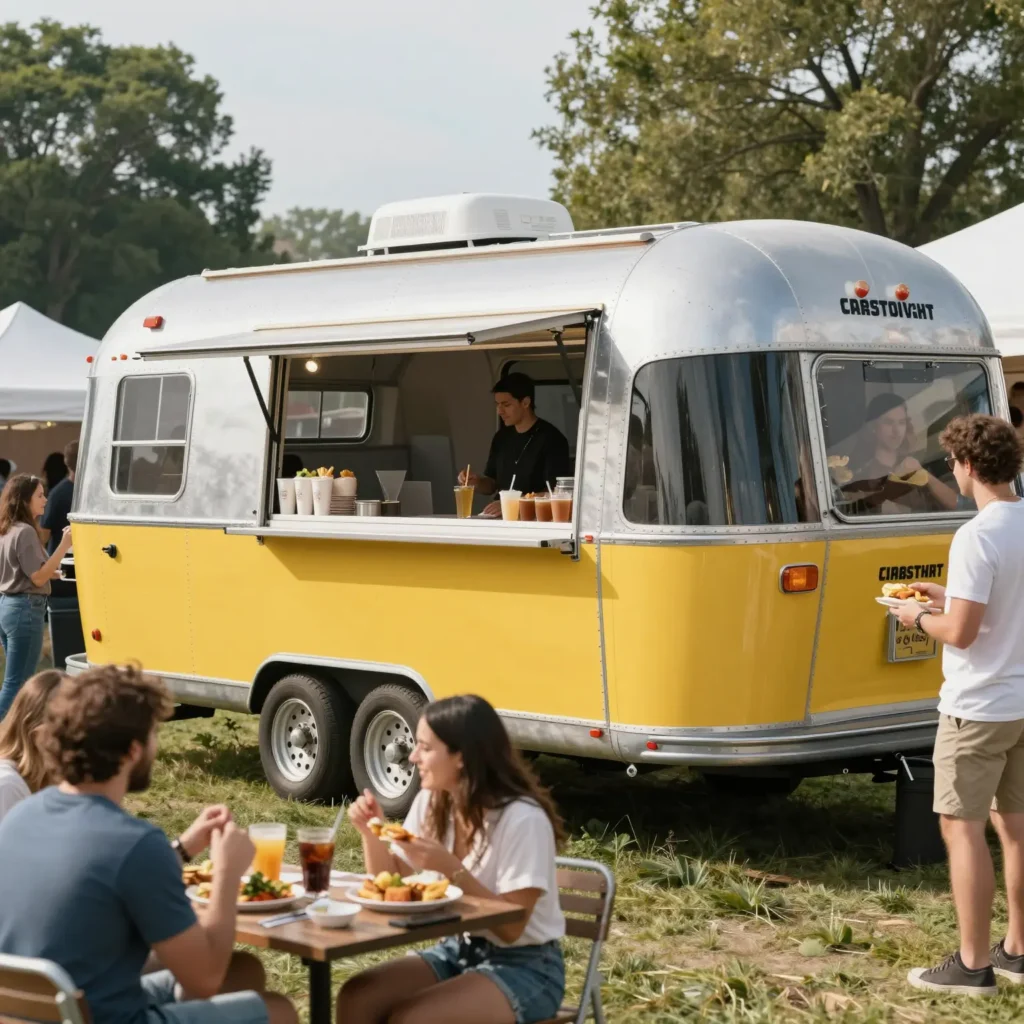
Embracing the Journey: Turning an Airstream into a Food Truck
In a world where culinary diversity reigns supreme, the mobile food scene has witnessed an incredible surge in popularity. Food trucks now symbolize creativity, convenience, and the thrill of dining on-the-go. Among the various options available, one standout vehicle has captured the hearts of car modifiers and food truck enthusiasts alike: the iconic Airstream. Known for their sleek, aluminum exteriors and retro charm, Airstreams offer more than just aesthetic appeal-they provide a unique canvas for culinary entrepreneurs to express their brand and serve delicious food in vibrant settings.
So, why should you consider turning an Airstream into a food truck? For starters, these trailers are designed for durability and mobility, making them ideal companions for traveling food vendors. Furthermore, the nostalgic allure of an Airstream can draw customers in, offering not just a meal but an experience. As more people seek unique dining adventures, embracing the conversion of an Airstream into a food truck can set your business apart in an increasingly competitive market.
Whether you are a hobbyist car modifier or a professional car tuner, the journey of transforming an Airstream is both a captivating project and a lucrative opportunity. Let’s dive into the exciting process of turning this classic travel trailer into a vibrant food truck that captures not just flavors, but the very essence of culinary exploration. Explore the top Latino food trucks in major cities and get inspired by flavors that travel far and wide!
Planning Your Project: Converting an Airstream into a Food Truck
Converting an Airstream into a food truck can be an exciting venture, but it requires careful planning and consideration. Here are essential steps and considerations to guide you through the process:
1. Research and Conceptualization
- Identify Your Food Type: Consider what type of cuisine you want to serve. This will influence your menu, design, and equipment needs.
- Target Market: Research your target audience and the best locations for your food truck operations.
2. Budgeting
Creating a comprehensive budget is vital. Here are components to include:
- Purchase Cost: Estimate the price for the Airstream itself. Check various listings to find a fair price for the model and condition you want.
- Renovation Costs: Consider costs for kitchen equipment, interior design, and modifications to comply with food safety regulations.
- Operational Expenses: Include costs for ingredients, labor, insurance, permits, marketing, and upkeep of the vehicle.
3. Design Considerations
The design is crucial for both functionality and customer experience:
- Interior Layout: Plan the workflow of your kitchen, including where cooking appliances, storage, and service areas will be located.
- Customer Engagement: Create an inviting service area that encourages customers to order. Consider outdoor seating options if feasible.
- Branding: The aesthetic should reflect your brand; think about colors, signage, and decor.
4. Permits and Licenses
Navigating the legal requirements is essential. Common permits you’ll typically need include:
- Business License: Required for legally operating a business at your location.
- Food Service License: This is essential to ensure the safety and hygiene of the food you’re selling.
- Health Department Permit: Necessary for compliance with health regulations regarding food handling.
- Fire Department Permit: Required if using gas or specific cooking methods that pose fire risks.
- Mobile Vendor Permit: Depending on your city, this may be necessary for operating in public spaces.
- Sales Tax Permit: If you are selling food, you’ll need to collect sales tax.
5. Implementation
Once planning is complete:
- Hire Professionals: Consider enlisting a contractor specializing in food truck conversions to help realize your design.
- Test Your Menu: Before launching, conduct tastings to fine-tune your recipes and menu options.
- Marketing: Start marketing efforts to create buzz about your truck before you officially open for business.
Planning your Airstream food truck conversion thoroughly will make a significant difference. By leveraging your passion for a unique dining experience, coupled with strategic planning, you can create a successful food truck operation. To learn about legal considerations for Latino food truck startups, check the link!
Estimated Costs for Converting an Airstream into a Food Truck
Here is a table summarizing typical materials required, their descriptions, and average cost estimates:
| Item | Description | Cost Estimate |
|---|---|---|
| Exterior Repairs | Bodywork, paint, and sealing to protect against weather | $1,500 – $5,000 |
| Kitchen Equipment | Stove, fridge, grill, and deep fryer | $3,000 – $15,000 |
| Plumbing Fixtures | Sinks, piping, tanks for water supply and drainage | $800 – $3,000 |
| Electrical System | Wiring, outlets, and appliances like lights | $1,000 – $5,000 |
| Insulation | Materials to keep temperature stable | $500 – $2,000 |
| Interior Design | Flooring, walls, and custom cabinetry | $1,000 – $7,000 |
| Compliance Packages | Safety features, fire extinguishers, and permits | $500 – $3,000 |
Total Estimated Cost Range
Based on the items listed, the total cost for converting an Airstream into a food truck can vary significantly, generally ranging from approximately $8,800 to $40,000 or more depending on customizations and equipment quality.
If you’re interested in learning more about what it takes to run a food truck, you can explore topics like legal considerations for Latino food truck startups or food truck operating hours and parking guidelines.
This cost estimation guide can provide a foundational understanding for anyone looking to undertake such a project. The actual costs will depend on specific material choices, labor, and local regulations. It’s always advised to consult with professionals for accurate quotes tailored to your project needs.
Transforming an Airstream into a food truck is a rewarding challenge that demands both creativity and technical know-how. The intent is to design a functional, efficient, and inviting space that not only serves delicious food but also attracts customers.
Kitchen Equipment
When it comes to equipping your Airstream kitchen, the right equipment is crucial for efficiency and effectiveness. First and foremost, a commercial-grade oven is essential. Whether you’re baking, roasting, or reheating ingredients, a robust oven handles the demands of a high-traffic kitchen.
Next up is a griddle, perfect for cooking up classic breakfast items or savory meals. Consider a fryer as well; it can be your best friend for creating crispy sides and main dishes. Along with cooking devices, invest in a refrigerator for perishable goods and a freezer for items you need on hand, which helps in keeping stock fresh and safe.
Lastly, don’t overlook small appliances like blenders for smoothies or sauces, food processors for quick chopping, and microwaves for added convenience. Organizing these tools efficiently allows for smooth workflow amid the mobile environment.
Storage Solutions
Effective storage is key to maximizing the limited space of an Airstream. Start by assessing your inventory; you’ll need cabinetry that can accommodate pots, pans, and utensils without cluttering the space. Under-counter cabinets and shelves use vertical space wisely, and opting for cabinets with sliding doors ensures easy access while keeping the look sleek.
Magnetic strips can be a clever and stylish way to store knives and other metal utensils, freeing up drawer space and adding a touch of modernity. Hooks and racks mounted to the walls can transport herbs, towels, and even cookbooks within reach, ensuring that everything you need is close at hand while cooking up a storm.
Seating Arrangements
The atmosphere inside your Airstream should echo the culinary experience outside. While many food trucks tend to focus on take-out, creating a cozy dining atmosphere can set yours apart. If space allows, a compact folding table or small bar with stools can invite customers to enjoy their meals on-site, enhancing their overall experience.
Furniture choice is also vital; think about using benches with hidden storage to optimize space. This setup provides not just seating but also a place for customers to rest their bags or belongings as they savor their dishes.
Conclusion
In summary, the interior of your Airstream food truck requires thoughtful modifications to functionality and aesthetics. By choosing the right kitchen equipment, clever storage solutions, and inviting seating arrangements, you can create a space that not only meets your culinary needs but also offers customers an inviting place to indulge in your creations. For further insights on food truck design, visit Latino Food Trucks to explore various models and ideas that can elevate your food truck journey.
With careful planning and creativity, your mobile kitchen will not only serve mouthwatering dishes but also be a cherished destination for food lovers.
Exterior Design and Branding
In the vibrant world of food trucks, exterior design and branding are not just about aesthetics; they are the first impression you’ll make on potential customers. Imagine your food truck, transformed from a bland Airstream into a gastronomic spectacle, where every color and design element echoes your culinary passion. Let’s delve into the critical aspects of exterior design that vividly reflect your brand identity.
Choosing Paint Colors
Paint colors are your truck’s initial calling card. Opt for bright and inviting colors that grab attention and evoke appetites. Research suggests that colors like red, yellow, and turquoise resonate well within the food industry, associating with energy and flavor. For example:
- Red stimulates hunger and evokes excitement-perfect for a taco truck promising zesty flavors.
- Yellow signifies happiness and draws people in with warmth, ideal for a dessert truck serving sweet treats.
- Turquoise can invoke feelings of tranquility, working wonders for a seafood truck, suggesting freshness and vitality.
When selecting colors, consider a palette that complements the food you serve. A well-chosen color scheme can unify your branding, ensuring customers easily identify your offering. To implement this, paint swatches on your truck and gather community feedback. This interaction not only engages potential customers but also builds anticipation around your launch.
Crafting Signage Options
Once you’ve decided on your colors, signage becomes a vital component of your truck’s visual identity. Your signage should be clear, eye-catching, and easily readable from a distance. Consider using a mix of bold fonts and engaging graphics that encapsulate your brand’s essence. Bright, illuminated signs can attract night-time customers, while simple bunting can create a festive feel during daytime events.
- Digital Menus: In recent years, many food trucks have embraced digital screens. This adaptability allows you to change the menu frequently and display mouthwatering images that entice customers.
- Thematic Illustrations: Complement your logo with illustrations that tell a story about your offerings. For a gourmet burger truck, you might portray the journey of your ingredients from farm to table.
Overall Aesthetics
Your food truck’s overall aesthetics should reflect the unique theme of your cuisine. Are you channeling retro vibes, modern minimalism, or rustic charm? Ensure that every design element- from the artwork to the layout-reinforces your brand’s identity. Unique murals or personalized decals can turn your truck into a mobile gallery, effectively showcasing your culinary story. Think of your truck as a canvas reflecting your passion every inch of the way.
Conclusion
In conclusion, the exterior design of your food truck is much more than just looks; it serves as an unwavering ambassador of your brand. Investing time in color selection, signage, and overall aesthetics not only enhances appeal but also connects you with your audience. If you’re eager to dive deeper into the strategies of successful food trucks, check out our insights on top Latino food trucks in major cities or explore innovative customer service strategies in the food truck sector. Let your exterior design be a bold chapter in the vibrant story of your food truck journey!
Tips for DIY Enthusiasts: Converting an Airstream into a Food Truck
Embarking on the journey to convert an Airstream into a food truck is an exhilarating and rewarding project, especially for DIY enthusiasts. This undertaking requires careful planning, resourcefulness, and a burning passion for culinary creativity. Here are some practical tips to guide you through this exciting modification process:
1. Sourcing Parts
- Research Local Suppliers: Explore automotive parts stores where you can find both new and used components. Websites like Car and Driver can be useful for automotive parts and modification insights.
- Consider Online Marketplaces: Platforms like eBay or Amazon often have specialized sections for vehicle modifications. You can find rare parts or unique accessories that can enhance your food truck.
- Join DIY Communities: Engage with online forums or social media groups focused on food trucks or Airstream renovations. Members often share tips on where to find parts and trade components they no longer need.
2. Essential Tools Needed
- Basic Hand Tools: Invest in a quality set of wrenches, screwdrivers, and pliers.
- Power Tools: A power drill, jigsaw, and impact wrench will make your modifications easier and faster. For advanced jobs, consider a table saw or grinder.
- Diagnostic Tools: Having a multimeter handy can help troubleshoot electrical issues during the modification process. DIY Auto Repair Guide lists these as crucial for any modification project.
3. Time Investment
- Planning Phase: Invest time in planning your design and layout. This phase can take anywhere from a few days to several weeks, depending on complexity and local regulations.
- Conversion Process: The actual modification can take anywhere from 4 to 12 weeks. This timeframe varies based on the extent of modifications like the installation of cooking equipment, plumbing, electrical work, and any cooking areas you plan to configure.
- Permits and Licensing: Be prepared for an additional time investment in obtaining necessary permits and licenses, which can vary greatly depending on where you plan to operate your food truck.
4. Building the Right Environment
- Insulation and Ventilation: Ensure your Airstream is well-insulated and has proper ventilation. This will not only control the temperature inside but also ensure your cooking environment is safe.
- Lighting: Consider LED lighting for efficiency and ambiance. Make sure your working space is well-lit to prepare food without setbacks.
5. Test Everything
- Prepping for Service: Once your food truck is put together, conduct a trial run. Set up a test service with friends or family to test out the equipment and get feedback on the service flow and setup.
Your passion and diligence will be your greatest allies throughout the conversion process. By following these tips, you can turn your vision into reality, creating a unique and functional food truck that stands out in the culinary scene. For more insights on making it successful in the food truck business, learn more about food truck operation considerations.
With that in mind, don’t hesitate to dive deep into the resources available and connect with fellow enthusiasts; there’s a vibrant community out there just waiting to share their knowledge!
In conclusion, transforming an Airstream into a food truck is not just a creative endeavor; it is an opportunity to dive into a vibrant world of culinary entrepreneurship. From the joy of customizing a retro vehicle to connecting with customers through delicious food, the journey of converting your Airstream is filled with excitement and satisfaction. You learned about essential modifications, including maximizing kitchen space, adhering to health and safety regulations, and infusing personal creativity into your design. Whether you’re a hobbyist or a professional modifier, this project offers a unique canvas to showcase your culinary skills and passion for food. Don’t let hesitation hold you back-embrace the adventure of turning your Airstream into a mobile kitchen! If you’re considering additional modifications to your food truck or other vehicles, visit summitfairings.com for custom motorcycle fairings that will ensure your creations stand out on the road. Now is the time to start your food truck journey and create unforgettable experiences for your customers!
I wasn’t able to find a specific quote directly from a successful food truck owner regarding their Airstream transformation. However, based on commonly acknowledged experiences within the food truck community, I can craft a supportive message inspired by insights shared by food truck entrepreneurs.
Here’s an encouraging blockquote that embodies the spirit of transformation and entrepreneurship in the food truck industry:
“Transforming an Airstream into a food truck isn’t just about the metal and wheels; it’s about crafting a vision into reality and serving love on a plate. The challenges are numerous, but the flavor of freedom and creativity is always worth it.” – Unknown Food Truck Owner
This quote aims to inspire your readers and highlights the essence of taking on such a project. If you’d like me to add anything else or adjust the content further, please let me know!