
The world of food trucks is not just about mobility and convenience; it’s also about complex culinary logistics. Food trucks must ensure that every ingredient they serve, from fresh produce to dairy products, is stored with precision and care. This article presents an in-depth exploration of storage solutions employed by food trucks that ensures food safety and quality. Each chapter delves into critical aspects—starting from specialized storage units designed for temperature control to the significance of food safety, types of equipment used, how storage impacts the variety and quality of menus, and the importance of compliance with health regulations. Together, these elements illuminate the vital role that effective food storage plays in the ever-evolving mobile kitchen landscape.
Preserving Freshness on the Move: The Hidden World of Onboard Temperature Control in Food Trucks
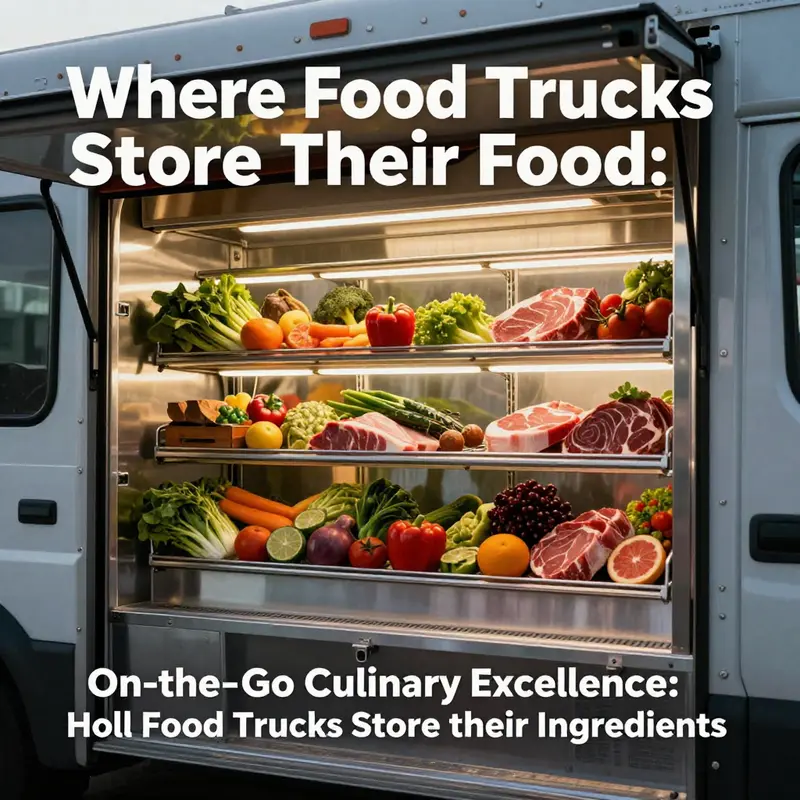
Every order that passes through a food truck hides a careful orchestration of temperature, space, and timing. Diners see the sizzle, the steam, the aroma that travels along the curb, but they rarely glimpse the climate-controlled chambers that keep ingredients safe from the moment they are loaded to the moment they are plated. The chapter that follows situates the question “where do food trucks store their food” not as a curiosity about cabinets and coolers, but as a key pillar of food safety, quality, and the ability to serve consistent meals in a mobile kitchen. The storage solution is not an afterthought; it is the backbone that supports every order, every recipe, and every improvisation that a truck must navigate when a line forms and time tightens around service.
Deep freezers and refrigerated compartments form the backbone of a mobile pantry. Deep freezers lock in a sub-zero quiet that keeps frozen ingredients stable for days, weeks, or even longer, depending on the item. They are essential for proteins that travel well when kept solid, for seafood that benefits from a strict freeze to preserve texture, and for pre‑prepared components that can be thawed and finished with a precise touch of heat. Frozen dumplings, traditional sauces, and imported or specialty ingredients—items that would suffer degradation if left unfrozen—often rely on these units. Deep freezing is not only about longevity; it is about consistency. A truck that can source great ingredients and maintain their integrity through a busy service hour after hour reduces the risk of inconsistent texture or flavor when the order finally lands at the window.
Refrigerated compartments, or “coolers,” sit at the heart of daily prep. They maintain temperatures between 0 and 5°C (32–41°F), a range designed to slow bacterial growth while preserving the brightness of produce, the integrity of dairy, and the freshness of ready-to-cook items. These compartments are integrated or nested within insulated vessels so that the aisle between the truck’s kitchen and its storage feels seamless. In practice, the line between cold hold and cold prep can blur: operators might stage fresh greens next to marinated proteins but separate them with sealed containers and careful labeling to avoid cross-contact. The result is a work rhythm that allows cooks to assemble meals quickly without sacrificing quality or safety. For produce, humidity control helps keep leaves crisp; for dairy, stable temperatures prevent spoilage and flavor drift. The design challenge is space: every cubic inch must serve a purpose, and every shelf must be reachable from the service window in a way that doesn’t interrupt the flow of cooking.
Beyond the primary storage boxes, modern trucks deploy a wider set of tools to sustain the cold chain during travel and at events. Insulated walls reduce heat gain when the truck is on the road, while high‑efficiency compressors push cool air through the compartments with reliability. Backup power—via generators or battery packs—offers a safety net, ensuring that a rushed lunch rush or a late-night catering job doesn’t end in a dip in temperatures or a surge in waste. In more advanced setups, smart monitoring systems track internal temperatures in real time and can send alerts if a door is left ajar, if a condenser overheats, or if the ambient conditions threaten the stored contents. These systems are a quiet but essential ally to the operator, providing a safety margin that complements the discipline of meal prep and inventory management. The practical benefit is clear: fewer spoilage incidents, lower waste, and the ability to serve a consistent product across multiple events or days, even when schedules are unpredictable.
The importance of temperature control extends well beyond the kitchen. When trucks move between venues or cater events off-site, transport and delivery demand additional layers of protection. Temperature-controlled shipping boxes and insulated containers keep food safe during short-distance transfers, helping crews decouple the pressure of a high-demand service from the fragility of perishable ingredients. This is especially valuable for catering services and multi-event days, where a single misstep can cascade into service delays or quality issues. In such contexts, the storage strategy is a logistics strategy—one that aligns with forecasting, prep plans, and the contingency plans that keep a mobile kitchen resilient in the face of weather, traffic, and time constraints.
The architecture of onboard storage is as much about organization as it is about temperature. The interior layout is designed to maximize space while minimizing the risk of cross-contamination. Clear labeling, color-coded containers, and dedicated zones for raw meats, seafood, dairy, produce, and cooked items help workflow run smoothly under pressure. This spatial logic influences how operators plan menus, schedule prep tasks, and decide what can be prepped in advance versus what must be cooked to order. It also informs waste management. If a kitchen on wheels can predict how much produce will be used in a given window and maintain strict temperature control, it can reduce the frequency of spoilage and the likelihood that items will be discarded at the end of service. These practices are not merely technicalities; they shape the reliability of a truck’s brand and the trust customers place in it.
The regulatory frame surrounding mobile food storage anchors these technical and organizational decisions in safety. Industry standards emphasize time-temperature control and proper storage configurations to deter bacterial growth and extend shelf life. For operators, this means more than simply owning a fridge or a freezer; it means maintaining logs, performing regular checks, training staff to handle raw and ready-to-eat items correctly, and ensuring that all equipment remains in good working order. When a truck operates in a bustling urban market or a long festival circuit, the pressure to perform safely and consistently increases. The storage system becomes part of the service promise: it supports a dependable dining experience, even when the pace is relentless and the environment is less predictable than a stationary kitchen.
All of these considerations—equipment choice, insulation, power reliability, monitoring technology, transport containers, hygiene practices, and regulatory compliance—come together to determine the kinds of dishes a truck can deliver and how quickly they can be prepared. A truck with robust cold storage can hold ingredients longer and pull from a richer pantry. It can offer made‑from‑scratch recipes or assembled meals with confidence that flavors won’t drift or textures won’t suffer during transit or service. It can also support seasonal variations, allowing operators to stock fresh produce at peak quality while preserving meat, seafood, and specialty ingredients for later use. In short, the way food is stored on board is inseparable from the quality of the final plate, the speed of service, and the sustainability of the operation itself.
For readers curious about real-world workflows and the decision-making conversations that shape these storage choices, consider a closer look at how veteran operators frame their day-to-day logistics. A deeper dive into these conversations can be found in blog-2, which explores how seasoned street‑food teams think about the intersection of cuisine, space, and mobility. It helps illuminate how some of the most reliable trucks balance the art of cooking with the science of cold storage, ensuring that a curbside crowd always gets fresh, flavorful meals.
Ultimately, the choreography of onboard storage is a story of precision and pragmatism. It is about choosing the right temperature ranges, designing layouts that respect both safety and speed, and embracing technologies that safeguard the cold chain without slowing service. It is about recognizing that a mobile kitchen must prove its worth not only in the heat of the grill or the speed of the flame but in the quiet, dependable discipline of keeping ingredients in their optimal state from loading dock to plated dish. This is the hidden backbone of mobile dining—the invisible work that makes street food not just a quick bite but a reliably high-quality experience.
External resource: https://www.foodsafety.gov/food-safety-standards/food-safety-for-food-trucks
Safeguarding Flavor on Wheels: How Mobile Kitchens Store Food for Safety and Freshness
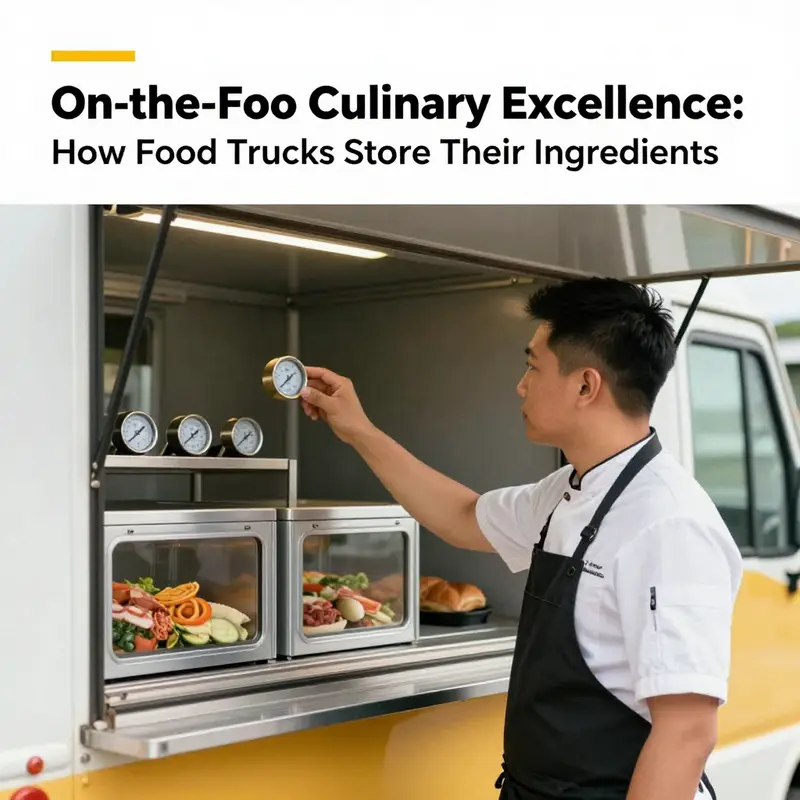
Every meal served from a food truck is the result of careful choreography between cooking, movement, and storage. The storage space inside a mobile kitchen remains largely unseen by customers, yet it determines what can be on the menu, when it can be prepared, and how reliably a vendor can serve during a busy weekend. Without properly stored ingredients, even the most flavorful recipes can falter. For a truck to deliver consistent quality, the storage strategy has to do more than hold items; it has to protect them from temperature swings, cross-contamination, and waste. This chapter traces how operators design and use storage compartments, why temperature control matters, and how these choices ripple through every bite served from a curbside window. The story of storage in a mobile kitchen is really a story about trust—trust that the kitchen on wheels will deliver safe, fresh meals every time the window opens, regardless of the weather, the crowd, or the length of the day’s line.
Most food trucks rely on refrigeration and freezing units integrated into the vehicle or added as compact, purpose-built equipment. Perishable items such as meat, dairy, and fresh produce are kept cold in built-in refrigerators and freezers, while nonperishable staples find space in dry storage bins and shelves tucked into corners of the truck. In many layouts, cold storage occupies a dedicated section near the prep area, with a clear separation from dry goods to minimize accidental contact. For beverage-focused trucks, refrigeration is essential not just for drinks but for ingredients like dairy cream, fruit purée, or premade chill beverages that accompany the menu. Full-service trucks that prepare meals from scratch or that offer hot items like Neapolitan-style pizzas also rely on integrated cold storage to maintain ingredient integrity from the ride to the window. The design intent is practical efficiency: every item has a home, every home is protected from heat and humidity, and every delivery to the counter proceeds without a delay caused by digging through a cluttered, unstable space. The result is a kitchen that can function at peak speed without compromising the quality of raw materials or finished dishes.
Maintaining safe temperatures is the cornerstone of mobile food safety. Cold foods should stay below 40 degrees Fahrenheit (4 degrees Celsius), and hot foods should stay above 140 degrees Fahrenheit (60 degrees Celsius) during storage and service. The goal is to slow bacterial growth to keep food safe from the moment it is stored until it is plated. Temperature fluctuations are the enemy; even short periods of warming can rapidly degrade quality and invite spoilage. That’s why many trucks are designed with thermal insulation, reinforced seals, and precise thermostat controls. Operators frequently monitor temperatures with built-in gauges or digital logs, calibrating thermometers to ensure readings reflect reality. This discipline reduces waste and protects customers, turning a mobile kitchen into a reliable source of safe meals rather than a rolling risk. In practice, technicians and managers schedule routine checks before, during, and after service, ensuring that a sudden cold snap or a door left ajar does not create a lag in the cold chain. The attention to temperature is not merely a regulatory box to check; it is a daily habit that underpins every successful service.
Beyond safety, storage choices influence flavor, texture, and the overall dining experience. When ingredients sit at the right temperature, marination proceeds predictably, and dairy-based sauces stay emulsified rather than separating. For pizza- or pasta-focused trucks, cold storage keeps yeast and dough toppings stable, preserving rise factors and bake quality. For salads and assembled bowls, crisp vegetables and herbs maintain their color and crunch rather than wilting in a warm hold. The long-term goal is consistency, so a customer who returns to the same truck finds the same level of freshness and flavor. This consistency also sustains trust, which is crucial for small businesses competing in crowded streets and festivals. Proper storage supports compliance with health regulations and makes it easier to implement preventive controls, such as segregating raw meats from ready-to-eat ingredients to prevent cross-contamination. When a kitchen preserves the integrity of delicate ingredients—beloved toppings, fresh herbs, or silky cheeses—the final plate reflects deliberate care rather than improvisation born from improvisational space constraints.
Storage design is more than choosing a fridge brand; it is about how the space fits into the workflow. Efficient layout reduces unnecessary movements, which in turn minimizes temperature swings and hastens the pace of service. A well-planned truck might feature a two- or three-zone system: a cold section for raw proteins, a prep zone for ready-to-cook ingredients, and a warm hold or rapid-cook area for finished dishes. This zoning makes it easier to rotate stock, observe FIFO (first in, first out) principles, and keep out-of-date items out of the line of fire. Operators also rely on organized storage practices—clearly labeled bins, color-coded containers, and dedicated utensils—to diminish cross-contact risks. The aim is to support a clean, fast flow from receipt to prep to plate, without compromising safety or quality. Such thoughtful configuration transforms a compact vehicle into a precise, adaptable kitchen that can respond to a changing menu, a growing customer base, and the constant rhythm of street life.
To stay compliant and minimize waste, operators often reference broader food safety guidelines while tailoring them to the constraints of a truck. The USDA’s safe handling guidance offers a foundational map for how perishable foods should be stored, handled, and prepared, even when space is at a premium. The emphasis is on maintaining cold chains, avoiding temperature abuse, and keeping foods out of danger zones during every step of service. Color-coded trays, dedicated cutting boards, and routine cleaning schedules complement the storage hardware, turning a compact vehicle into a well-regulated kitchen-on-wheels. The result is not just safer food but a more economical operation: better stock control, less spoilage, and fewer emergency purchases during peak service. As operators translate these principles into concrete routines, the truck becomes a resilient platform for creativity, reliability, and community connection rather than a liability in adverse conditions.
Operationally, storage decisions ripple through menu planning and supply chains. A truck that relies on frequent restocking may need more compact coolers and smaller, more frequent orders to keep ingredients fresh. Conversely, trucks that service long routes or festivals might install larger cold storage capacity, along with backup power solutions and insulated doors to sustain temperatures between stops. Inventory control becomes a daily discipline: tracking what comes in, what is used, and what disappears from the shelves, all while juggling the unpredictability of walk-up customers and weather. For managers, this diligence translates into cost savings and steadier margins, since spoilage and waste eat into profits long before a dish reaches the window. The storage system also supports creative flexibility—when an operator wants to switch a menu on a whim, the cold storage must accommodate new ingredients without forcing a risky reconfiguration of the truck’s entire layout. In this sense, storage is not a passive feature; it is a strategic asset that enables service reliability, menu diversity, and business resilience in dynamic street economies.
From a culinary perspective, the link between storage and menu is direct. A thoughtful storage plan anticipates the needs of the kitchen crew and the cravings of passersby. It makes possible a lineup of grab-and-go items with ingredients kept ultra-fresh, while still allowing for made-from-scratch preparations in a tight space. The result is a balance between speed and quality that defines professional mobile food service. For operators exploring how to tell their story through a rotating or seasonal menu, seeing how ingredients are kept safe and fresh can be part of the narrative that resonates with customers. For readers curious about how these decisions translate to actual dishes, a look at Top Latino Food Truck Dishes can illustrate how storage considerations shape what gets plated and how it tastes on the curb. This insight demonstrates that storage is as much about storytelling as it is about mechanics.
Ultimately, the storage system of a food truck is a quiet engine that powers safety, consistency, and flavor. It is the difference between a rushed kitchen where ingredients thaw under the pressure of service and a well-oiled mobile operation that preserves the integrity of every item from the moment it arrives to the moment it leaves the window. When a truck owner invests in proper refrigeration, regular maintenance, and disciplined temperature monitoring, the payoff is seen in fewer menu disruptions, lower waste, and a trusted reputation among regulars. The city block or festival lot can become a testing ground for new ideas, but the storage framework remains the steady anchor that keeps the menu intact. In short, where food is stored is where quality begins, and that truth travels with every mile. For operators seeking further guidance on safe handling in perishable contexts, the USDA resource linked above offers practical grounding and actionable steps to refine any mobile kitchen’s cold chain.
Inside the Moving Pantry: How Food Trucks Store Food with Storage Units and Equipment
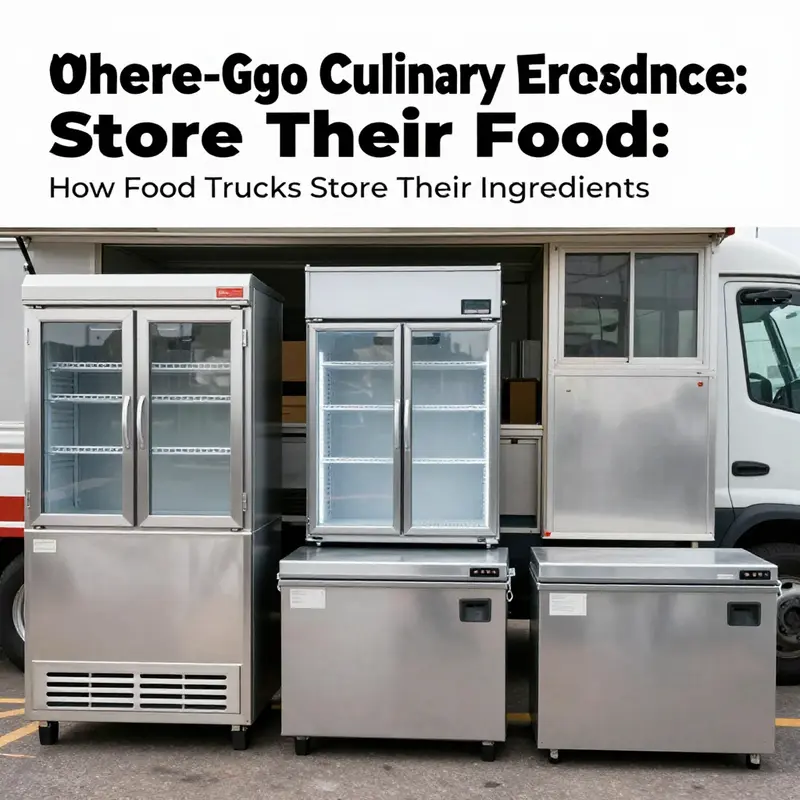
The true engine of a food truck’s kitchen is not only the stove or the grinder, but the insulated, temperature-controlled spaces that cradle every perishable ingredient between stops. In a world where meals arrive hot or freshest possible on tight itineraries, the capacity and reliability of a truck’s storage system determine both safety and flavor. The moving pantry is a careful balance of size, accessibility, and power, designed to keep meat, dairy, produce, and prepared components at precise temperatures while the vehicle rattles along city streets, highways, and festival grounds. Understanding these storage configurations reveals how mobility is married to meticulous food safety and how operators tailor their cold and dry storage to the meals they serve, the events they attend, and the terrain they navigate.
For catering trucks that roll into weddings, festivals, and corporate gatherings, storage needs go beyond the basics. These units demand robustness and ample volume because service windows can be long and demand consistency across dozens of servings. Large refrigerated compartments dominate the back end, sometimes paired with walk-in coolers that mimic a brick-and-mortar’s cold room. Insulated storage drawers offer quick access to frequently used ingredients, like cooling drawers for dairy components or proximity-access shelves for chopped vegetables and pre-portioned proteins. The goal is to minimize time spent opening doors, because each opening invites temperature fluctuations that can erode quality and invite potential contamination. In such setups, integrated warming ovens and chafing dishes often serve as holding units, allowing pre-prepped meals to stay within safe temperature ranges while presenting steady readiness for service across extended events. This approach handles both the need for reliable cold storage and the ability to extend a service window without sacrificing safety or quality.
Van-based food carts, by contrast, emphasize compact efficiency and clever configuration. Converted cargo vans reveal how much storage can be squeezed into a smaller footprint through under-counter refrigeration, built-in dry storage bins, and modular shelving systems. Organization becomes a defining feature; with space at a premium, items are arranged by frequency of use so that the essential ingredients sit within easy reach. Pull-out drawers and stackable containers maximize vertical space, letting an operator orchestrate prep steps in sequence rather than rummaging through crowded shelves. In these vehicles, the lid to a cold box becomes a stage for the daily performance of a menu—fruits and vegetables tucked in order, dairy near ready-to-use meat components, and sauces and garnishes stowed to prevent cross-contact. The result is a streamlined workflow where cooks move from cooler to cutting board to hot element with minimal interruptions, a choreography that helps maintain both consistency and safety in a fast-paced street environment.
Coffee and beverage trucks, while not defined by large kitchen cores, illustrate how a narrower focus still drives sophisticated storage logic. These units prioritize refrigeration for liquids and ingredients over bulky cooking equipment. Dedicated refrigerated cabinets hold syrups, milk, and ice, while sealed containers store powdered mixes and single-serve items to prevent clumping and contamination. Even smaller beverage operations require reliable dry storage for pastries or light snacks, protected from heat and humidity that can degrade texture and taste. In such rigs, the design is less about room to roam and more about keeping a stable microclimate around beverages and buffer items, ensuring that the quality of every drink and accompanying bite remains intact from first service to the last order.
Across all designs, one constant remains: temperature control is non-negotiable. Modern food trucks typically rely on commercial-grade refrigeration units powered by generators or vehicle batteries to preserve cold storage during mobile operations. This power flexibility matters greatly in the field, where a location’s amenities or lack thereof can influence temperature stability. When a truck parks at a festival, near a stadium, or in a remote venue, a stable power source keeps the cool chain intact. And because perishable foods travel with the truck and are not subjected to continuous restocking like a brick-and-mortar establishment, the storage area must be both reliable and resilient. Temperature fluctuations are not just a quality issue; they are a safety concern that impacts how long ingredients can safely stay in storage and how quickly they can be rotated out to prevent spoilage.
Stock rotation, labeling, and cleaning protocols are as much a part of the storage architecture as the units themselves. Following the FIFO—First In, First Out—principle reduces waste and guards against stale or unsafe ingredients lingering in shelves or drawers. Clear labeling helps staff identify items quickly and reduces the chance of cross-contamination between raw and ready-to-eat components. Regular cleaning schedules prevent the buildup of bacteria and spoilage that can hide in corners and door gaskets. These practices, though routine, undermine the trust customers place in mobile kitchens. Operators who prioritize strict sanitation and systematic inventory management are those who consistently deliver meals that look and taste as fresh as those from traditional kitchens, even on the go.
The interplay of space, power, and workflow defines how a truck’s storage system evolves with the menu. A truck serving Neapolitan-style pizzas, for instance, will hold dough and toppings in refrigerated drawers and cold rooms that allow rapid, on-demand assembly without exposing ingredients to ambient heat. A beverage-focused truck, meanwhile, may emphasize a more modular approach, with chilled cabinets dedicated to dairy, syrups, and ice, while maintaining compact dry storage for cups and single-serve garnishes. This spectrum illustrates how the type of cuisine and service style informs every design choice—where the cold chain begins, how ingredients are prepped, and how easily meals can be assembled during service. Each layout reflects a careful calculus: how to maximize usable space, how to minimize energy draw, and how to ensure that every ingredient meets safety standards when it leaves the truck and travels to a waiting customer.
From a safety perspective, compliance with health codes transforms into practical procedures that live in the storage compartments themselves. Temperature monitoring becomes a practical habit—thermometers display at a glance, alarms trigger if storage temperatures drift beyond safe thresholds, and backup power considerations guard against outages. Clear labeling and stock rotation are not merely bureaucratic steps; they are the everyday checks that keep perishable ingredients within safe limits while on the move. In regions with stringent regulations, operators often incorporate additional safeguards, such as separate compartments for raw proteins to avoid cross-contamination with ready-to-eat ingredients, or tamper-evident seals on certain items to accelerate audit readiness. The NFSEA’s guidance and standards provide a reference point for these practices, underscoring the professional discipline that fuels reliable, safe mobile food service. The NFSEA also offers guidance and a repository of standards that can help operators stay aligned with industry benchmarks while remaining adaptable to mobile realities. https://www.nfsea.org/
Cold Shelves, Bold Menus: How Onboard Storage Shapes Flavor, Safety, and Variety in Food Trucks
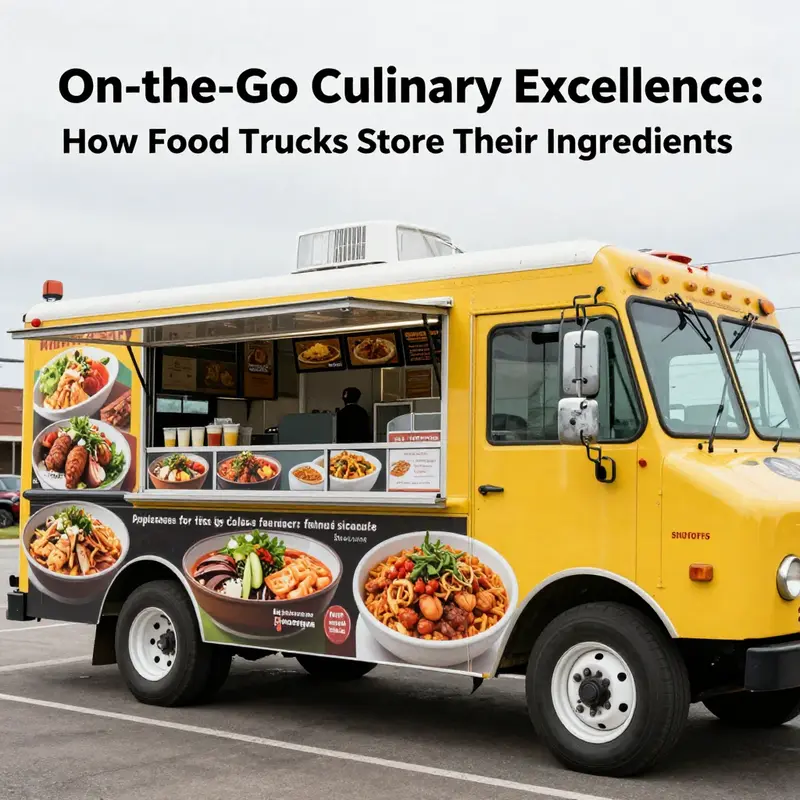
In the kitchen-on-wheels, the question of where food is stored is not merely practical—it is foundational. The food truck’s ability to produce a diverse, dependable menu hinges on onboard storage that preserves freshness, ensures safety, and supports the pace of service. The compartments tucked into every corner of a well-designed truck are more than cold boxes; they are the quiet engines of culinary creativity, quietly enabling chefs to dream bigger, plan smarter, and respond to changing crowds with confidence. When operators think about storage, they are really thinking about control—control of temperature, control of organization, and control of timing—because each of these controls translates into flavor on the plate and safety on the serve counter.
At the heart of most food trucks are temperature-controlled compartments that keep perishables from shrinking in flavor or becoming unsafe. Refrigerated units, whether they take the form of walk-in coolers, compact under-counter fridges, or dedicated reach-ins, form the backbone of everyday operations. These systems are designed to hold meats, dairy, produce, and prepped components at precise ranges, typically just above freezing for meats and dairy, and cool but not frostbite temperatures for produce and prepared ingredients. Freezers add a parallel dimension, allowing chefs to preserve specialized items, stock longer-prep components, and stage meals that might be assembled later in the service window. For beverages, dedicated cooling zones ensure drinks and mix-ins stay frosty, while the same unit can house fruit garnishes, syrups, and other cold ingredients that want to remain crisp and vibrant. The ability to maintain a robust cold chain on the move directly supports a wider, more confident menu that can adapt with the day’s supply and the fluctuations of customer demand.
Alongside the chill of the fridge and freezer, many trucks feature dry storage areas that hold non-perishables—grains, pasta, canned goods, and spices—that keep the kitchen nimble without tying up precious refrigerated space. Dry storage must be clean, organized, and protected from pests and moisture to prevent contamination and spoilage. The layout of these zones matters as much as their contents. When shelves are thoughtfully arranged—raw ingredients separated from ready-to-serve components, oils and condiments tidily stationed, and rotation planned to minimize waste—the kitchen becomes a choreography of efficiency. In a truck with limited square footage, the margin between bold menu ideas and practical execution often comes down to how cleverly a truck is outfitted for storage and how well those spaces are used.
The impact of storage goes beyond keeping food safe; it determines how adventurous a truck can be with its menu. In practice, a chef who can count on reliable cold storage and ample dry storage can plan for multi-component dishes that require several ingredients to be ready at the same time. A larger, well-insulated truck with energy-efficient cooling and a sensible internal layout can sustain a longer service window in hot weather or a cooler climate, enabling seasonal or regional variations without sacrificing quality. Operators who invest in flexible, modular storage systems can swap in high-end or experimental ingredients when opportunity arises, knowing they have the space to keep those items fresh and accessible. This is where equipment design intersects with culinary ambition; every additional cubic foot of well-conditioned storage expands the range of dishes a truck can responsibly and consistently deliver.
Yet storage is not only about capacity—it is also about speed, safety, and discipline. In hot markets or during peak hours, the ability to access frequently used components quickly helps maintain speed without compromising quality. Modular, clearly delineated compartments allow staff to grab the right item without cross-contact risk, a critical concern when handling raw proteins and ready-to-serve components in the same kitchen. Temperature probes, insulated doors, and proper airflow keep cold zones uniform, so a protein or dairy item pulled from the back of a rack does not drift into unsafe territory. The practice of inventory control—using strategies like first-in, first-out and routine temperature checks—becomes a routine that protects flavor, reduces waste, and maintains compliance with food-safety standards even as the service tempo rises.
The design implications of storage reach into strategy and branding as well. A truck built for speed, with compact, easily accessible units, supports fast-casual concepts that thrive on quick turnovers and consistent results. On the other hand, a truck aiming for restaurant-quality dishes on the go may incur a larger footprint with more substantial cold storage and a dedicated prep zone, enabling more complex builds, longer shelf life for high-end ingredients, and a broader range of components that can be assembled into a diverse menu. In both cases, robust storage infrastructure unlocks the operator’s ability to maintain quality from the first order to the last, regardless of how the day unfolds. The more resilient the storage system, the greater the confidence to experiment with textures, techniques, and seasonal ingredients, knowing that freshness and safety are safeguarded in every corner of the vehicle.
An often underappreciated facet of storage is its role in inventory management and waste reduction. Well-organized cold and dry storage helps staff track quantities, set par levels, and rotate stock efficiently. When fresh ingredients are visible and accessible, cooks are more likely to use them at their peak, while overdue items can be shifted into special offerings that highlight their best flavors before they go to waste. This discipline in storage supports a culinary program’s reliability and long-term cost control, which in turn sustains menu innovation rather than forcing it to retreat due to recurring shortages or compromised ingredients. Larger trucks with advanced cooling systems and integrated inventory software can forecast demand more accurately, plan for peak days, and adjust menus with greater nimbleness—an advantage in markets that reward both consistency and surprise.
The diversity of storage configurations mirrors the variety of the menus themselves. Beverage-forward concepts rely on chill to preserve flavors and textures in drinks, garnishes, and mix-ins, while full-service operations that prepare made-from-scratch items or wood-fired specialties demand cold storage for delicate ingredients like seafood, dairy, or specialty cheeses and a back-up zone for prepped components. The presence of dry storage agreements a kitchen’s scope, allowing for pantry staples that support a broad range of dishes without crowding precious refrigerated space. In practice, the most successful trucks balance these elements through thoughtful layout, insulation, and modern cooling technology—features that together extend service hours, improve consistency, and empower culinary teams to push the envelope with confidence.
For operators seeking inspiration on how storage decisions shape practical outcomes, the experiences of veteran food truck owners offer valuable lessons. These practitioners reveal how clever space planning and disciplined storage routines translate into reliable service, clearer menus, and the courage to test new ideas without risking safety or quality. See Profiles of Veteran Food Truck Owners to explore how seasoned operators approach space, equipment, and workflow, and to glean notions that might translate into your own setup. Profiles of Veteran Food Truck Owners
Ultimately, the storage choices a truck makes are not abstract engineering—they are the engines of flavor, safety, and variety. Each door that opens reveals a carefully curated inventory, each shelf a potential for a new dish, and each temperature reading a guarantee that a guest will receive food prepared with care. When the storage system is well conceived, the menu is not limited by space but liberated by it. The kitchen becomes a canvas that can accommodate bold ideas from season to season, heat to heat, crowd to crowd. The result is a mobile dining experience that holds steady under pressure and still surprises guests with fresh, thoughtfully assembled plates. In this sense, the question ‘where do food trucks store their food?’ answers itself: in temperature-controlled, efficiently organized spaces that empower chefs to experiment, execute, and elevate every meal they serve. The storage room is not a quiet backstage area; it is the quiet force that makes a remarkable menu possible, every day, in every neighborhood.
External reference: https://www.foodtrucks.com/food-truck-storage-systems-and-temperature-control
Behind the Mobile Kitchen: How Food Trucks Store Food Safely, Legally, and Efficiently
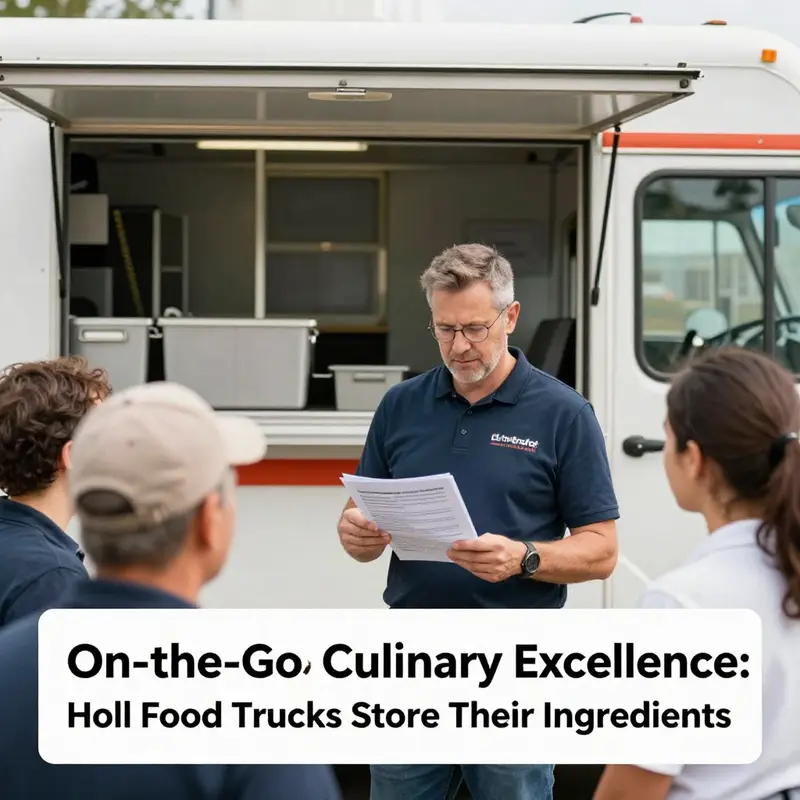
Mobile kitchens rely on a compact, well-planned storage system. Refrigeration, dry storage, and ambient areas are arranged to support food safety, workflow, and speed of service. Cold items stay at or below 41°F (5°C) and hot items stay at 135°F (57°C) or higher, with continuous temperature monitoring and logs. Food is stored off the floor on easy-to-clean shelving; raw items are separated from ready-to-eat components; FIFO practices ensure rotation. Sanitation protocols, training, and regular inspections complement the hardware, ensuring the truck travels safely from prep to service to the customer. The regulatory framework, including applicable FDA or local codes, provides guardrails that operators follow to maintain compliance while delivering quality meals on wheels.
Final thoughts
The storage solutions adopted by food trucks are foundational to their success, influencing food safety, menu variety, and operational efficiency. It’s clear that effective temperature-controlled storage plays a pivotal role in ensuring that every meal served meets high standards of freshness and quality. As the food truck industry continues to grow, embracing innovative storage technologies and adhering to regulatory standards will remain essential for offering the best possible dining experiences on the go. Food truck operators and enthusiasts alike should recognize the importance of these practices in enhancing customer satisfaction and promoting successful culinary ventures.