
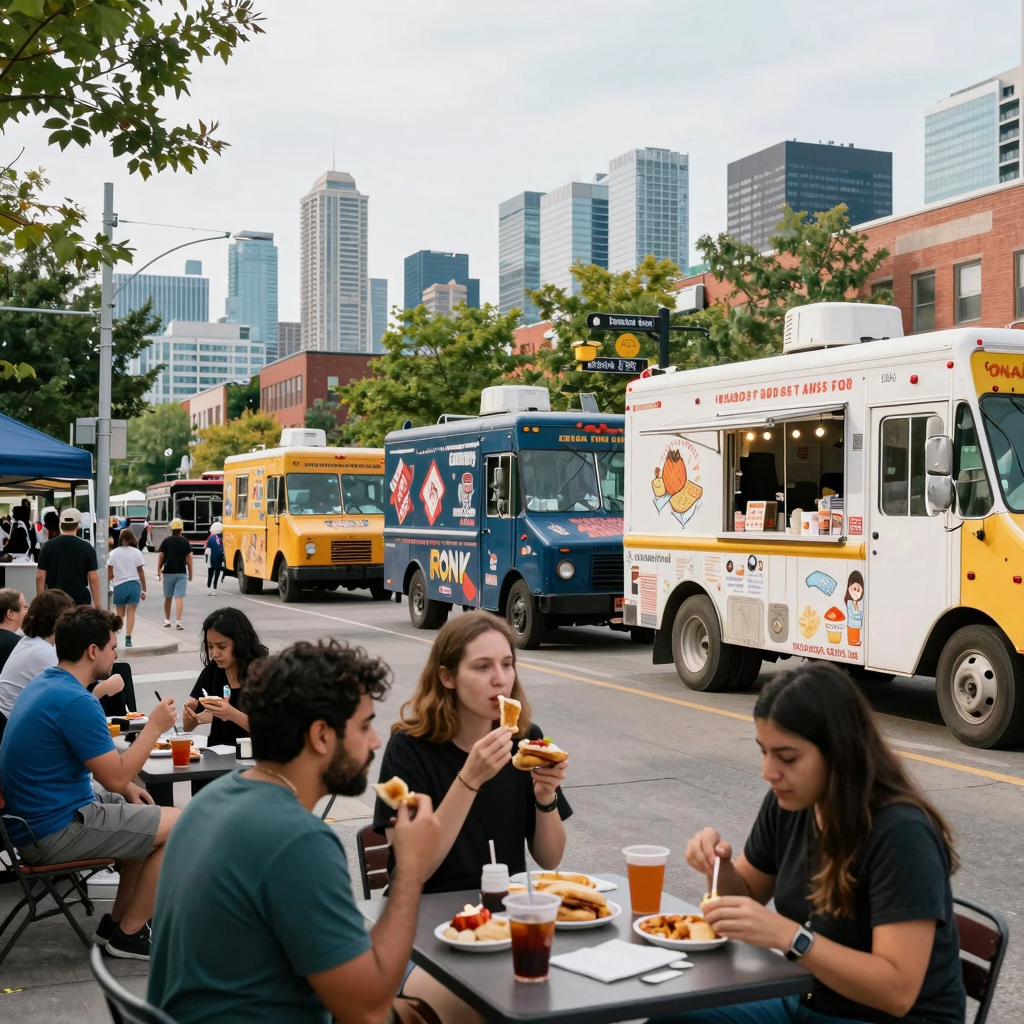
Toronto’s food truck scene is a vibrant tapestry of flavors, cultures, and culinary innovation, capturing the hearts of both locals and visitors alike. As the city pulses with dynamic energy, the hum of food trucks rolling across its streets serves as a delicious indicator of Toronto’s commitment to culinary creativity and community. However, amidst this bustling landscape, the importance of choosing the right parking spot cannot be overstated. For food truck enthusiasts and professionals, a strategic parking location can mean the difference between a thriving business and a struggling one. The right spot not only maximizes foot traffic but also positions vendors to tap into the city’s diverse demographics. Whether you’re a hobbyist looking to share your family recipes or a seasoned professional aiming to dominate the market, understanding the nuances of parking a food truck in this great city is crucial for your success. To dive deeper into the essentials of food truck operation, including legal considerations and community engagement, keep reading!
Top Food Truck Parking Spots in Toronto
Finding the right location for your food truck is crucial for attracting customers and ensuring compliance with city regulations. Here’s a list of the top food truck parking spots in Toronto, highlighting their benefits, zoning information, and necessary permits.
1. Trinity Bellwoods Park
- Benefits: High foot traffic, especially during weekends; vibrant community atmosphere.
- Zoning Information: Approved for food truck operations, but must comply with noise and waste management standards.
- Permits Needed: Mobile Food Vendor Permit; must ensure compliance with city regulations.
2. Union Station
- Benefits: Excellent visibility with the constant flow of commuters; proximity to major transit hubs.
- Zoning Information: Designated public space for food trucks with Temporary Use Bylaw approval.
- Permits Needed: Mobile Food Vendor Permit with an annual fee of $300.
3. Queen Street West (Weekend Markets)
- Benefits: Popular shopping district with a diverse clientele; vibrant arts scene.
- Zoning Information: Temporary use zoning allows food truck operations during market days, but not near existing restaurants.
- Permits Needed: Must register through the city’s online portal for event days.
4. Distillery District
- Benefits: Famous tourist attraction with unique charm; draws locals and tourists alike.
- Zoning Information: Special event permits required for food trucks in this area.
- Permits Needed: Registration for special events is necessary; adhere to strict operation rules.
5. Harbourfront Centre (Seasonal Events)
- Benefits: Thriving waterfront location with numerous seasonal festivals; family-friendly atmosphere.
- Zoning Information: Approved for temporary food truck operations during events.
- Permits Needed: Must obtain the Mobile Food Vendor Permit; registration might be required for event-specific operation.
6. Nathan Phillips Square
- Benefits: High visibility near City Hall; frequent public events and gatherings.
- Zoning Information: Strict regulations with only one food truck allowed per 100-meter radius.
- Permits Needed: Mobile Food Vendor Permit with adherence to noise restrictions and cleanup standards.
Conclusion
Choosing the right parking spot can make a significant difference in your food truck’s success. Make sure to familiarize yourself with the local zoning laws and obtain the necessary permits to operate legally. For more on navigating the regulations of running a food truck in Toronto, review our guide. Happy vending!
Exploring Food Truck Parking in Toronto
Toronto is a vibrant city that pulsates with the energy of its diverse food truck scene. The lively atmosphere is amplified by the presence of food trucks parked at various iconic locations.
Nathan Phillips Square
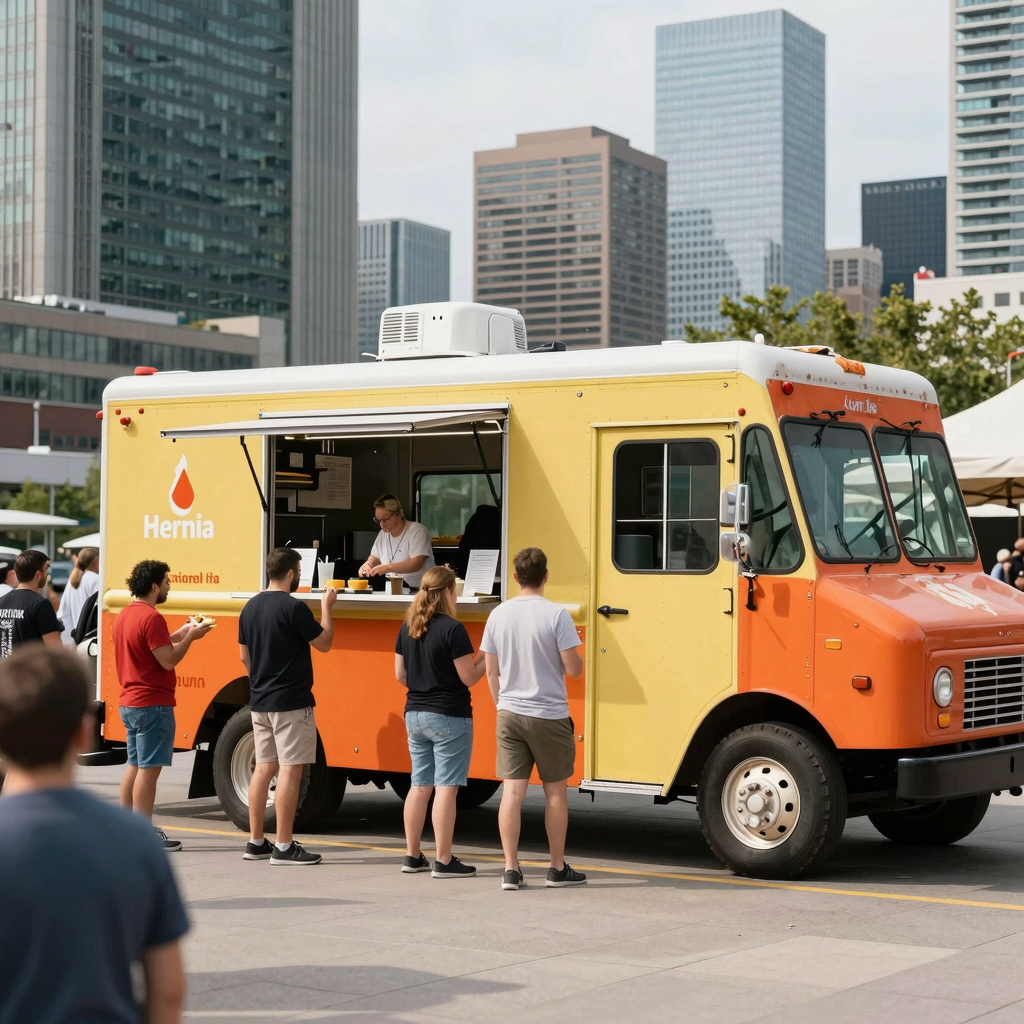
At Nathan Phillips Square, you can find food trucks offering delectable treats amidst the backdrop of the stunning city skyline, creating a perfect blend of urban flavors.
Kensington Market
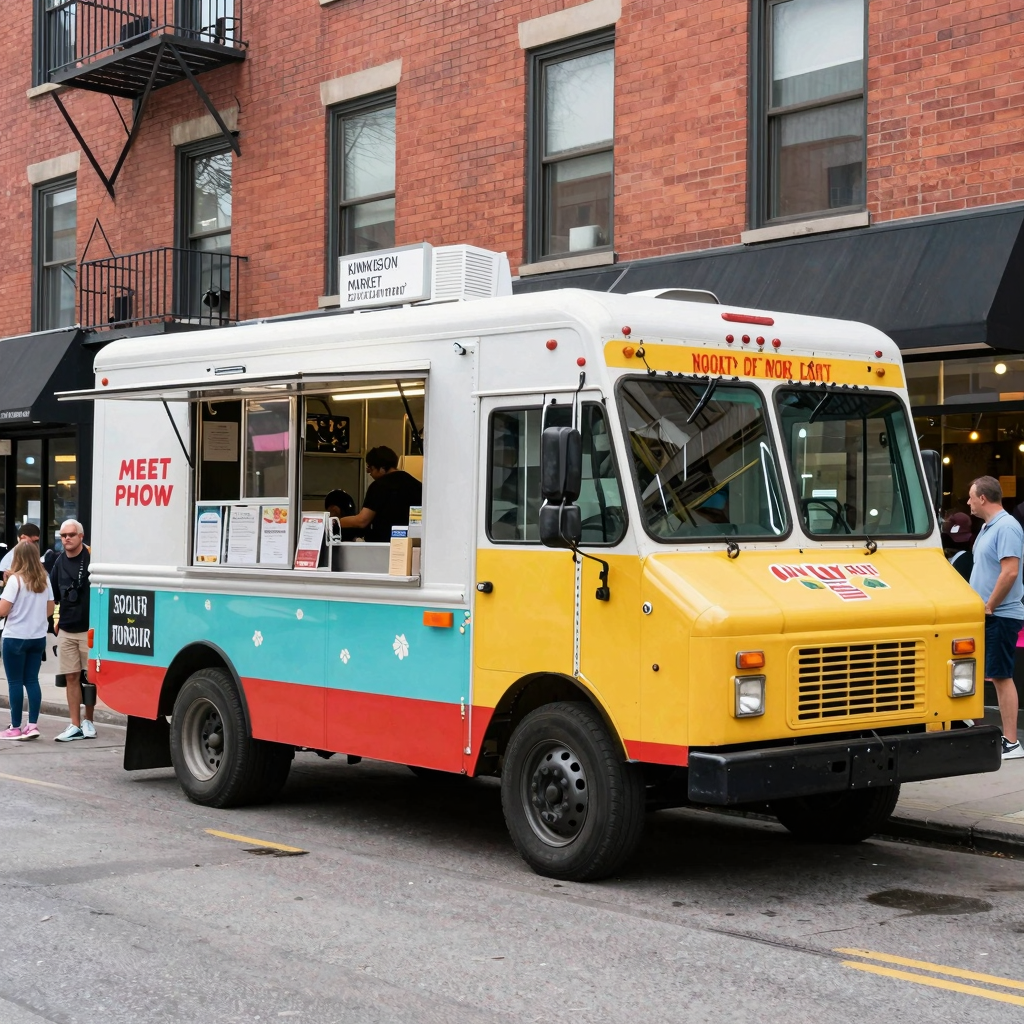
Kensington Market is another hotspot. Here, food trucks blend seamlessly with trendy shops, offering an eclectic mix of cuisines that appeal to the diverse crowds.
Toronto Waterfront
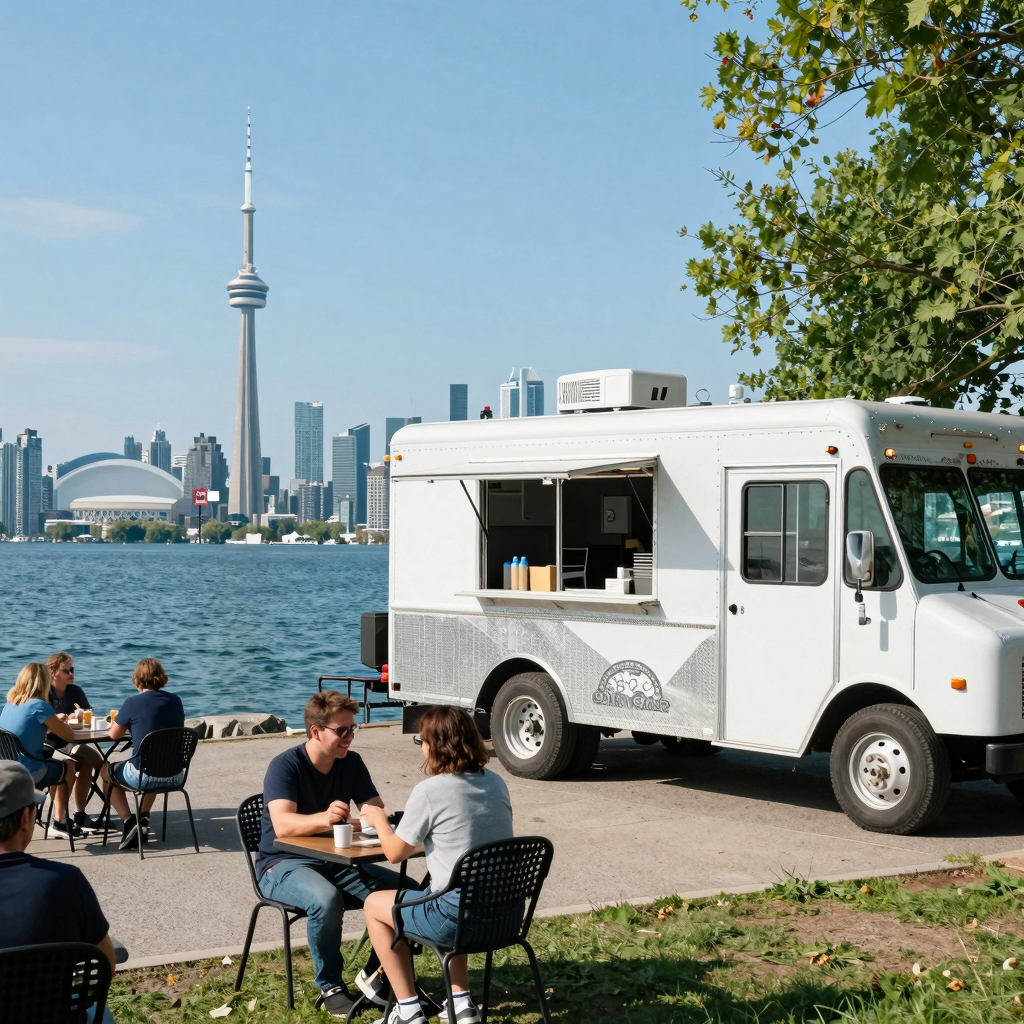
The waterfront area is ideal for enjoying a meal with picturesque views of Lake Ontario, making it a popular choice for both locals and tourists.
St. Lawrence Market
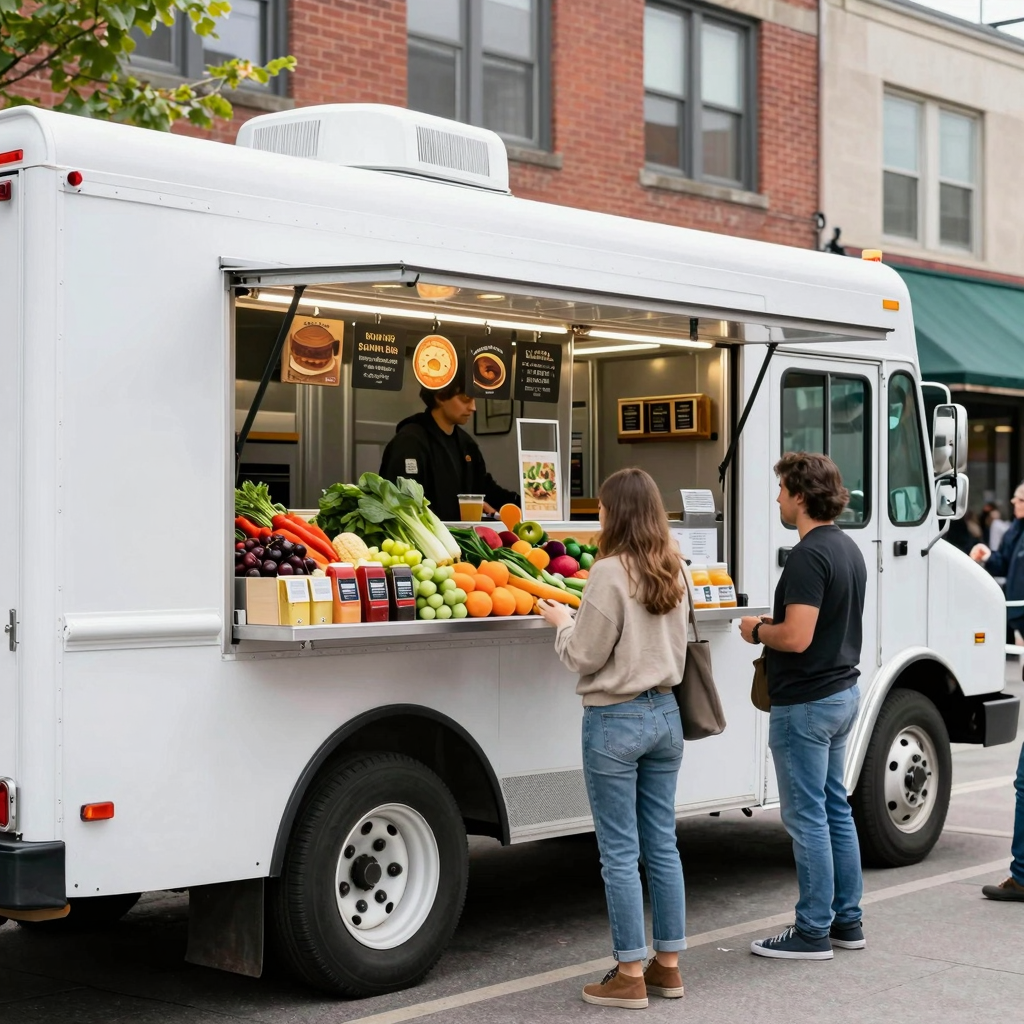
St. Lawrence Market showcases local specialties, creating a lively environment where patrons can indulge in fresh and flavorful offerings.
For more on the cultural significance of food trucks, visit this blog.
Legal Requirements for Parking Food Trucks in Toronto
Operating a food truck in Toronto involves navigating a complex landscape of legal requirements, including zoning laws, permits, and health regulations. Understanding these aspects is crucial for compliance and success in this vibrant culinary scene.
Zoning Laws
In Toronto, food trucks must adhere to specific zoning regulations that dictate where they can park and operate. Primarily, food trucks are permitted to operate in designated public spaces such as parks, event venues, and select commercial areas. Permanent operation locations necessitate additional rezoning approvals. The City of Toronto has introduced flexible zones in high-traffic areas, allowing temporary operations under specific conditions.
Required Permits
To operate legally, food truck owners need a Mobile Food Vendor Permit, which mandates proof of insurance, a valid business license, and adherence to health and safety standards as outlined by the City of Toronto. Furthermore, a Food Service Establishment Permit from the Toronto Public Health department is mandatory, ensuring compliance with hygiene and safety regulations.
Health and Safety Regulations
Food trucks must be equipped with appropriate fire suppression systems, such as smokeless fryers and operational extinguishing systems, in accordance with NFPA-96 standards. Regular inspections for food safety measures, proper waste disposal, and sanitation practices are enforced rigorously.
For more insights into the legal challenges faced by food truck entrepreneurs, check out our legal considerations guide for Latino food truck startups. By ensuring compliance with these regulations, food truck owners can successfully navigate the bustling streets of Toronto.
Parking Regulations Summary for Food Trucks in Toronto
Navigating Toronto’s parking regulations is crucial for food truck operators, ensuring compliance while maximizing business potential. Here’s a summary of parking regulations in key areas:
Overview of Regulations
-
Time Restrictions:
-
Downtown & Financial District: 9 a.m. – 6 p.m. (Monday-Friday)
-
Residential Streets: 2 a.m. – 7 a.m. (no parking); 8 a.m. – 10 p.m. (permitted with time limits)
-
Parking Fees (Per Hour):
-
Downtown: $3.50 – $4.50
-
Financial District: $3.00 – $4.00
-
Residential Streets: $1.50 – $2.50 (metered); free overnight
-
Food Truck Operations:
-
Permits needed; must operate in designated zones. Noise and waste management regulated (e.g., must be below 65 dB(A) and waste disposed of within 30 minutes).
Parking Regulations Chart
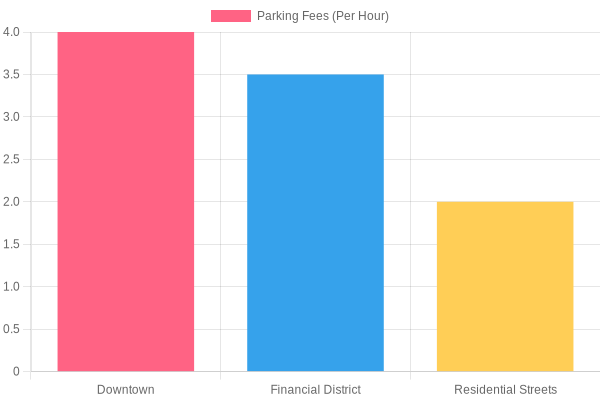
Toronto’s regulations aim to keep the city organized while allowing food trucks to serve the community effectively. For more detailed guidelines, check out the City of Toronto Parking Regulations and Food Truck Permit Guidelines.
User Testimonials: Parking Experiences from Toronto Food Truck Owners
“Location is Everything” – Maria from Taco Tornado
“Securing a parking spot near Union Station truly transformed my business. I obtained a mobile food vendor permit and parked at designated hotspots during weekdays. My sales skyrocketed by 60% since then! It’s always bustling with people heading to work, and the visibility made all the difference for my taco truck. I can’t stress enough how crucial it is to be in a high-traffic area to attract lunch crowds!”
“Stability Through Events” – John from Banh Mi Boss
“Initially, I struggled with sporadic sales until I connected with local businesses near the university. Now, I’ve secured a fixed operating time during lunch hours through an agreement with them. This stability has been a game-changer. It’s about building relationships and being present in a location where customers expect you to be! Each week, I see familiar faces who return for their favorite Banh Mi sandwiches.”
“Navigating Challenges” – Lisa from Sunny’s Sushi Roll
“The rules around parking can be tricky in Toronto, especially in popular areas. Joining the Toronto Food Truck Alliance helped tremendously; they provided me with updated maps of legal parking sites and offered invaluable support with permits. Now, I can plan my days better, ensuring I’m positioned where customer traffic is highest. I’m no longer relying on luck but on strategy!”
“Finding the Right Spot” – David from Grill Thrill
“I remember the days of random parking, hoping for foot traffic. After hearing from other vendors, I started attending weekend markets in parks. The fixed participation in these events has not only increased my customer base but has also fostered community connections. Knowing I would be there every Saturday solidified my reputation. It’s essential to keep showing up!”
The stories shared by these passionate food truck owners illustrate that location and consistency play pivotal roles in their business success. As they navigate Toronto’s food truck landscape, their experiences are a testament to the importance of strategic parking choices. To learn more about essential regulations, check out our legal considerations for food truck startups.
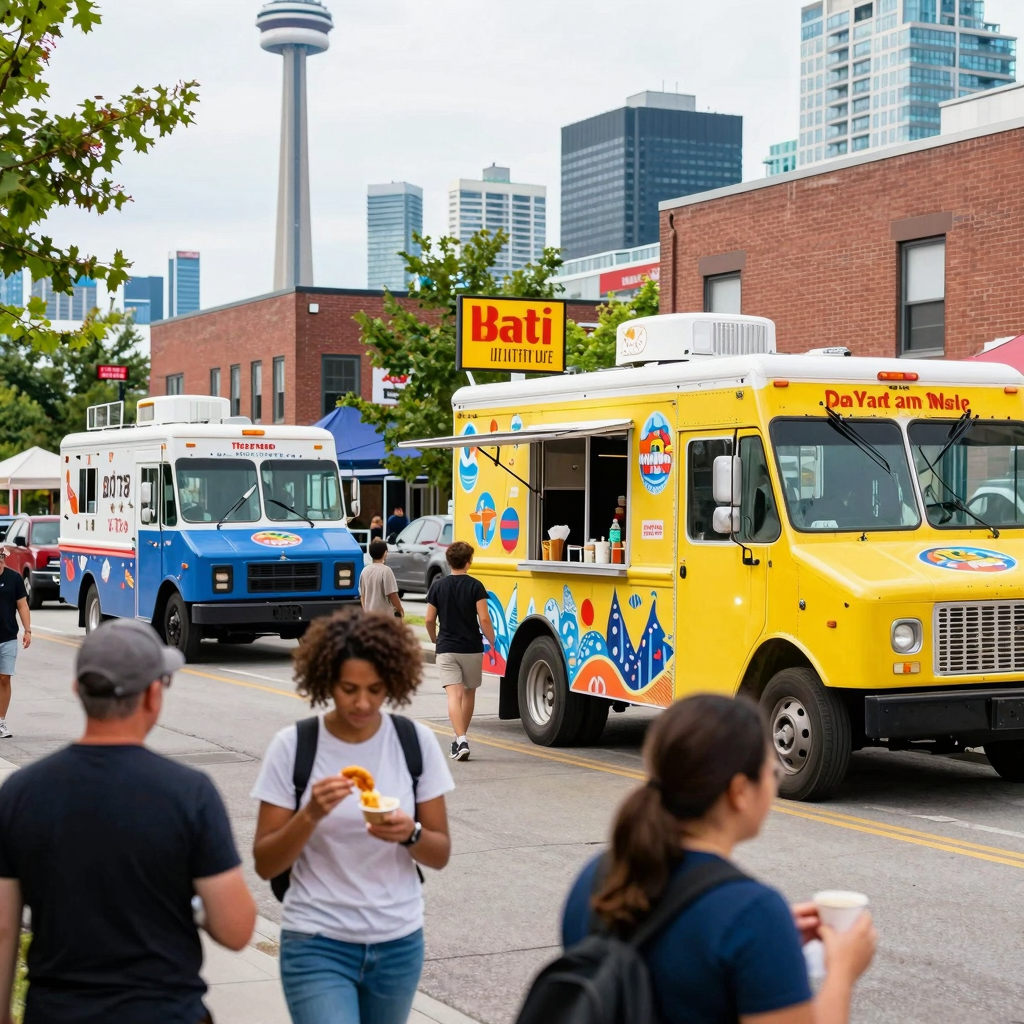
For further insights, explore more success stories of food truck owners.
Expert Opinions on Food Truck Location
In the food truck industry, experts unanimously agree that location is a pivotal element for success. As Sarah Lin, a seasoned food truck operator and consultant, articulates:
“You can have the best menu in the world, but if you’re not where your customers are, you won’t make sales.”
This highlights the critical nature of being positioned strategically, especially in high-traffic areas such as office parks, event venues, and near transit hubs.
Mark Chen from the National Food Truck Association (NFTRA) supports this sentiment:
“Location isn’t just about where you park-it’s about timing, audience, and competition. A well-chosen spot can double your daily revenue compared to a poorly selected one.”
In a recent NFTRA report, it was revealed that 78% of successful food truck operators attribute their profitability directly to optimal location selection. Using data analytics tools to track foot traffic patterns is crucial for identifying lucrative parking zones.
Food business analyst Lisa Tran also points out the importance of timing:
“The difference between a struggling truck and a thriving one often comes down to being at the right place at the right time.”
She advises new operators to test various locations, especially during peak hours, to assess demand before committing to a certain area.
Understanding local regulations and zoning laws is equally important to ensure long-term viability, as noted by industry specialists. Parking in the right place can significantly boost a food truck’s visibility and help capture a steady stream of customers.
To dive deeper into the dynamics of parking your food truck in Toronto, you can learn more about legal considerations or check out profiles of veteran food truck owners who have mastered the art of strategic location selection.
Challenges Faced by Food Truck Owners in Toronto
Operating a food truck in Toronto presents a unique set of challenges that can make or break a business. Here’s a closer look at some of the most common obstacles encountered by food truck owners and practical tips to overcome them.
Competition
Competition is fierce in Toronto’s vibrant food truck scene. With numerous vendors vying for the same foot traffic, it can be challenging to stand out and attract customers. Food truck operators often find themselves competing not only with nearby food trucks but also with established restaurants and cafes.
Tips to Overcome Competition:
- Unique Menu Offerings: Differentiate your food truck by offering unique or niche menu items that appeal to a specific demographic or dietary preference, such as vegan or gluten-free options.
- Branding & Marketing: Invest in eye-catching branding. Use social media platforms effectively to promote daily specials, locations, and engage with your customer base.
Parking Availability
Finding a suitable parking spot is one of the biggest challenges faced by food truck owners in Toronto. High permit fees and restrictive operational zones limit where trucks can park and operate, especially near popular downtown areas and events. For example, the average annual licensing cost can be around $2,800, which is a significant financial burden for small operators (City of Toronto Food Truck Regulations).
Strategies for Securing Parking Spots:
- Plan Ahead: Research and apply for permits in advance for major events. Some events have limited spots available but can attract large crowds.
- Networking: Build relationships with local businesses that may allow you to park in their lots during off-peak hours. Offering a partnership, such as cross-promotion, can benefit both parties.
Seasonal Changes
Toronto experiences drastic seasonal fluctuations, which can significantly impact food truck operations. Colder months often mean lower customer turnout due to harsh weather, affecting revenue for vendors. Ice and snow can also create logistics challenges for both customers and operators.
Adapting to Seasonal Changes:
- Seasonal Menu Adjustments: In winter, consider adding comfort food items such as soups and hot beverages to adapt to the colder weather.
- Flexible Operations: Explore ways to operate indoors when possible (e.g., at festivals or markets held in heated venues). This can broaden your customer base even during colder months.
Conclusion
The challenges faced by food truck owners in Toronto, from intense competition and parking woes to seasonal adaptation, require creativity and adaptability. By employing these strategies, food truck operators can not only survive but thrive in this bustling metropolis. For more insights on thriving in the food truck industry, check out work-life balance for food truck entrepreneurs and profiles of veteran food truck owners.
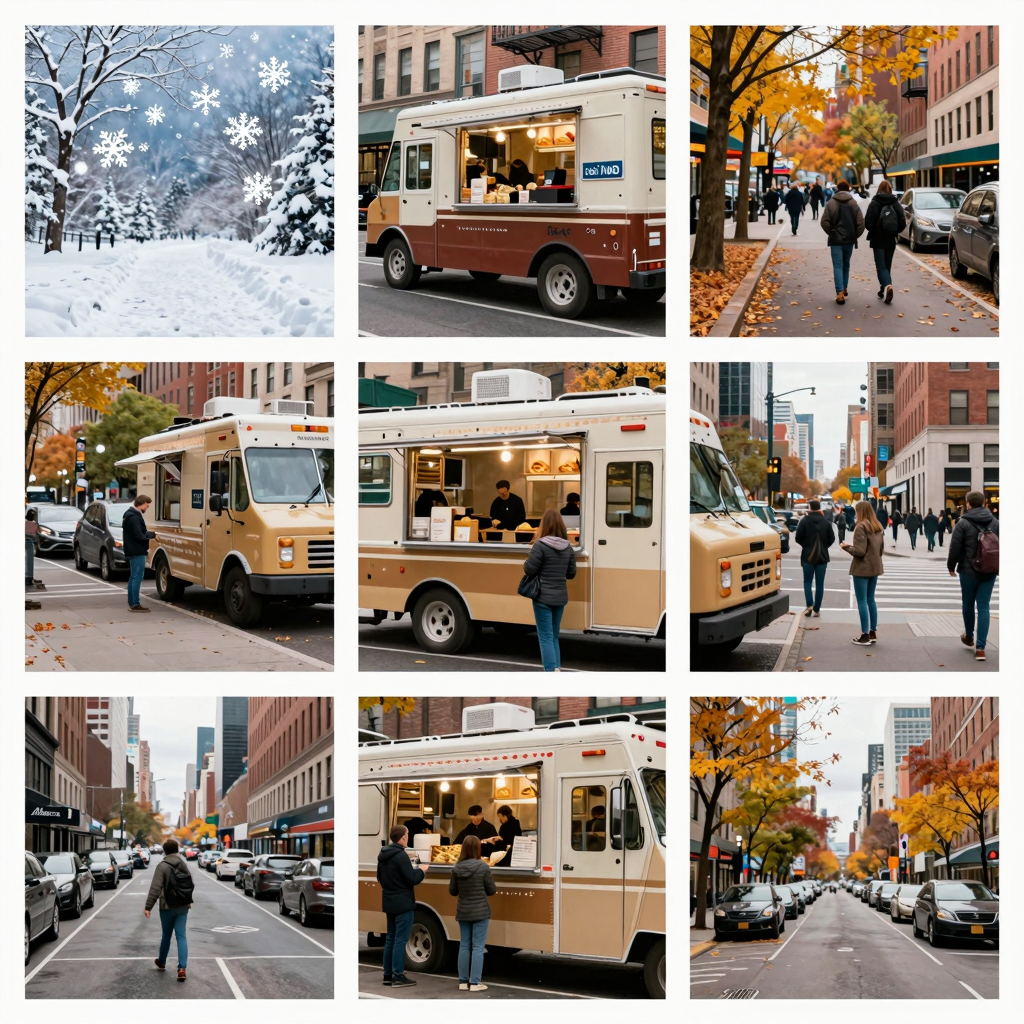
Elevate Your Food Truck Journey
Parking your food truck in Toronto isn’t just a logistical decision-it’s an art. The right parking spot can elevate your business, capturing more customers and maximizing your exposure. When selecting your location, consider factors like foot traffic, accessibility, and proximity to events. By being strategic, you’ll not only serve up delicious meals, but also create memorable experiences for your patrons.
But that’s just the start! As you carve your niche in the competitive food truck scene, think about how every detail counts-including the aesthetics of your truck. That’s where premium fairings at Summit Fairings come into play. Enhance your truck’s look, ensuring it stands out as much as your menu does.
Don’t just park; make a statement! Explore our selection and find out how to elevate your food truck, making it a beloved part of the Toronto culinary landscape. Learn more today!
Conclusion on Parking Food Trucks in Toronto
Parking a food truck in Toronto is both an art and a science. The right location can make all the difference, as it directly impacts customer foot traffic, visibility, and ultimately sales. Areas such as St. Lawrence Market and Nathan Phillips Square have proven to be the top spots for mobile vendors, attracting thousands of patrons daily. These locations offer not only high foot traffic but also a vibrant atmosphere that draws in food enthusiasts eager to try diverse culinary offerings.
It’s crucial for food truck operators to understand and adhere to the local regulations, such as obtaining the necessary permits and operating within designated zones, to ensure a smooth and legal operation. Locations are often designated by city planners based on factors like public accessibility, safety, and existing competition, making compliance imperative for success.
In conclusion, strategically choosing parking spots and staying informed of local regulations can maximize your food truck’s potential. If you are ready to launch your food truck business or revamp your existing operations, consider these insights to carve out your niche in Toronto’s bustling food scene. To start your journey effectively, explore more about legal considerations for Latino food truck startups and connect with local vendors for guidance.