
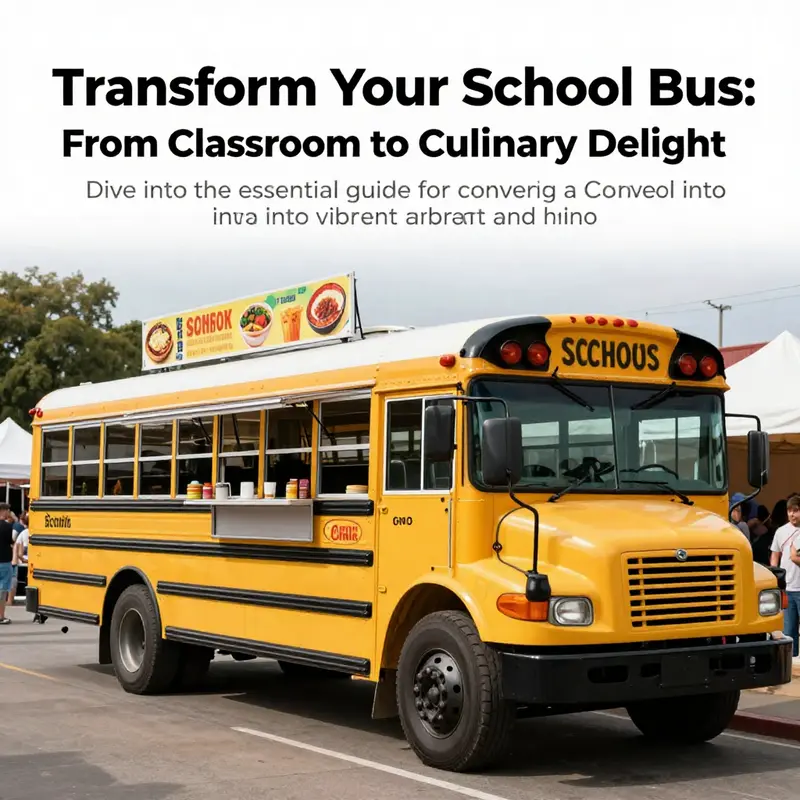
The allure of food trucks has captivated streets across the globe, inviting food enthusiasts to explore diverse flavors on the move. Among the most creative and memorable approaches to this culinary trend is the transformation of a school bus into a food truck. This unique venture not only provides a platform for delicious meals but also a distinctive brand presence. Committed hobbyists, car modifiers, and professional tuners alike can partake in this exciting project, but they must navigate through various considerations. In the upcoming chapters, we will delve into the crucial legal and regulatory aspects needed for compliance, the optimal designs and layouts that ensure a functional kitchen space, the financial insights that disclose conversion costs, the operational challenges businesses may face, and finally, inspiring case studies that celebrate successful transformations of school buses into vibrant food trucks. Brace yourself for an enriching journey through the world of food truck conversion!
From Wheel to Grill: Navigating the Legal Labyrinth of Turning a School Bus into a Food Truck
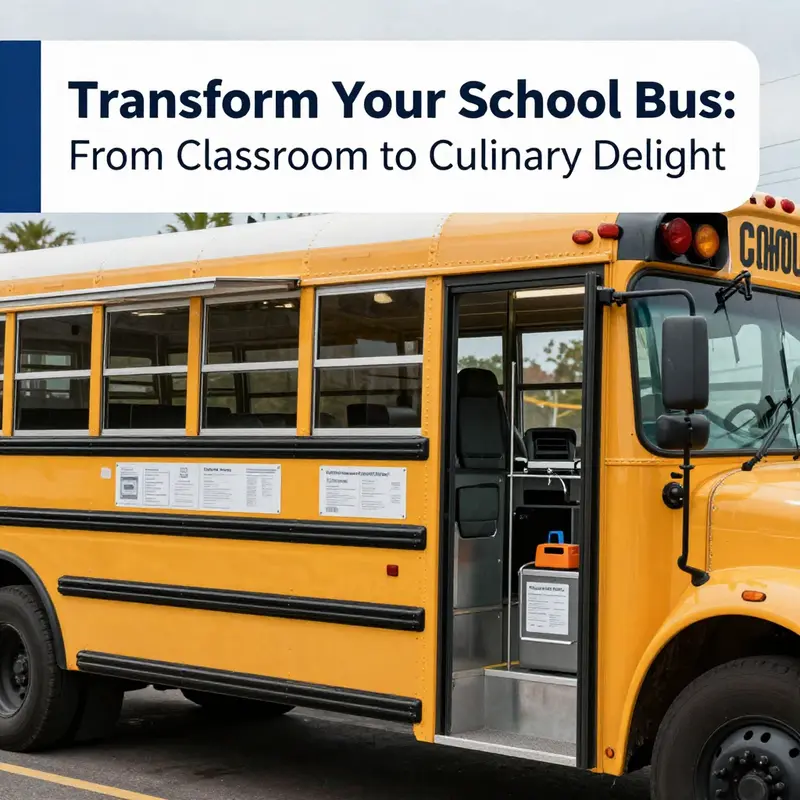
Converting a school bus into a food truck is as much a legal journey as a culinary one. The project sits at the intersection of vehicle safety, health standards, and the local rules that govern where and how food can be sold. The same bus that once carried students to class can become a bright, mobile kitchen that lands in markets, at festivals, and along busy streets. But the transformation demands careful navigation of a complex regulatory landscape that shifts from coast to coast and even from one city to the next. A thoughtful, well-planned approach begins with the same clarity you would use to design a kitchen: what must be true for safety, sanitation, and legality, and what steps must follow to prove it.\n\nAt the federal level, the foundation is safety. School buses were built to transport children, not to host commercial cooking equipment. Modifying a bus means testing against Federal Motor Vehicle Safety Standards to ensure the structure remains sound after changes. The vehicle must still perform reliably in areas that matter most to road safety: lighting, brakes, tires, and seat belts where applicable. Fire safety also looms large. Installing a commercial kitchen increases the risk of fire and requires proper suppression systems and clear egress paths. Even the ventilation and exhaust systems face scrutiny, since they must handle grease and smoke without compromising the bus’s integrity or creating hazards for nearby pedestrians. If the engine or exhaust is altered, environmental regulations from the Environmental Protection Agency come into play. Emissions, fuel system modifications, and potential changes to fuel economy must be considered, especially in regions with strict air quality standards.\n\nBeyond the vehicle itself, the converted bus becomes a commercial enterprise on wheels. This triggers a regime of registration and insurance that differs from a standard vehicle. The bus is typically registered as a commercial vehicle, often with a distinct plate and insurance policy that reflects its use as a mobile food unit. In practice, this means securing coverage that addresses both general liability and property damage, plus any business interruption protections that lenders or partners may require. The accounting and record-keeping side grows as well. A clear trail of modifications, inspections, and permits helps satisfy lenders who want assurance that compliance is ongoing and verifiable. It also supports audits by authorities should questions arise about the vehicle’s current status or the way it has been operated in the field.\n\nState and local regulations add layers that are both practical and nuanced. Mobile food vending rules vary dramatically by municipality. Some places view the bus as a traveling kitchen and require temporary permits for each location, while others designate specific zones where food trucks may operate. Zoning matters are often tied to where the vehicle can park and sell, not merely to what it has become. Health department permits are non-negotiable. The kitchen must pass a rigorous inspection that verifies sanitation practices, proper refrigeration, hot water availability, handwashing facilities, and waste disposal procedures. The standards are designed to prevent contamination and to ensure that every bite offered to the public meets basic safety criteria. Inspections typically assess the cleanliness of the kitchen, the maintenance of cold storage, the ability to separate raw and cooked foods, and the management of waste streams, including grease and wastewater.\n\nBuilding and fire codes are not abstract theories in a garage or a classroom. They translate into concrete design requirements and verified documentation. The interior layout should facilitate safe egress in emergencies, and materials used in the build should be fire-resistant and non-toxic. Some jurisdictions require a certified engineer’s review for major structural changes, especially when the bus’s frame or roof integrity is altered to accommodate kitchen equipment or heavy ventilation hoods. Early consultation with the local health department, fire marshal, and planning office helps map out these expectations. Engaging early can prevent expensive rework later on. A practical approach is to sketch the proposed layout with attention to the placement of cooking equipment, sinks, handwashing stations, and grease containment. The closer the plan aligns with local codes from the outset, the smoother the path to approvals.\n\nCosts are a reality at every turn. The price tag for buying a bus is only the beginning. Professional design and engineering work to convert the bus into a safe, compliant kitchen can be substantial. Equipment costs, installation, and the necessary permits and inspections create a cumulative budget that grows quickly if one bypasses steps or misreads requirements. Financing often hinges on demonstrated regulatory compliance. Investors and lenders want evidence of a solid compliance program, including maintenance schedules and documented inspections. This is where meticulous record-keeping becomes a competitive advantage, not just a regulatory obligation. An organized dossier showing the bus’s modifications, inspections, and permits supports both funding discussions and ongoing audits.\n\nDesign and operational planning intersect with regulation in meaningful ways. A commercially viable mobile kitchen must incorporate a reliable water supply, hot water for sanitation, and a wastewater management plan that protects the environment and adheres to local rules. The interior must be configured to separate raw ingredients from cooked products, with physical barriers and dedicated storage to minimize cross-contamination. Ventilation is not a cosmetic feature but a critical safety system. It handles heat, smoke, and vapors produced by frying and grilling, and it must meet local standards for air quality and fire safety. Utilities, including electrical power from a generator or shore power, and the supply of potable water, should be sized to support peak service without overstressing the electrical system or causing outages during a busy service window. These practicalities ripple into operations: the layout affects workflow, service speed, and even the comfort of staff who will be working in tight quarters.\n\nThe regulatory journey is not merely about checking boxes. It compels a mindset of compliance that can shape every decision from the bus’s exterior branding to the choice of equipment. Understanding the rules early helps avoid delays and reframes risk as a structured pathway to success. An effective strategy combines diligence with collaboration—reaching out to health departments, city planners, and fire services before buying or gutting a bus. The National Food Truck Association and similar organizations offer guidance, but real value comes from conversations with the people who issue the permits in your community. This is not only about staying out of trouble; it is about building a business that can operate consistently, safely, and legally across days, events, and locations.\n\nFor further reading on how regulatory considerations play out in similar ventures, a resource that sheds light on the practicalities of starting mobile food operations in communities with strong local rules is linked to a practical guide focusing on Latino food truck startups. This internal reference helps frame how a diverse set of operators approach permits, inspections, and ongoing compliance in real-world settings. Legal considerations for Latino food truck startups\n\nAs you map the path from chassis to kitchen, you will also encounter a wider ecosystem of information. Federal guidance remains the backbone, but state and local codes define the day-to-day reality of where and how a bus can operate as a food venue. Early planning, transparent budgeting, and robust documentation help keep the project on track. The aim is not to simplify the law but to illuminate how it translates into a viable business model. A converted school bus can become a distinctive, high-visibility platform, but only if it is built, registered, and operated within a framework that protects customers, staff, and the public right of way. The essence of success in this venture is not the gleam of the kitchen doors alone, but the confidence that every inch of the bus, from bumper to vent hood, meets the standards that keep the wheels turning and the customers coming back.\n\nExternal resource: For federal guidance, see the U.S. Department of Transportation’s official site. https://www.transportation.gov
From Bus to Brisket on Wheels: Designing a Safe, Efficient Mobile Kitchen
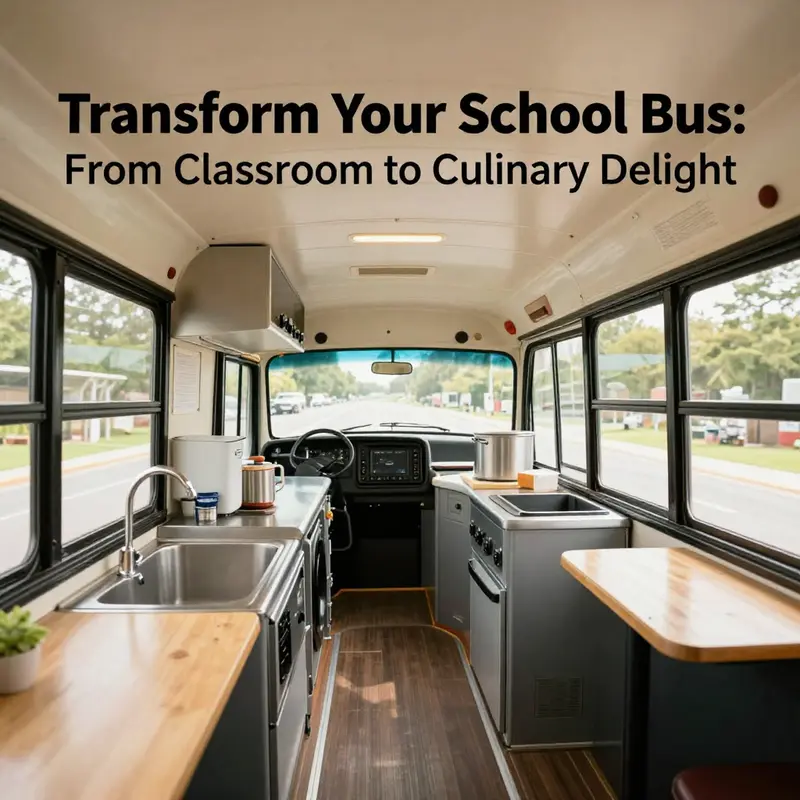
Turning a school bus into a food truck is a deliberate engineering project that respects the bus’s safety design while reconfiguring its interior for kitchen work. The bus’s steel structure remains the backbone, and any cutting or modifications should be performed by qualified professionals with an eye toward integrity and compliance. Fire safety and ventilation sit at the top of the priority list, with a compliant fire suppression system, Life Safety Code-compliant electrical work, and an exhaust system that removes heat and grease vapors. The interior layout should support a safe workflow: prep, cooking, service, and cleaning arranged to minimize steps and cross-contamination. The kitchen triangle concept is adapted to a compact space, with sinks, refrigeration, and cooking surfaces positioned to optimize efficiency while maintaining safety.
Materials matter: non-porous, easy-to-clean surfaces such as stainless steel, sealed flooring, and vibration-resistant mounting for equipment. Durable finishes withstand frequent cleaning and movement. Equipment choices should be compact and modular: convection oven, under-counter refrigeration, space-saving griddles, and a dishwasher or pot-wan if space allows. The aim is to integrate equipment into a cohesive workflow rather than simply fitting appliances into a bus. Brand-consistent finishes can help attract customers while meeting sanitation standards.
Utilities are the lifeblood of a mobile kitchen. Adequate electrical supply for high-demand appliances, ventilation, and lighting is essential; generators and shore power can be used as needed. A reliable water supply with hands-free handwashing, hot water, and a plan for waste disposal is required. Greywater management, grease traps, and appropriate waste lines must be designed so washing does not threaten the vehicle’s interior or the environment. Plan for maintenance with accessible service panels and backflow prevention in the plumbing system.
Regulatory considerations mean permits and inspections at the local, state, and federal levels. Health department permits, fire department inspections, and vehicle safety inspections are common prerequisites. Compliance programs may require specialized plates, mobile vendor permits, and annual safety checks. The National Highway Traffic Safety Administration provides guidance on bus safety, and many jurisdictions require ongoing inspections of modifications affecting vehicle safety. Work with engineers, licensed electricians and plumbers, and experienced food operators to map a path from concept to compliant operation.
Finally, a successful bus kitchen balances design ambition with practicality and compliance. A well-planned interior with clear sanitation zones, easy cleaning, and durable materials gives you a space that can travel to events while maintaining safety and efficiency. The result is a mobile kitchen that tells a story of culinary entrepreneurship without compromising the bus’s tested safety foundations.
Budgeting a Skoolie Kitchen: From Bus to Mobile Eatery
Turning a bus into a skoolie kitchen is a budget story as well as a design project. The budget starts with the bus and moves through interior construction, electrical, plumbing, and the core kitchen equipment. Upfront capital covers the purchase, interior finishes, and essential safety and compliance costs. Hard costs include the bus purchase price, insulation and cabinets, plumbing rough-ins, and the primary cooking and refrigeration gear. Soft costs cover permits, inspections, licenses, drawings, project management, and contingency funds. Ongoing obligations include insurance, maintenance, fuel, tires, and licensing renewals. A disciplined plan staggers purchases to align capital with revenue and reduces risk. Align the menu and service model with the space to minimize rework and control costs. The takeaway: know the baseline costs, plan for contingencies, and map every expense to a realistic revenue forecast so the truck can travel to events reliably and legally.
From Bus to Booth: Navigating the Operational Hurdles of Converting a School Bus into a Food Truck
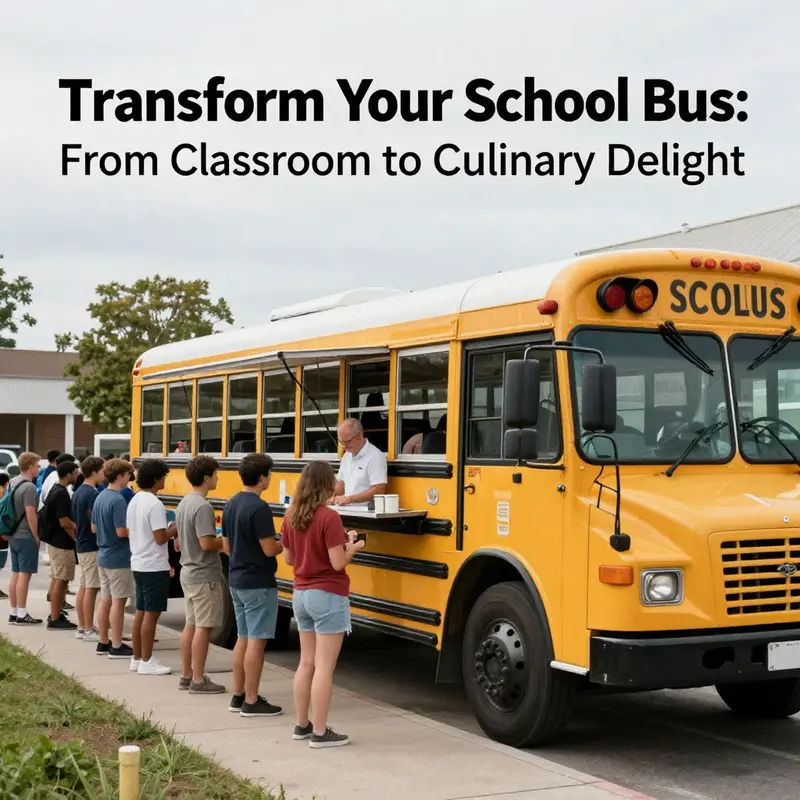
A school bus is more than a vehicle; it is a remarkably livable, surprisingly adaptable space that can, with intention, become a bustling kitchen on wheels. The transformation invites a compelling narrative of ambition, design, and logistics. The interior that once carried students to class can be redesigned to carry flavors to markets, festivals, and curbside nights. Yet the journey from imagination to sidewalk service is not a linear dream. It unfolds as a disciplined program of safety, permits, power, and practical operations. The bus offers generous square footage, which is a tangible advantage for arranging a commercial kitchen, multiple work zones, and storage that keeps perishables in cold assurance. But real life on the road requires more than a gleaming layout and a clever concept. It demands a workflow where every modification, every appliance, and every service interaction aligns with rigorous standards of safety, hygiene, and legal compliance. Only then does the eye-catching exterior translate into reliable, repeatable revenue across weather, traffic, and changing permits.
Compliance with vehicle safety and road regulations stands at the core of any credible conversion. The bus must remain, above all, roadworthy. That means preserving structural integrity when installing kitchen components and ensuring the vehicle still meets weight, width, and height rules for operation. In many jurisdictions, altering the body or chassis triggers scrutiny from the department that licenses and inspects vehicles. A new kitchen isn’t a cosmetic upgrade; it is a redefinition of the vehicle’s purpose, and it may require formal approval, stamped plans, and a roadworthiness certification. Fire safety cannot be an afterthought, either. A properly mounted fire extinguisher, adherence to grease containment standards, and a robust exhaust system that vents smoke without recirculating it into the customer area are essential. The documentation trail—MODIFICATIONS, inspections, and signage—will be reviewed when you apply for licensure, and any gap can stall a launch or risk a shutdown in operation.
Permits and licenses form the regulatory skeleton of a mobile kitchen from a school bus. Operating a food truck goes beyond vehicle registration. A business license sets the foundation for lawful commerce, while a food handler’s permit verifies staff training in safe preparation practices. A mobile food vending permit, often issued by the local health department or public health agency, confirms that the kitchen meets sanitation, waste disposal, and equipment maintenance standards. The health inspection is a diagnostic that covers surfaces and materials used in food preparation, the reliability of refrigeration, the effectiveness of cleaning and sanitizing routines, and the separation of raw and ready-to-eat products. Ventilation must handle grease and heat without compromising indoor air quality. The kitchen layout needs certified surfaces, a dependable water supply, and proper waste management systems. Propane, electricity, or a hybrid energy model introduces another layer of licensing considerations, as you must show safe fuel storage, secure mounting of cylinders, and clear separation between fuel storage and food prep zones. For operators exploring the broader landscape of regulatory considerations, a concise resource on the topic can be found here: Legal considerations for Latino food-truck startups.
Design and layout decisions determine whether the bus becomes a productive kitchen or a cramped bottleneck. Inside the bus, the interior must be reimagined to create distinct zones for prep, cooking, hot holding, cold storage, dishwashing, and a customer-facing service window. The aim is to regulate workflow so that one task flows into the next without cross-contamination or inefficient handoffs. Commercial-grade cooking equipment—stoves, grills, fryers—must be sized to the space and wired to a power system that can sustain peak service. Ventilation and exhaust systems are not optional; they are mandatory to control heat, smoke, and odors and to ensure worker comfort and compliance with codes. Water supply and drainage require careful planning. A sink suitable for cleaning, paired with proper wastewater disposal, is a cornerstone of hygiene compliance. The electrical system must be robust enough to support refrigeration units, lighting, and cooking appliances, with safety features like circuit breakers and proper grounding. The aesthetic of the kitchen matters, too: easy-to-clean surfaces, smart storage solutions, and a layout that minimizes motion fatigue for staff all contribute to a smooth operation across long days and crowded events.
Power management sits at the intersection of reliability and cost. A mobile kitchen consumes electricity in bursts—refrigeration cycles, heat, lighting, and pumps all demand a steady supply. Generators offer independence and reliability but impose noise and fuel costs that guests may notice more than the menu. Battery banks coupled with solar panels present an appealing, quieter option but require upfront investment and careful energy budgeting. Shore power, when available at events or permitted locations, can dramatically simplify operations, but it may limit where you can operate and require a weatherproof, connectable infrastructure. A balanced approach often works best: a primary power source that provides stable energy during service, with a backup plan that ensures refrigeration never falters if you encounter a longer-than-expected wait at a venue. The electrical design must be engineered to prevent overloading circuits, protect sensitive equipment, and allow quick shutoffs in an emergency. These considerations are not theoretical. They shape daily service, impact menu choices (which appliance you can run simultaneously), and influence the pace and quality of service you can deliver.
Operational logistics add a continual strain of location, timing, and customer flow. The bus can be a dramatic centerpiece at events, but parking and staging are not free of friction. Zoning rules, permit restrictions, and designated mobile vendor zones vary widely by city. Some municipalities concentrate mobile food activity in specific districts or event hubs, while others struggle to balance traffic, street closures, and pedestrian safety. Securing a steady stream of parking sites requires relationship-building with event organizers, property managers, and local authorities. Inventory control looks straightforward on paper but becomes intricate in practice. You must monitor perishables, dry goods, and packaging for a rotating schedule of events, which may demand rapid restocking or on-site procurement at markets. The customer experience in a bus-turned-kitchen hinges on service speed and accuracy. A narrow service window tests order flow, while a well-structured prep area helps maintain portion consistency and reduces the risk of cross-contamination. Integrating a simple, repeatable process—food safety handoffs, order assembly, and packaging—can differentiate a thriving mobile kitchen from a stumbling novelty.
The economic calculus of converting a bus into a food truck is as important as the technical one. The initial investment includes the bus itself, the engineered layout, and the installation of commercial equipment. There are fees for design reviews, inspections, and permits, plus ongoing costs for maintenance, fuel or power, insurance, and depreciation. Yet the payoff can be compelling: a high-visibility platform that travels to audiences rather than waiting for foot traffic at a fixed storefront. The freedom to align with events, markets, and peak times can translate into premium pricing and a distinctive brand narrative, especially when the bus’s exterior becomes a rolling billboard. Real-world stories, when studied, offer practical lessons about what to expect and how to adapt. For readers seeking a deeper regulatory lens, the route through official guidelines and local ordinances is essential, and a broader look at the legal framework can be found in the referenced resource above, as well as local health department guidelines that govern on-site preparation and waste disposal.
In pursuing this path, aspiring operators should approach the project as a phased journey rather than a single leap. Begin with a clear feasibility assessment that maps out required permits, potential site partners, energy needs, and a rough budget. Then engage engineers and qualified tradespeople who understand both vehicle modifications and commercial kitchen code requirements. A thoughtful design process will yield a layout that supports safe work practices, meets hygiene standards, and creates a compelling customer experience. Finally, cultivate a network of support—from legal counsel familiar with mobile vending to health inspectors who can offer early guidance—so that when the bus doors open, the kitchen doors follow with confidence rather than complication. As with any ambitious venture, the blend of creativity, compliance, and practical systems determines not only the first launch but the durability of the enterprise as it travels from one community to the next. For broader context on how these considerations fit into the Latino mobile-food landscape, see the resources linked above, and consider exploring the varied profiles and experiences of veteran operators to glean practical insights that extend beyond theory.
External resource: https://www.fda.gov/food
Bus-to-Brand on Wheels: Case Studies in Mobile Food Ventures
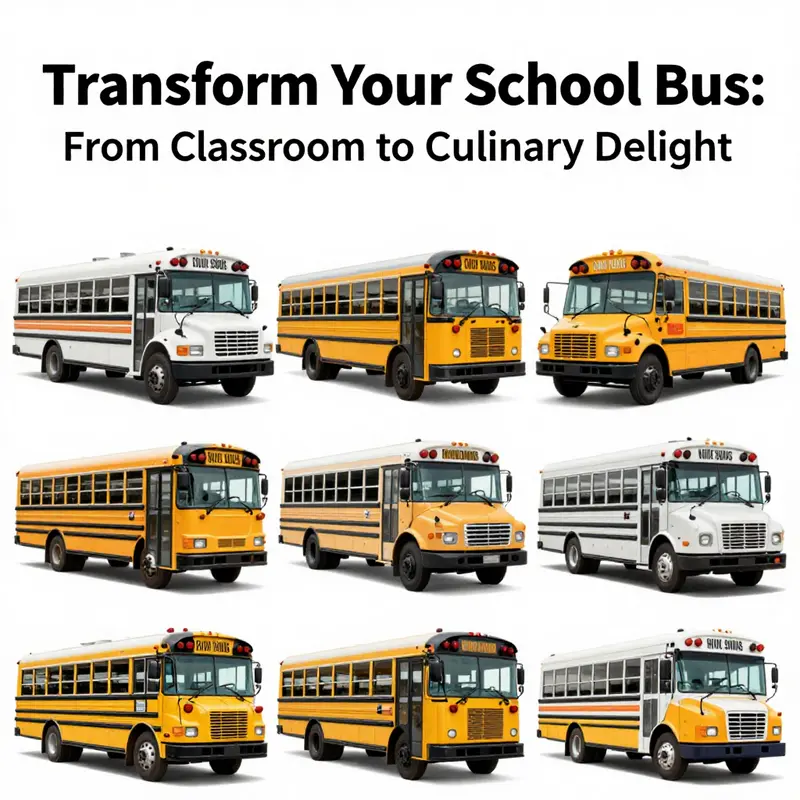
Across cities and continents, the mobile food movement has found a surprising ally in repurposed buses. Instead of parked in a lot, these vehicles roll through neighborhoods, campuses, and festival grounds to serve food with a kinetic, never static presence. The appeal rests on simplicity of form paired with a disciplined approach to safety, sanitation, and reliability. When designers, cooks, and operators align on routines and permits, a once idle asset becomes a dynamic platform for community dining and entrepreneurial growth.
In the first scenario, a purpose built bus operates as a small kitchen on wheels at school events. The exterior uses bold color blocks and clear signage to attract families, while the interior houses a compact prep zone, hot and cold lines, and a robust exhaust system. The design prioritizes easy cleaning, accessible handwashing, and a simple flow from order to pickup. The result is a dependable venue that can participate in school fairs, athletic meetups, and after school programs, providing consistent options for students while keeping procurement and delivery efficient.
Nearby, municipal planners see buses as a solution for food access. Retired buses are retrofitted with compact kitchens and dining spaces and then dispatched to neighborhoods where residents travel far for meals. A courteous staff greets guests, guides them to a clean dining area, and manages payment with easily understood, mobile friendly options. The emphasis is on service design as much as cuisine: a calm, welcoming space where neighbors can share a quick bite and a moment of social connection, without the friction of long trips to a central market.
In another setting, a city with a vibrant outdoor events calendar uses a fleet of buses as on site snack hubs. Painted in a signature green, the vehicles carry a curated assortment of grab and go items and a simple, repeatable layout that makes training fast and operations predictable. The proximity to participants reduces downtime and keeps energy levels high, turning a long day of activities into a sequence of small, reliable refreshment moments.
Together these stories illustrate a broader principle: converting a bus into a food venue is less about novelty than about a clear plan for safety, design, and service flow. Before any equipment arrives, operators navigate safety inspections, health permits, and vehicle modifications, ensuring a hygienic kitchen, safe electrical and water systems, and a waste management plan. The business model benefits from flexibility, enabling venues to adapt to school functions, parks, fairs, and corporate events while spreading risk across different settings.
For readers considering a mobile kitchen, the takeaway is practical and scalable: define the mission, understand local regulations, and design with cleanability and resilience in mind. A successful bus kitchen is not merely a showpiece; it is a repeatable, dependable space where cooks can work efficiently, customers can access meals with ease, and communities can rally around a shared moment of nourishment.
Final thoughts
Transforming a school bus into a food truck isn’t just about modifying a vehicle; it’s about creating a vibrant culinary identity that stands out in a crowded market. By understanding the legal frameworks that govern your business, designing an efficient cooking space, navigating the financial commitments involved, and tackling the operational hurdles, you can turn this unique project into a profitable venture. As we’ve seen through inspiring case studies, creativity and dedication fuel the journey of many successful food truck owners. Armed with knowledge and passion, you’re ready to embark on this flavorful adventure, bringing your culinary dreams to life on wheels.