
Introduction
The vibrant world of food trucks has rapidly captured the culinary imagination of food enthusiasts around the globe. These mobile kitchens offer not just a meal, but an experience that transcends traditional dining. Each truck tells a unique story, whether it’s the bold flavors of Street Tacos from a Latino food truck or the artisanal delights of gourmet burgers. The allure of food trucks lies in their ability to bring diverse cuisines to the streets, making gourmet food accessible to everyone, and cultivating a community around shared culinary adventures.
As food trucks continue to gain traction in urban landscapes, the financial prospects of operating one have become increasingly attractive. Many aspiring entrepreneurs are drawn to the food truck phenomenon, not only due to the creative freedom it offers but also because of its potential profitability. According to various sources, an average food truck can generate annual revenues anywhere from $250,000 to upwards of $500,000, depending on location, cuisine, and operational model. This promising earning potential, paired with the flexibility of working on wheels, has made the food truck industry a popular choice for both seasoned restaurateurs and enthusiastic newcomers alike.
For those considering venturing into the world of food trucks, understanding the financial landscape is crucial. From the investment in equipment and supplies to the intricacies of licensing and local regulations, navigating this entrepreneurial path requires careful consideration. With the right approach and passion, operating a food truck can become not only a lucrative business but also a satisfying way to share culinary culture. Learn more about the diversity of Latino food trucks and how they are influencing local food scenes.
Food Truck Revenue Streams
Food trucks have become a vibrant part of the culinary landscape, generating substantial incomes through a variety of revenue streams. Here’s a breakdown of the primary ways food trucks can capitalize on their operations:
-
Food Sales: The most conventional and significant revenue stream, food sales involve selling items directly to customers from the truck. Popular menu items often include gourmet tacos, BBQ, and fusion cuisine that cater to local tastes.
-
Catering Services: Food trucks can expand their reach by offering catering for private events such as weddings, corporate gatherings, and parties. Many trucks cater their menus to suit the occasion, providing unique options that traditional catering services may not offer.
-
Special Events and Festivals: Participating in local events, music festivals, and fairs can generate a significant boost in sales. These gatherings often attract large crowds, allowing food trucks to reach more potential customers in a single event.
-
Partnerships with Businesses: Collaborating with breweries, wineries, or local businesses can create strategic partnerships that allow food trucks to operate at their venues, expanding their customer base. These collaborations can include exclusive food offerings and promotions.
-
Merchandising: Some food trucks have successfully increased their revenue by selling branded merchandise such as t-shirts, hats, and reusable containers. This not only generates additional income but also promotes brand awareness.
-
Online Sales and Delivery Services: Many food trucks have turned to e-commerce and delivery services to expand their reach. Offering online ordering for pickup or partnering with food delivery apps can capture a broader audience.
The diverse revenue streams available for food trucks not only enhance their income potential but also create a dynamic business model that can adapt and grow with market demands. To delve deeper into the food truck scene, learn more about the top Latino food truck dishes and explore various profiles of veteran food truck owners who share their insights and experiences in this industry.

Key Factors Influencing Food Truck Earnings
Earnings of food trucks can vary significantly based on a multitude of factors. Understanding these can play a crucial role in achieving financial success. Here’s a detailed look at the key factors influencing food truck earnings:
1. Location
Location is critical for food truck success. High-traffic areas with substantial pedestrian flow, such as downtown districts, event venues, or markets, can lead to higher sales. According to various sources, food trucks positioned near popular attractions, during public events, or in areas where people frequently gather typically experience increased income. Cities also impose different regulations impacting where trucks can operate, with some areas requiring fees or permits that influence overall profitability. For further insight, discover the best cities for Latino food trucks.
2. Menu Pricing
The structure of your menu pricing can significantly impact your earnings. Pricing should reflect not only ingredient costs but also perceived value and market demand. Offering unique dishes can justify higher prices, while a broad menu appeals to diverse customer preferences. Keeping track of competitors and adjusting pricing accordingly helps in maximizing your profits. Moreover, using seasonal ingredients can lower costs, enabling competitive pricing that attracts more customers.
3. Operating Costs
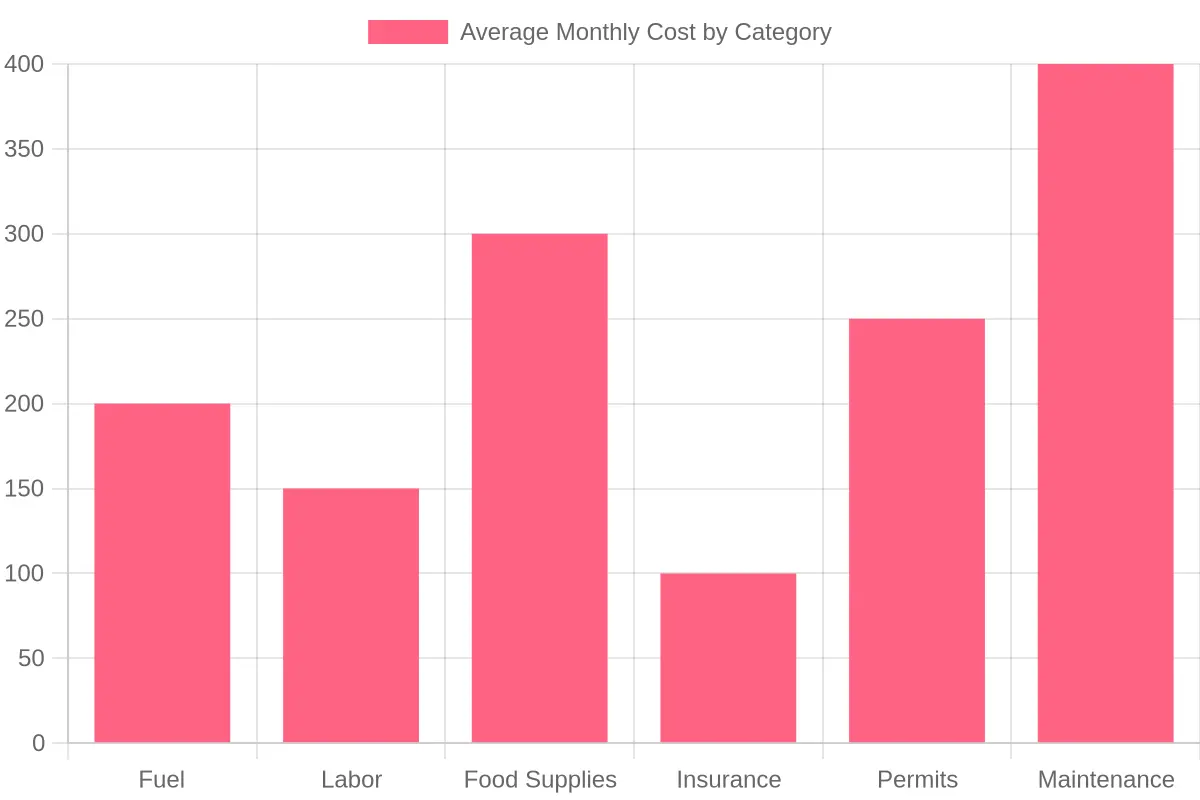
Operating costs can take a large chunk out of earnings if not managed efficiently. Key expenses include:
- Fuel: Typically ranges between $300 to $1,000 per month based on usage.
- Food Supplies: This cost can fluctuate substantially with local market prices.
- Labor: Wages depend on the size of your team and local labor laws, often averaging between $2,500 to $5,000 per month depending on hours worked.
- Insurance and Permits: Necessary for legal operations, the costs vary by location but can add another $200 to $800 per month.
- Maintenance: Regular maintenance of equipment and the food truck itself is vital; budget around $300 monthly.
This results in average monthly operating costs (visual representation below) showing how much each category impacts the overall expense:
4. Marketing Strategies
Effective marketing strategies can significantly affect a food truck’s visibility and earnings. Engaging local customers through social media, collaborating with local businesses/events, and implementing loyalty programs can attract more customers. Utilizing targeted promotions and keeping customers informed about locations and menu changes plays a pivotal role in maximizing visibility and sales. For innovative marketing strategies, check out this helpful resource.
In summary, food truck owners must carefully consider location, menu pricing, operating costs, and effective marketing to optimize their earnings. By balancing these factors and remaining adaptable to market changes, food truck entrepreneurs can achieve sustainable financial success in this competitive landscape.
Comparison of Food Truck Expenses and Revenue
| Expense Category | Estimated Costs | Potential Revenue |
|---|---|---|
| Initial Investment | $20,000 – $100,000 | |
| Permits & Licenses | $1,000 – $5,000 | |
| Kitchen Equipment | $10,000 – $30,000 | |
| Labor (Monthly) | $3,000 – $10,000 | |
| Food Supplies (Monthly) | $3,000 – $7,000 | |
| Marketing | $500 – $2,000 | |
| Insurance | $500 – $2,500 | |
| Total Monthly Expenses | $8,500 – $24,500 | |
| Average Annual Revenue | $250,000 – $500,000 |
Explanation
- Initial Investment: This represents the cost of purchasing or retrofitting a food truck, which can vary significantly based on condition and specifications.
- Permits & Licenses: Required fees that vary by locality.
- Kitchen Equipment: Essential for food preparation and serving.
- Labor Costs: Employee salaries, which can fluctuate based on the number of staff and pay rates.
- Food Supplies: Monthly expenditure on ingredients may depend on menu variations.
- Marketing: Expenses related to promotions and advertising.
- Insurance: Essential protection for liabilities and damages.
Insights
- Profit Potential: The average food truck can bring in between $250,000 to $500,000 annually, especially in high-traffic areas.
- Establishing a Budget: It’s critical for food truck operators to understand their potential expenses and plan accordingly to ensure profitability.
For more insights into managing your food truck business, consider reading about legal considerations for Latino food truck startups or success stories of veteran food truck owners.
The Inspiring Success Story of “Taco Nomad”
In a vibrant city filled with food options, two friends, Alejandro and Miguel, decided to take a leap of faith and start their own food truck. They named it “Taco Nomad,” inspired by their love for traveling and exploring diverse culinary traditions. Within just a few years, this food truck transformed from a modest startup to a thriving business, earning over $250,000 annually.
The Journey Begins
Starting in 2018, Alejandro and Miguel faced numerous challenges, from acquiring permits to perfecting their taco recipes. The initial investment of about $50,000 included purchasing a used food truck, equipment, and initial inventory. They focused on authentic Mexican flavors, sourcing high-quality ingredients and family recipes.
As their operations began, the duo quickly learned the importance of location. They strategically parked their truck in busy areas during peak hours, which resulted in a steady stream of customers. Their unique branding, featuring vibrant colors and catchy slogans, helped them stand out in a competitive market.
Effective Marketing Strategies
To promote their food truck, Alejandro and Miguel embraced social media. They created an Instagram account and began posting mouth-watering photos of their tacos along with engaging stories about their journey. They also encouraged customers to tag their food truck in their posts, effectively creating organic buzz. This approach not only built a solid online community but also attracted food bloggers and local influencers.
The duo participated in local food festivals and community events, where they had the chance to showcase their tacos to a larger audience. Partnerships with local breweries also helped them tap into new customer bases, combining drinks with delectable food options.
Diversification and Adaptability
Recognizing the importance of versatility, Taco Nomad expanded their menu to include vegetarian and vegan options. This move attracted a broader customer base, increasing sales and enhancing their brand’s reputation as inclusive and adaptable to customer preferences. They also created seasonal tacos that celebrated local events and festivals, keeping their menu fresh and exciting.
Lessons Learned
- Know Your Market: Understanding local tastes was crucial. Taco Nomad thrives because they listen to their customers and adjust their menu accordingly.
- Engagement is Key: Building relationships with customers through social media and community involvement created loyal patrons and fanfare.
- Never Stop Innovating: Regularly updating their menu and offering unique specials allowed them to maintain interest and pique curiosity among potential customers.
The Result
With consistent effort and dedication, Taco Nomad now grosses over $250,000 every year, consistently catering to both locals and tourists alike. Alejandro and Miguel have not only established a successful food truck but have also become part of a larger community of food entrepreneurs, often sharing their insights and experiences with aspiring food truck owners.
They emphasize the importance of hard work, passion, and the willingness to adapt. Alejandro often says, “Every taco tells a story,” a motto that serves as a constant reminder of why they started.
Their journey serves as an inspiring testament to the food truck industry’s potential for success, illustrating how creativity, strategic planning, and community engagement can lead to remarkable achievements while fostering a love for culture and cuisine.
Discover more success stories from food truck entrepreneurs.
Learn essential steps to starting a food truck business.
“Running a food truck is a leap of faith in terms of financial commitment. You can plan budgets meticulously, and then one unexpected expense can leave you out of cash. Navigating local health codes and permits feels like a full-time job on its own. The income can be unpredictable; one week, you might have an outstanding return, and the next, it can be a drought. But the connections you make and the joy of serving good food to the community is what keeps me going.” – A dedicated food truck owner
This quote adds an authoritative voice to your discussion about the financial dynamics and challenges of running a food truck. It paints a passionate yet realistic picture that aligns perfectly with your target audience’s interest.
Common Misconceptions About Food Truck Earnings
Running a food truck is often idealized as a lucrative venture, but many misconceptions float around regarding how much money these operations truly make. Here, we clarify some common myths versus the realities of food truck earnings.
-
Myth: Food trucks make tons of money easily.
Reality: While food trucks can be profitable, earnings vary widely based on multiple factors such as location, menu, and operational costs. The average food truck generates between $250,000 to $500,000 in annual revenue, but this can drop significantly in less favorable locations. -
Myth: All food trucks generate the same profits.
Reality: Profitability varies broadly among food trucks. Some elite models can earn upwards of $1 million, while others may only net $24,000 to $153,000 annually depending on service strategies and market demand (source). -
Myth: Food trucks operate at low costs.
Reality: Initial start-up costs can be hefty, with expenses such as permits, licenses, insurance, and maintenance eating into potential profits. Ongoing costs including food supplies, employee wages, and parking fees can also accumulate quickly. Furthermore, food trucks can see net profit margins of 6-9% (Food Truck Lease). -
Myth: You can just park anywhere and earn.
Reality: Food trucks face strict regulations regarding where they can operate. Zoning laws and permit requirements vary by city and can restrict accessibility to high-traffic areas. These regulations impact potential earnings significantly, making strategic location decisions crucial (Legal Considerations for Latino Food Truck Startups). -
Myth: Seasonal variations don’t impact earnings.
Reality: Weather and seasonal events can greatly affect consumer behavior. Many food trucks experience dips in earnings during winter months or rainy seasons, while summer and local festivals can lead to spikes in income. Keeping track of seasonal trends is essential for optimizing earnings. -
Myth: Once established, a food truck requires no effort.
Reality: Continuous effort in marketing, menu innovation, and customer engagement is vital for maintaining and growing a food truck’s customer base. Food truck owners must adapt to changing tastes and local competition to ensure ongoing success (Work-Life Balance for Food Truck Entrepreneurs).
In summary, while food trucks offer a unique and exciting business opportunity, potential owners must navigate various challenges. For a more extensive look at how food trucks can succeed, check out our insights on top Latino food truck dishes.
In conclusion, embarking on a food truck venture offers exciting potential for aspiring entrepreneurs. While the average food truck earnings typically range between $250,000 to $500,000 annually, success hinges not only on delicious offerings but also on diligent planning, strategic location choices, and an understanding of the market dynamics. The food truck industry has proven to be resilient, even amidst challenges such as fluctuating food prices, regulatory restrictions, and shifting consumer preferences. These factors call for a clear business plan and an adaptable approach to operations.
Key Takeaways:
- Earnings Potential: Food trucks can generate impressive revenues, particularly with a well-defined niche and a loyal customer base.
- Strategic Locations: Success often depends on locating high-traffic areas, which allows for capturing significant footfall.
- Market Adaptability: The ability to swiftly adjust to consumer preferences and trending food fads plays a crucial role in keeping the business alive and thriving.
- Overcoming Challenges: Awareness of potential obstacles such as regulatory hurdles and effective pricing strategies is essential for long-term profitability.
As you consider stepping into this dynamic industry, refer to our legal considerations for Latino food truck startups to ensure compliance and a sound foundation for your business. Additionally, understanding work-life balance is vital, as managing a food truck is a labor-intensive venture that requires stability in both personal and professional realms.
The food truck business not only provides an outlet for culinary creativity but also cultivates the spirit of entrepreneurship. Much like tuning a classic car for peak performance, fine-tuning your food truck concept and operations will lead to robust success. With the right strategy, passion for food, and commitment, your food truck can carve out its niche and thrive in a competitive landscape. The revolution in dining options is upon us, and now is the time to capitalize on this trend!
By embracing these insights, you stand a better chance of thriving in this vibrant industry. So gear up, get inspired, and start planning your food truck journey today!
Average Annual Earnings of Food Trucks by Region
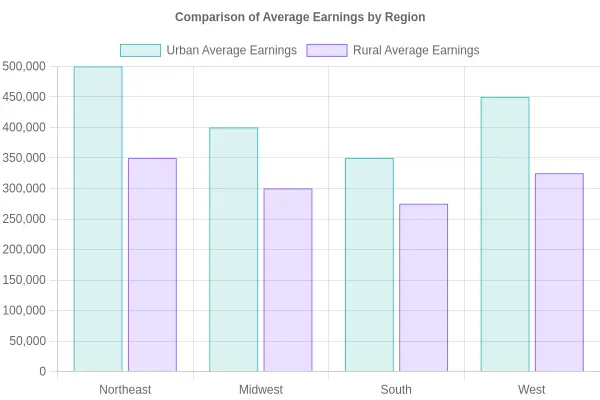
Earnings in the food truck industry can vary significantly based on location, type of cuisine, and market demand. The following chart illustrates the average annual earnings of food trucks across different regions of the United States, providing a clearer perspective on how urban and rural settings impact revenues:
| Region | Urban Average Earnings | Rural Average Earnings |
|---|---|---|
| Northeast | $500,000 | $350,000 |
| Midwest | $400,000 | $300,000 |
| South | $350,000 | $275,000 |
| West | $450,000 | $325,000 |
This comparison highlights that urban food trucks tend to thrive with higher annual earnings, influenced by factors such as greater foot traffic and more favorable local regulations. For more insights on operating food trucks, check out our article on life balance for food truck entrepreneurs. Additionally, explore the success stories of veteran food truck owners to glean extra inspiration and knowledge.