
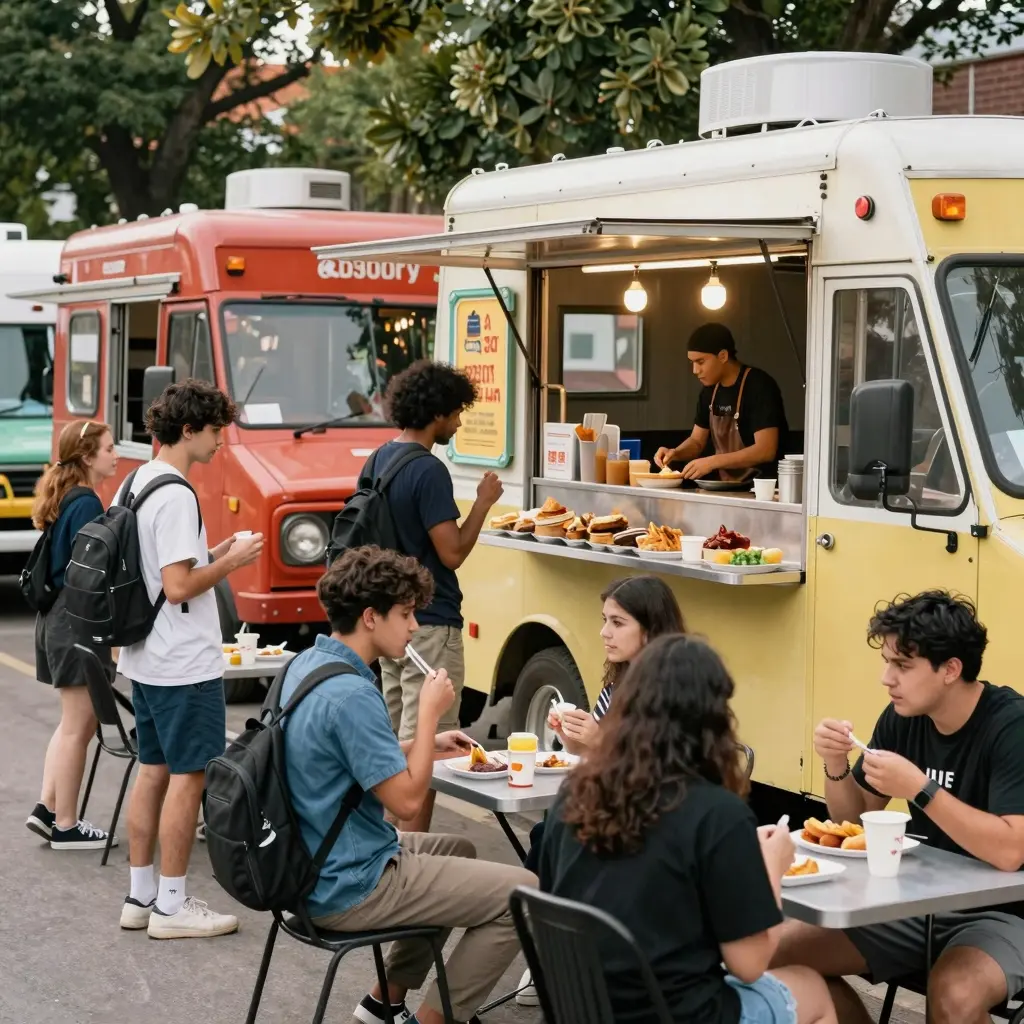
Introduction to Food Truck Parking Regulations
Imagine driving your newly modified car to a vibrant street festival, the aroma of delicious street food wafting through the air, enticing every passerby. Food trucks have revolutionized our culinary landscape, bringing diverse flavors to neighborhoods across the globe. Yet, hidden beneath this enticing surface lies a complex web of parking regulations that vary from one city to another. For hobbyist car modifiers and classic car restoration enthusiasts, the sight of creative mobile food vendors can stir a passion for both cuisine and the vehicles that deliver it. However, parking laws can significantly impact where these vibrant food trucks can operate, often leading to confusion and frustration for both vendors and food lovers alike.
Navigating the labyrinth of parking regulations, permits, and time restrictions is critical for food truck owners trying to make their mark in a competitive field. Understanding these rules is not just for food truck operators; it’s essential for those who love the culture surrounding them-including car tuners, auto parts suppliers, and enthusiasts alike. From zoning laws that dictate where food trucks can park to the potential fines faced when those regulations are ignored, each twist and turn in the legal journey can influence the local food truck scene.
Join us as we delve into the intricate relationship between food trucks, parking regulations, and how they resonate with your passion for cars, food, and entrepreneurship. Learn more about the best food trucks in major cities and explore how regulations shape this dynamic industry!
Food Truck Parking Rules by Location
As food trucks continue to gain popularity across the United States, understanding parking regulations is essential for operators. These rules vary significantly by city and state, impacting how food trucks can operate legally. Here is an overview of food truck parking regulations in some major cities:
| City | Permit Requirements | Parking Restrictions |
|---|---|---|
| New York City | Requires a Mobile Food Vendor License; comply with additional local permits | Must park at designated vendor locations; strict time limits apply. |
| Los Angeles | Requires a food truck permit and health permits; operational hours depend on location | Must avoid blocking driveways and fire lanes; parking restrictions in certain areas. |
| Chicago | Food establishment permit needed; adherence to local regulations required | No parking within 200 feet of restaurants during specific hours; designated areas only. |
| Houston | Mobile food unit permits required | Prohibited from parking near restaurant entrances; compliance with local zoning regulations necessary. |
| San Francisco | Business license and specific food truck permits required | Limited to designated truck zones with time restrictions. |
| Miami | Mobile food vendor licenses required | Must comply with local zoning regulations; restrictions on hours and locations for parking. |
Regional Differences in Regulations
Food trucks face different regulations in various regions:
- East Coast (New York City): There are strict regulations to ensure food trucks are spaced correctly and do not infringe on restaurant businesses.
- West Coast (Los Angeles, San Francisco): Cities often focus on health permits and designated zones that cater to food trucks, creating structured environments to avoid chaos.
- Midwest (Chicago, Houston): Chicago has stringent provisions that can lead to steep fines for non-compliance, emphasizing the need for clear guidelines regarding where food trucks may set up.
Understanding these regulations is crucial for food truck operators to avoid hefty fines and ensure compliance. For a more in-depth look at the regulations and operational hours, check out our food truck operating hours parking guide.
Visual Summary
To further illustrate these parking regulations, please refer to the following chart highlighting food truck permit requirements across major cities.
| City | Type of Food Truck Permits Required | Specific Restrictions |
|---|---|---|
| New York | – Supervisor Food Truck License (annual issuance ~ 2,200) – FDNY G-60 permits – County specific rules |
– Parking is not allowed in bus stops – Must move every 1 hour unless otherwise permitted – No loitering or blocking sidewalks |
| Los Angeles | – Multiple permits may be needed ranging from health to business licenses (up to 8 depending on municipality) – Local zoning permits |
– Trucks must park at least 200 feet from a public restroom – Cannot park near schools during drop-off/pick-up times – Compliance with health regulations |
| Chicago | – Food truck permit (ensure compliance with city food code) – Necessary inspections and documentation (varied costs) |
– Must follow specific routes and hours – Cannot operate within certain distances from brick-and-mortar restaurants – Restrictions during special events or festivals |
This table provides a clear overview of the distinct requirements and limitations each city imposes on food trucks. For a deeper understanding, you can learn more about food truck permits in New York and explore Chicago’s food truck guide.
Why Food Truck Regulations Matter
Food truck regulations play a vital role in ensuring that mobile vendors comply with health and safety standards, thus protecting consumers and fostering competitiveness among small businesses. Here’s a thought from an industry expert that highlights the essence of these regulations:
“Food truck regulations are crucial in maintaining public safety, ensuring that mobile food vendors comply with health codes and local laws. This not only protects consumers but also levels the playing field for small businesses in the food industry.” – Matt Geller, CEO of the National Food Truck Association (source).
Benefits of Regulation
- Public Safety: Ensures food safety through compliance with health codes.
- Economic Growth: Supports local economies by regulating vendor competition fairly.
If you’re interested in how these regulations affect food truck operations in major cities, check out this article on Latino food trucks in major cities and learn about the legal considerations that come into play when starting a food truck business in different regions.
—
The Benefits of Food Trucks for Communities
Food trucks have emerged as vibrant contributors to local communities, providing a range of benefits that go beyond simply serving food. With their ability to adapt and thrive in diverse environments, here are some of the key positive impacts they bring:
Promoting Cultural Diversity
Food trucks are often culinary ambassadors, introducing residents to diverse cuisines and flavors that reflect the multicultural tapestry of the community. They enable food entrepreneurs to share their heritage and creativity, enriching the local food scene. From taco trucks serving authentic Mexican cuisine to Vietnamese banh mi carts, these mobile eateries foster cultural exchange and appreciation. According to a study on authenticity-based entrepreneurship, food truck operators leverage their unique backgrounds to create authentic dining experiences, thriving in their local environments (The New Food Truck in Town).
Enabling Entrepreneurship
One of the most attractive aspects of food trucks is the lower barrier to entry compared to traditional restaurant settings. With reduced startup costs, aspiring chefs can transform their culinary passions into thriving businesses. This accessibility not only promotes entrepreneurship but also enhances the variety of dining options available. Food trucks allow for more experimentation and innovation in the culinary landscape, which can lead to the development of new and exciting food trends (Revolutionizing Ohio’s Culinary Scene).
Creating Job Opportunities
Food trucks do not just create jobs for the owners but also for their staff, from cooks to customer service representatives. This contributes significantly to local job creation and economic growth, as each food truck generates multiple employment opportunities. As per the Economic Impact Catalyst, entrepreneurship, including food trucks, significantly aids in job creation and economic stimulation (What Does Entrepreneurship Do For Job Creation).
Enhancing Community Engagement
Beyond food, food trucks serve as community hubs, fostering social interaction and connections among residents. They often participate in local events, festivals, and markets, which can bring the community together. This engagement not only enhances the local culture but also supports local economies by driving foot traffic to surrounding businesses (Food Trucks and the Community).
In summary, food trucks do more than just offer delicious food; they empower communities through cultural promotion, entrepreneurial opportunities, job creation, and community engagement. As they continue to evolve, their impact on local communities remains significant, resonating with those who appreciate the vibrant lifestyle associated with car culture and community spirit.
Tips for Aspiring Food Truck Owners
Starting a food truck business can be an exhilarating journey full of delicious opportunities. Here are some practical tips to guide aspiring food truck owners:
-
Understand Local Laws: Each city has specific regulations regarding food trucks. Research your local laws to know where you can operate, hours of service, and any restrictions. Learn more here.
-
Secure the Right Permits: Before hitting the road, ensure you have all the necessary permits, such as health licenses, food handling permits, and vehicle registrations. This step is critical to operating legally. Find more information on permits.
-
Plan a Unique Menu: Your menu should not only reflect your passion but also cater to your target market. Consider unique offerings that set you apart from competitors.
-
Location Matters: Research optimal locations for your food truck, including high foot traffic areas, events, and markets. A great location can significantly impact your sales.
-
Utilize Social Media: Engage with potential customers through platforms like Instagram and Facebook. Share your journey, menu updates, and specials to draw in crowds.
By implementing these tips, you can pave a great path toward your food truck success!
In conclusion, understanding food truck parking regulations is paramount for both culinary enthusiasts and aspiring business owners. Food trucks can’t just park anywhere; they must navigate a complex landscape of local regulations that determine where they can operate. These rules vary significantly across different cities and even neighborhoods, impacting not only where trucks can park, but also their legal compliance and overall success. By familiarizing themselves with essential regulations, operators can ensure they are legally compliant, avoid hefty fines, and build positive community relations.
Moreover, this knowledge enables food truck owners and culinary aficionados alike to optimize their operations, enhance customer engagements, and personalize their setups. For those passionate about the vibrant world of mobile food business, understanding these regulations can empower them to carve out their niche more effectively in the marketplace. So, whether you’re a seasoned food truck veteran or a curious newcomer eager to learn, leveraging this information can significantly enrich your experience in this deliciously dynamic industry. For more insights into starting or enhancing your food truck journey, dive deeper into our resources on food truck operating hours and parking and legal considerations for food truck startups.
Food Truck Parking Challenges: Insights from the Road
Food trucks, vibrant symbols of culinary creativity and entrepreneurship, face a range of challenges, with parking woes often taking center stage. A common sentiment echoed among food truck owners across various regions is the crucial nature of location for business success. One owner highlighted that finding the right parking spot can make the difference between a bustling day of sales and an empty street. Local ordinances frequently complicate this process, with regulations varying dramatically from one neighborhood to another. In some cities, restrictions emerge rapidly, compelling food truck operators to constantly adapt and strategize their parking plans to maintain visibility and foot traffic.
Real-World Experiences
Several poignant anecdotes further underline the struggles food truck owners face:
- The Importance of Choosing an Optimal Location: According to an article from Food Truck Operator, a bad location can lead to zero sales. This realization drives food truck owners to scout constantly for better spots, often only to encounter backlash from local residents or confront conflicting local regulations.
- Burlington’s Parking Dilemmas: An article from Seven Days reveals that local operators in Burlington face draconian parking rules, causing frustration and impeding their ability to serve customers effectively. The parking landscape can change from day to day, adding an extra layer of complexity to their operations.
- Enforcement Crackdowns: In Washington D.C., as highlighted by NBC4, stricter enforcement has created unease among food truck operators. Many feel targeted as local authorities ramp up checks, complicating their already challenging parking situation.
- Personal Accounts of Struggles: A perspective shared in the Washington Post encapsulates the essence of these experiences, emphasizing how finding a parking spot is considered the biggest obstacle in daily operations-blocking accessibility for eager customers and negatively impacting business flow.
Customization and Personalization in the Food Truck Industry
The challenges of parking not only highlight operational hurdles but also connect to broader themes like customization and personalization in vehicle modifications. Many food truck owners modify their trucks to reflect their culinary brand, incorporating unique designs and features that resonate with their customer base. Beyond aesthetics, these modifications can often influence the functional aspects of the vehicle, including storage solutions for better logistical management-crucial when navigating limited parking options. Customized food trucks can help set these culinary entrepreneurs apart in a crowded market, leading to increased sales and brand loyalty.
Ultimately, the intersection of food trucks and parking challenges presents a compelling narrative of resilience and innovation in the face of urban constraints. It’s a vivid reminder that behind every culinary delight served from a food truck lies a story of adaptability and passion amidst logistical struggles.
For more insights into successful food trucks and their locations, check out this article on top Latino food trucks.
Food Truck Growth Statistics
Food trucks have experienced significant growth in recent years, responding to the increasing demand for variety in dining options and convenience. The following chart visualizes the growth in the food truck industry based on several key metrics over the past few years:
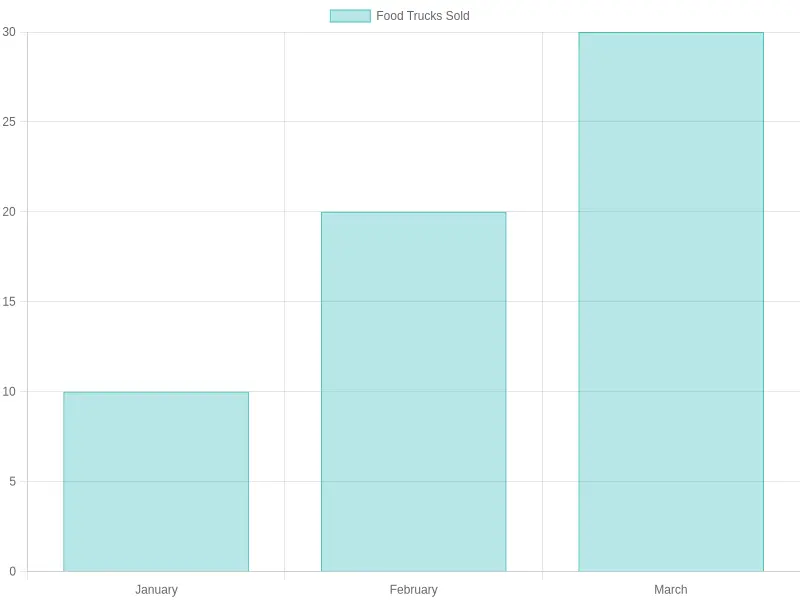
See how food trucks have thrived in demographics and revenue, illustrating trends in popularity.
Key Statistics Overview:
- Number of Food Trucks: Shows the expanding presence of food trucks across the U.S.
- Average Revenue Per Food Truck: Reflects the profitability and market viability of food trucks in the food service industry.
- Demographic Reach: Highlights the diverse customer base engaging with food trucks.
For detailed insights into the culture surrounding Latino food trucks, you might explore Latino food trucks in major cities or learn about the unique dishes offered.
As the popularity of food trucks continues to rise, they are emerging as a dynamic player in the food service industry, catering to various tastes and preferences.