
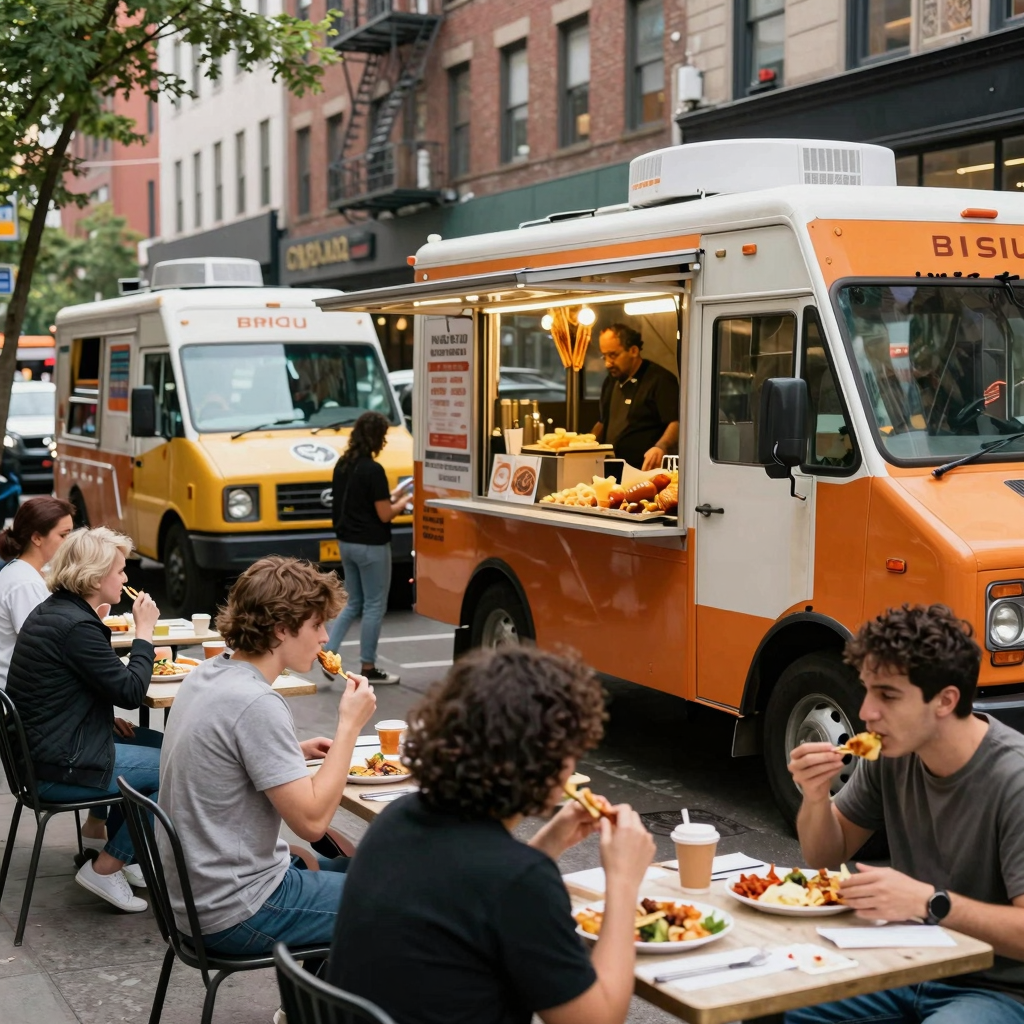
Imagine driving through a bustling city street, the rich aromas of spices and grilled meats wafting through the air, beckoning you to explore. Food trucks, once humble vehicles serving late-night snacks, have exploded into a vibrant culture that encapsulates culinary adventure, community spirit, and passionate creativity. They are the modern-day culinary troubadours, twinkling under city lights, each offering its own unique rendition of flavors from around the globe. With the pop of a grill, skilled chefs transform these mobile kitchens into delightful havens of gourmet cuisine that rival any high-end restaurant.
The food truck phenomenon has captivated urban dwellers and foodies alike, reflecting a shift in dining culture towards accessibility and experimentation. Their allure lies not only in the tantalizing dishes served but also in the stories of the entrepreneurs behind the wheels, each bringing their cultural heritage and personal flair to the streets. As you watch a chef artfully craft a taco al pastor or a gourmet grilled cheese, you’re not just witnessing a meal being prepared; you’re experiencing a fusion of art, culture, and community.
For the hobbyist car modifiers and professional car tuners, food trucks offer a unique canvas for creativity. The customization possibilities can turn a standard vehicle into a rolling testament to culinary artistry. As we dive deeper into the world of food trucks, let’s explore what they symbolize in both the culinary and automotive realms, and why they have become a celebrated staple in community culture. To learn more about the unique traditions surrounding these mobile kitchens, check out our piece on Latino Food Trucks in Major Cities!
The History of Food Trucks
The story of food trucks is as rich and varied as the dishes they serve. The concept traces back to the mid-19th century, with the first food trucks emerging as simple horse-drawn “lunch wagons.” These mobile vendors catered primarily to laborers during their breaks, providing them with affordable meals. One of the earliest documents mentioning such a vendor was Walter Scott’s lunch wagon in Providence, Rhode Island, circa 1850. As cities expanded, these food venues flourished, providing not only nourishment but a sense of community for workers.
The 20th century saw a pivotal shift with the introduction of automobiles. This transformation allowed for greater mobility and the expansion of food truck operations beyond central urban areas. Hence, the traditional lunch wagon adapted into more compact, efficient vehicles, enabling vendors to reach diverse clientele. However, the real renaissance of food trucks began in the wake of the 2008 economic crisis. Entrepreneurs turned to food trucks as a cost-effective way to enter the culinary scene without the heavy overhead that brick-and-mortar restaurants demanded. News articles, such as those from The Atlantic, share that this movement also democratized gourmet food, allowing chefs to explore and present multicultural cuisines through their trucks.
Innovation continued into the 21st century, where food trucks are no longer just simple vendors but chic mobile kitchens showcasing culinary artistry. By 2010, purpose-built trucks emerged, featuring integrated kitchens that enable chefs to prepare a range of gourmet dishes on the go. Recent developments such as modular designs and tech integration have further evolved the industry. Smart technology, including real-time GPS and app-based ordering, has also enhanced customer service, making food trucks tech-savvy culinary powerhouses that reflect modern society’s shifting food landscape. As they continue to thrive, food trucks symbolize cultural fusion and social inclusion everywhere they roam.
For those interested in the specifications and types of vehicles suited for food truck modifications, check out our guide on step vans vs. cargo vans.
Different Types of Food Truck Designs
Food trucks come in various designs, each with its own aesthetic and practical features. Understanding these designs can enhance the experience of car modification enthusiasts looking to customize their own vehicles. Below is a table that highlights different food truck designs along with their features and style descriptions.
| Design Type | Features | Style Description |
|---|---|---|
| Vintage | Classic, retro aesthetics | These trucks often feature bold colors and curved designs, reminiscent of 1950s Americana. They are ideal for nostalgic themes and serve comfort food. |
| Modern | Sleek lines, minimalistic design | With streamlined shapes and often metallic finishes, modern food trucks focus on cleanliness and functionality, appealing to urban diners. |
| Mobile Kitchen | Full-service capabilities | Equipped with grills, fryers, and ovens, these trucks are designed for cooking on the spot, resembling compact restaurants on wheels. |
| Hydraulic Pop-Up | Mechanically expandable space | These unique trucks use hydraulic systems to expand during operation, creating a spacious serving area with retractable awnings for outdoor events. |
| Preparation Truck | Focus on pre-cooked and cold items | Emphasizing efficiency, these trucks often have sleek designs with extensive refrigeration, suitable for quick service of salads and desserts. |
| Double Decker | Two-level service area | Maximizing space, double-decker food trucks offer a unique service style and larger menu options, appealing to busy event venues or markets. |
| Coffee Cart | Compact, city-friendly | Designed for serving coffee and light snacks, these carts are easy to navigate through city streets with a cozy, inviting design. |
For additional insights about food trucks, check out Latino food trucks in major cities and food truck models suitable for Latino cuisine vendors.
Food Truck Modifications
Food trucks are more than just mobile kitchens; they are a canvas for creativity, engineering, and customization. Both hobbyist car modifiers and professional tuners take immense pride in enhancing food trucks to not only improve performance but to create an engaging dining experience on wheels. Here are some common modifications that are essential to elevate the functionality and appeal of food trucks:
Engine Upgrades
A food truck’s engine is its heart, and improving it can significantly boost performance. Modifications often include:
- Power Enhancements: Tuners often opt for turbocharger or supercharger installations to increase horsepower and torque, ensuring the truck can handle urban environments and long routes efficiently.
- Fuel Efficiency Improvements: Upgrading to fuel injectors or remapping the engine’s ECU can enhance fuel efficiency-vital for businesses that need to keep running costs low.
- Cooling Systems: Installing better radiators or intercoolers helps to maintain optimal engine temperatures, especially during the hectic hours of food service.
Bodywork Modifications
Beyond performance, the aesthetics of a food truck are just as important. Modifications might include:
- Custom Paint and Graphics: Eye-catching designs attract customers. Professional graphic artists often collaborate with food truck owners to create unique branding.
- Aerodynamic Designs: Improving the truck’s aerodynamics can lead to enhanced fuel efficiency. Some may even opt for lightweight materials, enhancing speed and handling.
- Lighting and Signage: Adding LED lighting not only serves practical purposes but enhances nighttime visibility and appeal.
Kitchen Functionality Enhancements
A well-designed kitchen is critical to the success of a food truck. Modifications can include:
- High-Efficiency Cooking Equipment: Upgrading to energy-efficient stoves, ovens, and fryers ensures faster cooking times and lower energy costs.
- Optimized Space Layouts: Custom shelving and modular setups can increase workflow efficiency, essential for high-volume service.
- Advanced Refrigeration: Installing high-capacity, eco-friendly refrigeration systems ensures food safety while accommodating a diverse menu.
Conclusion
Food truck modifications reflect the passion and innovation of their owners. For hobbyist car modifiers and professional tuners, these enhancements not only make the trucks more efficient but also add personality and flair to the mobile culinary experience. Whether it’s about stamina on the road or an inviting look, customization brings out the best in these machines.
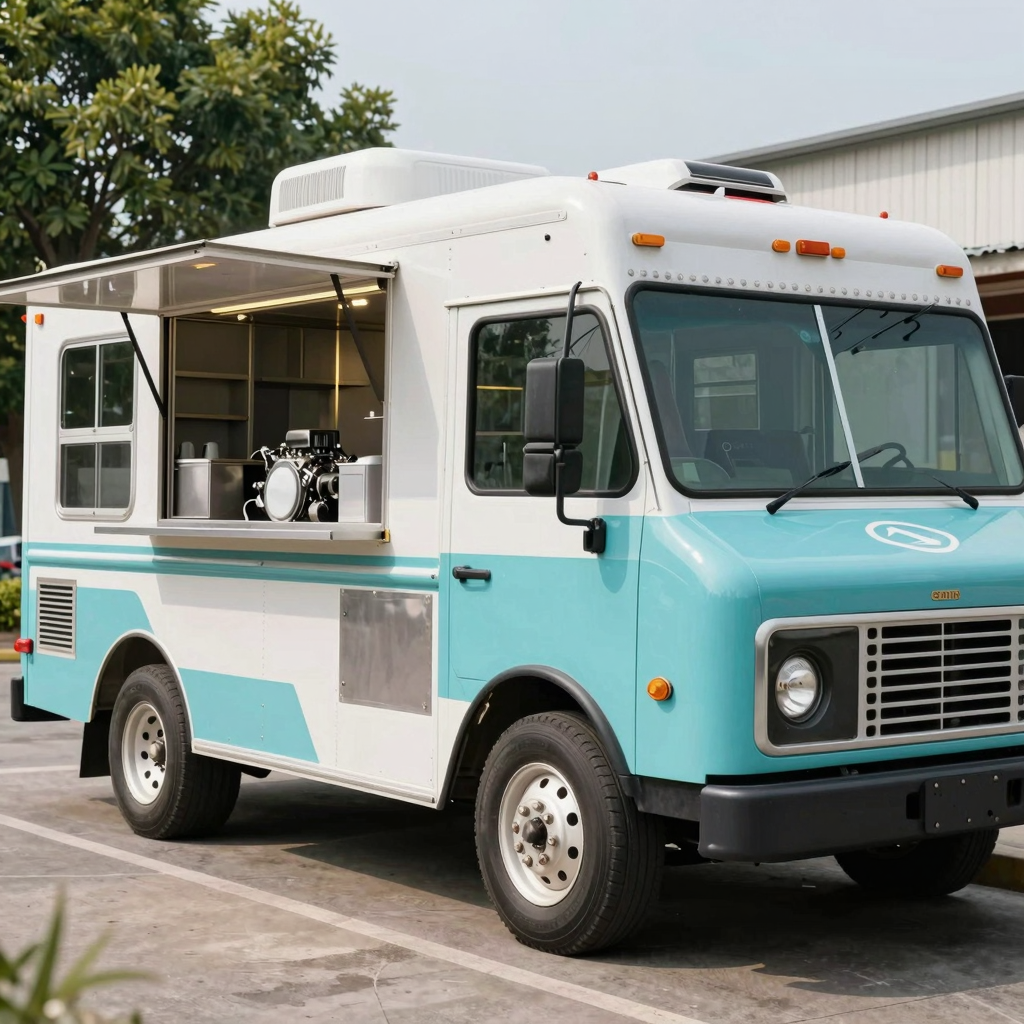
For further information on different food truck designs, you can explore the top food truck models for Latino cuisine vendors to get inspiration for your modifications.
“We don’t just serve food, we serve passion. Every bite is a story of hustle, heart, and hard work.”
- A food truck owner reflecting on the essence of their business, highlighting the connection between food and community spirit.
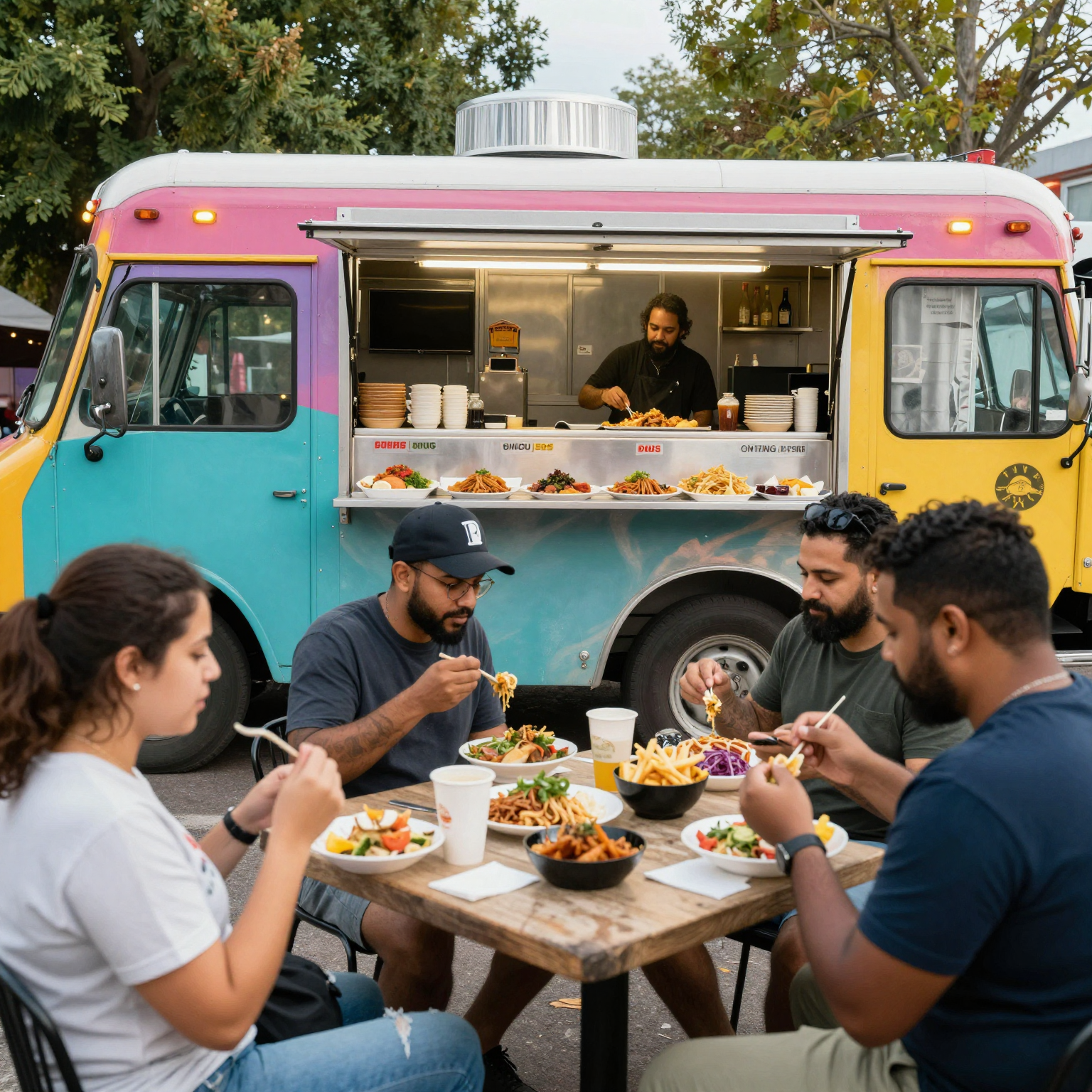
This vibrant image captures the essence of food trucks within a bustling community, symbolizing creativity and the joy of shared dining experiences.
Popular Food Truck Events Worldwide
Food truck festivals are not just about delicious food; they celebrate culinary innovation and cultural exchange. Here’s a list of some significant food truck events happening across the globe:
-
BC Dumpling Festival
Location: Vancouver, Canada
Significance: This festival celebrates the richness of dumpling culture while promoting local food trucks and vendors. Apart from dumplings, it features various cultural performances, making it a vibrant community gathering. Learn more here. -
Brewhalla Beer and Music Festival
Location: Abbotsford, Canada
Significance: An exciting combination of craft beer and food trucks, this festival features over 60 local breweries and offers a diverse menu from food trucks, showcasing the best culinary talents in the region. Check it out here. -
Fridays on Front
Location: New Westminster, Canada
Significance: Held weekly, this event transforms the urban environment into a lively space featuring local vendors and musicians, promoting community and supporting local businesses. More details here. -
Beanstock Coffee Festival
Location: Vancouver, Canada
Significance: Dedicated to coffee lovers, this festival celebrates local roasters and offers a chance for food trucks to showcase unique coffee-based culinary creations. -
Gilroy Garlic Festival
Location: Gilroy, California, USA
Significance: Known for its garlicky goodness, this festival is renowned for its garlicky specialties and attracts food lovers from around the globe, making it a must-visit culinary event. Learn more.
Food truck events like these are more than just culinary showcases; they are essential in promoting local economies and fostering cultural dialogues through food. They allow diverse voices to share their culinary traditions, making dining an inclusive experience.
Challenges Food Truck Owners Face
Running a food truck is not just about serving delicious meals on wheels; it involves navigating a maze of challenges that can hinder success. The journey of food truck owners often mirrors that of DIY car modifiers and professional tuners-filled with obstacles but also ripe with opportunities for creativity and resilience.
Regulatory Issues
One of the most daunting challenges food truck owners face is dealing with local regulations. Many cities impose strict rules regarding permits for operation, health inspections, and zoning laws. For example, some locations have designated areas for food trucks, while others have a competitive permit system that limits the number of trucks allowed in a given area. Ignoring these regulations can lead to fines or shutdowns, which makes meticulous planning vital. Owners can overcome these hurdles by partnering with local event organizers and leveraging their networks to better understand the permitting process.
Intense Competition
The food truck industry is incredibly competitive, with many vendors vying for the same customers. To stand out, owners need to offer a unique culinary experience while also branding themselves effectively. This can involve creating a signature dish or utilizing social media for engaging storytelling. Successful food truck owners often adapt their menus based on customer feedback and seasonal preferences, allowing them to remain relevant amidst the competition. This adaptability reflects the principles seen in car modification, where enthusiasts continuously innovate.
Maintenance and Operational Costs
Food trucks require significant upkeep. Costs for equipment maintenance, fuel, and ingredients fluctuate, making financial management crucial. Time spent on preventative maintenance can save money in the long run and reduce downtime, a lesson learned from the DIY car modification community. Engaging in thorough financial planning allows food truck owners to allocate budgets effectively, ensuring their business remains resilient against unforeseen expenses.
In conclusion, while the road for food truck owners may be rocky, creative problem-solving, adaptability, and community engagement can pave the way for success. More than just a culinary venture, it becomes a journey of passion and innovation.
Conclusion
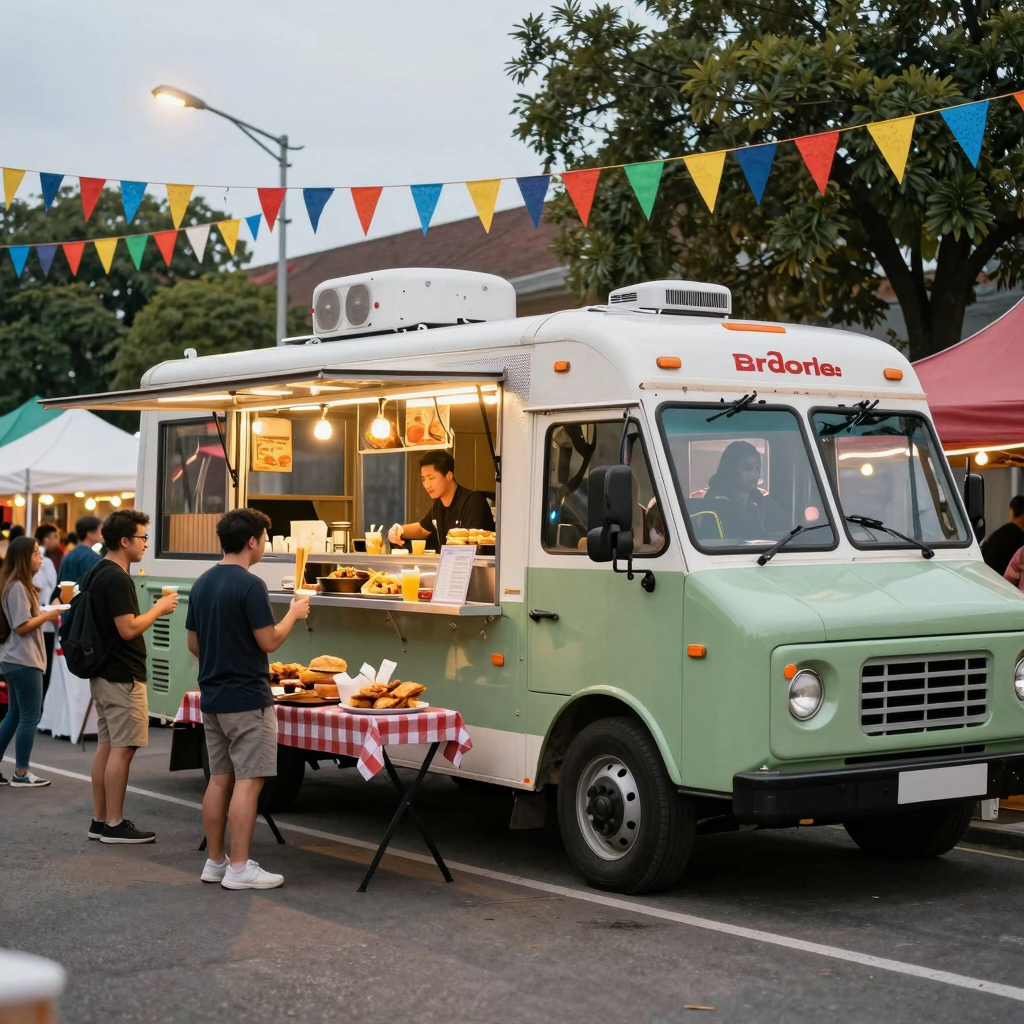
In the vibrant world of food trucks, creativity and community spirit reign supreme. These mobile culinary wonders are not merely kitchens on wheels; they are expressions of culture, innovation, and resilience. When you see a food truck, think beyond the menu-each one is an opportunity to explore a fusion of flavors, adapt traditional recipes, and honor the nuanced tastes of communities. The modifications you can apply to a food truck can transform an ordinary vehicle into a mobile masterpiece that reflects your unique vision.
Consider how the food truck scene fosters connection among diverse groups of people. As highlighted in various sources, food trucks often become gathering points where culinary adventures meet local culture. They allow chefs to step outside the confines of brick-and-mortar restaurants, engaging with their communities in ways that a static establishment cannot match. From local festivals to bustling urban districts, a well-executed food truck can serve as a hub for culinary exploration, storytelling through food, and the joys of shared meals, blending gastronomic innovation with a profound sense of belonging.
If you’re inspired to create or modify a food truck, envision its potential to impact your community. Whether you’re a hobbyist modifier exploring unique designs or a seasoned professional looking to refine your culinary offerings, each modification is a step toward transforming your food truck into a beloved symbol of creativity and culture. Dive into this exciting journey and discover how your passion can contribute to this incredible community of food truck enthusiasts.
For more ideas on improving your food truck and understanding the culture surrounding it, check out our insights on top Latino food truck dishes or explore the differences between step vans and cargo vans for food trucks.
Let your creativity flow, and remember: the road and the community are waiting for your mobile masterpiece!
| 修改类别 | 平均成本 | 成本范围 |
|---|---|---|
| 厨房设备 | $9,500 | $8,000 – $15,000 |
| 外观改进 | $3,200 | $1,500 – $5,000 |
| 发动机改装 | $5,000 | $3,000 – $7,000 |
来源:
- 《食品卡车改装成本对比》(2026年5月)