
Introduction
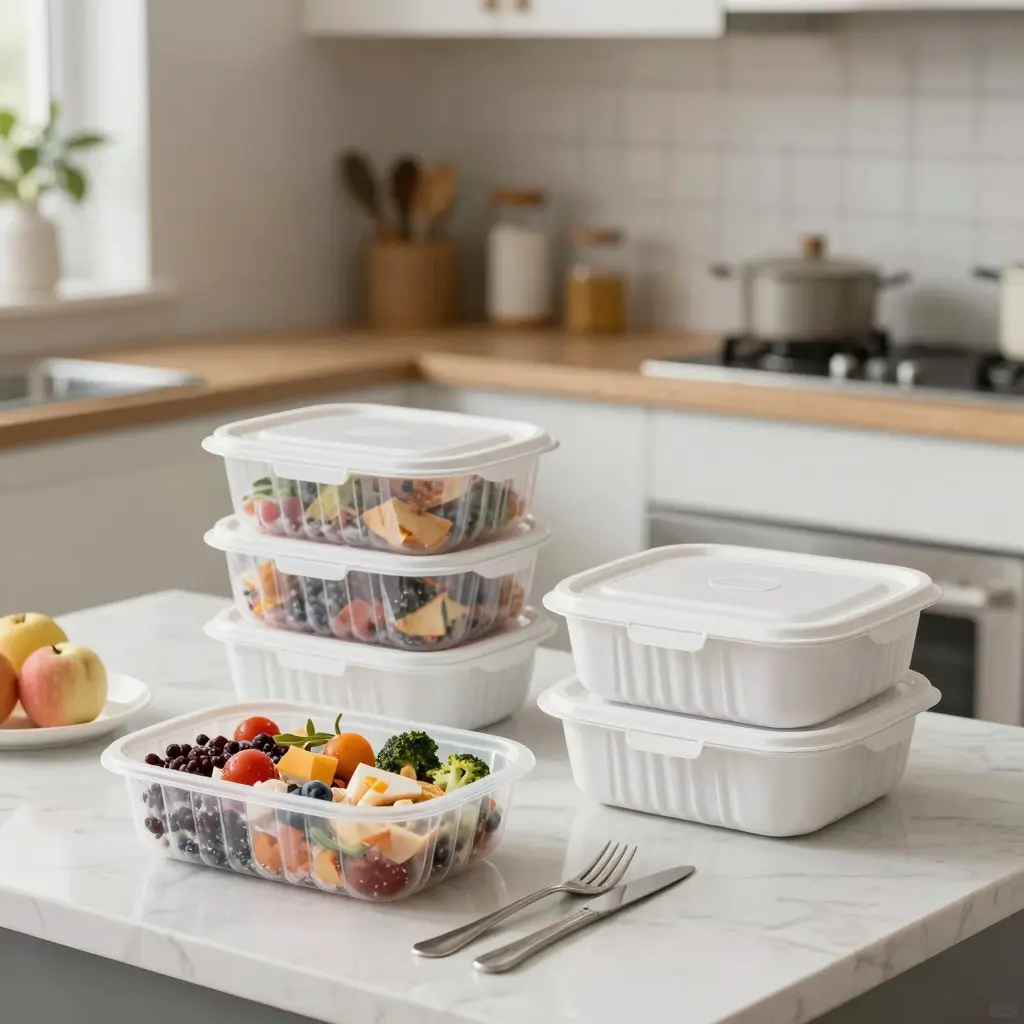
In the fast-paced world of food service, efficiency and practicality are paramount for bubble tea shops, restaurants, and catering services. Enter the game-changing solution of disposable food containers that can be frozen and microwaved. These versatile containers not only streamline your operations but also enhance customer satisfaction by offering convenience for takeaway orders. Imagine the ease of preparing meals ahead of time, storing them in these frozen containers, and then providing customers with the ability to heat them in the microwave in just minutes. With food service packaging that adapts to your needs, you can reduce waste and increase service speed, making every meal an enjoyable experience for your guests. Discover how you can elevate your business with these practical packaging solutions by exploring our range of instock containers that are specially designed for efficiency and consumer satisfaction.
Material Safety Standards for Disposable Food Containers
When it comes to using disposable food containers, particularly in the fast-paced environments of bubble tea shops, restaurants, and food trucks, understanding material safety standards is crucial for ensuring food safety. Regulatory agencies like the FDA have laid down comprehensive guidelines to ensure that these products are safe for consumers when used in freezing and microwaving conditions.
FDA Regulations on Food Contact Substances
According to the FDA, any food packaging that comes into contact with food must adhere to stringent safety standards. The FDA’s final rule on food packaging establishes that materials used in disposable food containers need to be evaluated for their potential to transfer substances into food. These assessments include tests for migration of harmful chemicals, especially under conditions where containers are microwaved or stored in freezers. As a result, containers marked for such uses are required to meet performance criteria that prevent harmful levels of chemical transfer during normal operational use. For further details on these regulations, you can review the FDA regulations on food contact substances.
Ensuring Safety During Microwaving and Freezing
The FDA emphasizes that any container labelled as “microwave-safe” must undergo rigorous testing to guarantee that it does not release harmful chemicals when heated. This extends to strict limits on materials like BPA that could seep into food, ensuring that businesses can trust in the performance of their packaging, especially if it needs to withstand heat.
Additionally, the regulations specify that packaging materials used for frozen foods must maintain their integrity at low temperatures, meaning they should not degrade or leach harmful substances. As a best practice, businesses should only use containers that have been certified for freezer use, ensuring that their products remain safe and of high quality regardless of temperature fluctuations. Explore more about safe frozen food packaging through the FDA’s frozen food packaging guidelines.
Industry Best Practices
In line with FDA guidelines, many manufacturers are adopting best practices in the production of disposable food containers. These include:
- Using materials that are labeled as food-safe and passing rigorous testing standards.
- Certification and transparency regarding the materials and methods used in production.
- Sustainability considerations, such as using recyclable or biodegradable materials to appeal to environmentally conscious consumers.
By being well-informed about these material safety standards, businesses can make wise choices about their disposable containers, ensuring both compliance and the highest level of safety. This not only protects their customers but also enhances the overall reputation of their brand, driving customer loyalty and trust in their products.
For businesses looking for reliable packaging options, EcoCupBowl’s product range offers a variety of containers that meet these safety standards, ensuring that every meal served is safe, delicious, and compliant with food safety regulations.
Comparing Disposable Food Containers for Freezing and Microwaving
When selecting suitable disposable food containers for your restaurant, food truck, or catering service, understanding the materials and their characteristics is essential. Here’s a detailed comparison of different types of disposable food containers that are safe for freezing and microwaving:
| Category | Material (Plastic, Paper, Foam) | Heat Resistance (Temperature levels) | Eco-Friendliness (Recyclable, Compostable) | Typical Uses (Recommended food types) |
|---|---|---|---|---|
| 1 | PP (Plastic) | Up to 120°C | Low (not biodegradable) | Meal prep and reheating |
| 2 | PET (Plastic) | Up to 70°C | Low (not biodegradable) | Cold foods |
| 3 | PS (Plastic) | Below 70°C | Very Low (not recyclable) | Single-use items |
| 4 | Paperboard | Up to 90°C | Moderate (recyclable if uncoated) | Sandwiches, salads |
| 5 | EPS Foam | Not microwavable | Very Low (banned in many areas) | Hot/cold foods but limited safety |
| 6 | PLA (Biodegradable) | Up to 100°C | High (compostable under industrial conditions) | Cold items |
| 7 | Bagasse (Biodegradable) | Up to 100°C | High (compostable) | Takeout items |
Understanding Heat Resistance and Eco-Friendliness
- PP: The best option for microwave use and reheating with a decent tolerance to hot conditions.
- PET: Not suitable for heating, primarily used for cold items.
- PS: Low thermal resistance makes it unsuitable for any heating applications.
- Paperboard: Versatile for certain heated applications; however, grease or moisture can weaken its structure.
- EPS Foam: Known for insulating properties but should be avoided in microwaves due to safety concerns and local bans.
- PLA and Bagasse: Environmentally friendly choices, particularly for businesses focused on sustainability; however, check temperature limits when reheating.
This overview should help bubble tea shops, restaurants, food trucks, and other culinary services make informed choices about disposable food containers that maximize both convenience and safety when freezing or microwaving food.
For more options and details, check out these disposable food container selections and eco-friendly containers available at EcoCup Bowl.
Eco-Friendly Options: Embracing Sustainability with Disposable Containers
In today’s environmentally conscious market, eco-friendly disposable containers are becoming increasingly vital for businesses in the food sector, such as bubble tea shops, restaurants, food trucks, and catering services. Choosing biodegradable or recyclable materials for food containers not only aligns with sustainability goals but also significantly enhances a company’s reputation among environmentally aware consumers.
The Importance of Eco-Friendly Choices
The food packaging industry is facing mounting pressure to adopt sustainable practices. Traditional plastic containers contribute to pollution and environmental degradation, creating a pressing need for alternatives. By opting for eco-friendly disposable containers, businesses can:
- Reduce Environmental Impact: Biodegradable containers break down naturally, mitigating waste in landfills and decreasing plastic pollution. Reports indicate that materials like those made from plant starch can decompose within 60 days in suitable conditions, unlike plastic that can take centuries to degrade.
- Enhance Brand Image: High sustainability standards resonate well with the modern consumer. According to a study, brands that implement green packaging strategies experience higher consumer loyalty and trust. Businesses can showcase their commitment to sustainability by integrating eco-friendly choices into their operations, which can serve as a powerful marketing tool.
Benefits of Biodegradable and Recyclable Materials
Adopting green packaging offers substantial benefits:
- Improved Freshness and Safety: Biodegradable materials ensure food safety without compromising quality. For example, containers made from plant-based materials maintain food freshness while minimizing potential toxicity risks associated with traditional plastics.
- Cost-Effectiveness: Although some might perceive eco-friendly containers as more expensive, the long-term savings from reduced waste disposal costs and increased brand loyalty often outweigh initial investments. Reports suggest that the market for sustainable packaging is expected to grow, with projections reaching $301.4 billion by 2030, reflecting a promising landscape for businesses that prioritize sustainability.
- Appeal to Eco-Conscious Consumers: As consumer awareness of environmental issues grows, businesses utilizing eco-friendly disposable containers can attract a larger market share. Restaurants and food services committed to sustainability can capitalize on consumers’ willingness to pay a premium for eco-conscious options.
Conclusion
Incorporating eco-friendly disposable containers into a business’s operations isn’t just a choice-it’s a commitment to sustainability that enhances brand reputation and satisfies consumers’ increasing demand for environmentally responsible options. By switching to biodegradable and recyclable materials, businesses not only contribute to a healthier planet but also gain a competitive edge in the evolving marketplace. Embrace the change today-explore our range of environmentally friendly food containers and elevate your brand’s sustainability profile!
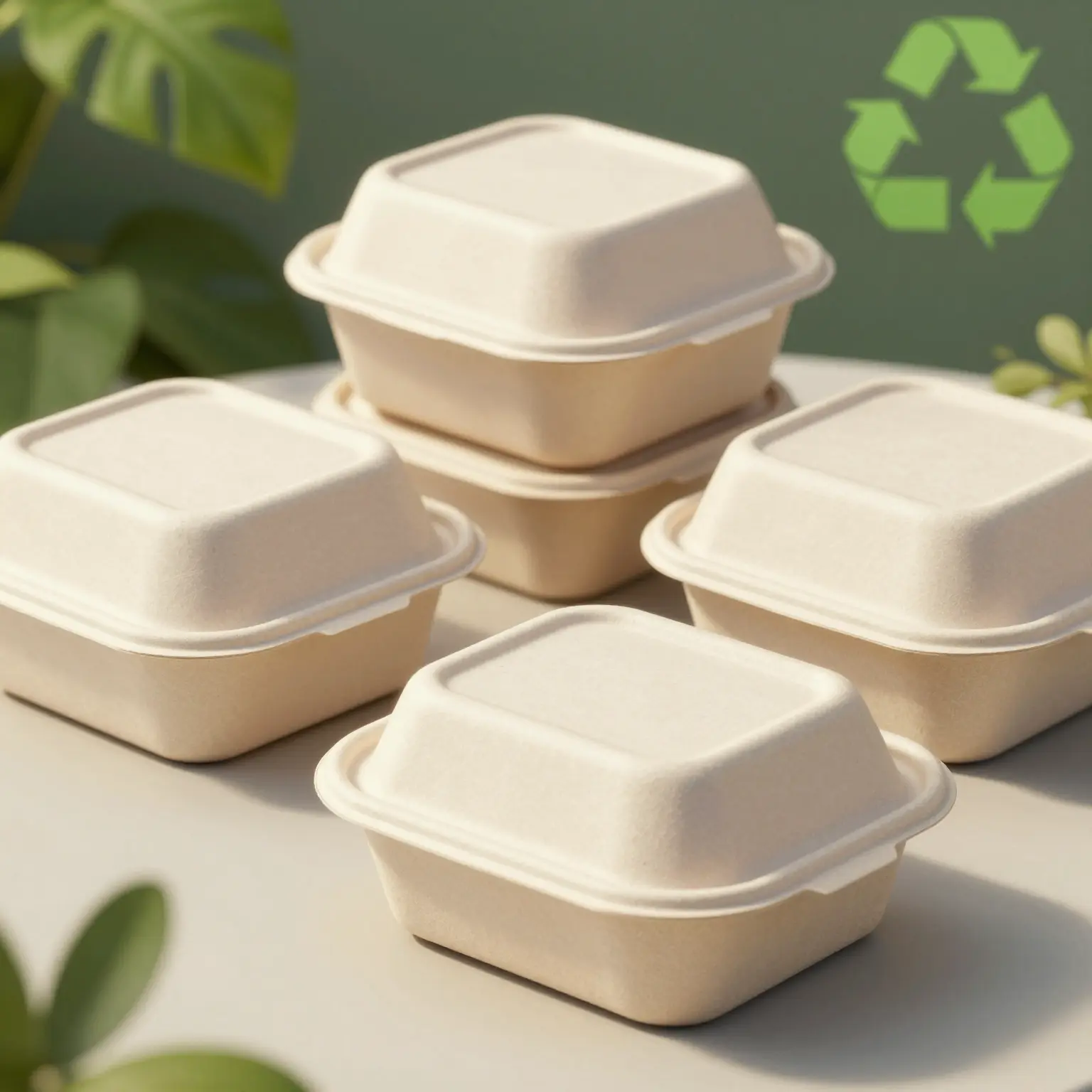
Regarding aesthetic choices, consider featuring our durable and stylish containers that truly represent your commitment to the planet and sustainability. Learn more about our eco-friendly packaging solutions and enhance your green offerings!
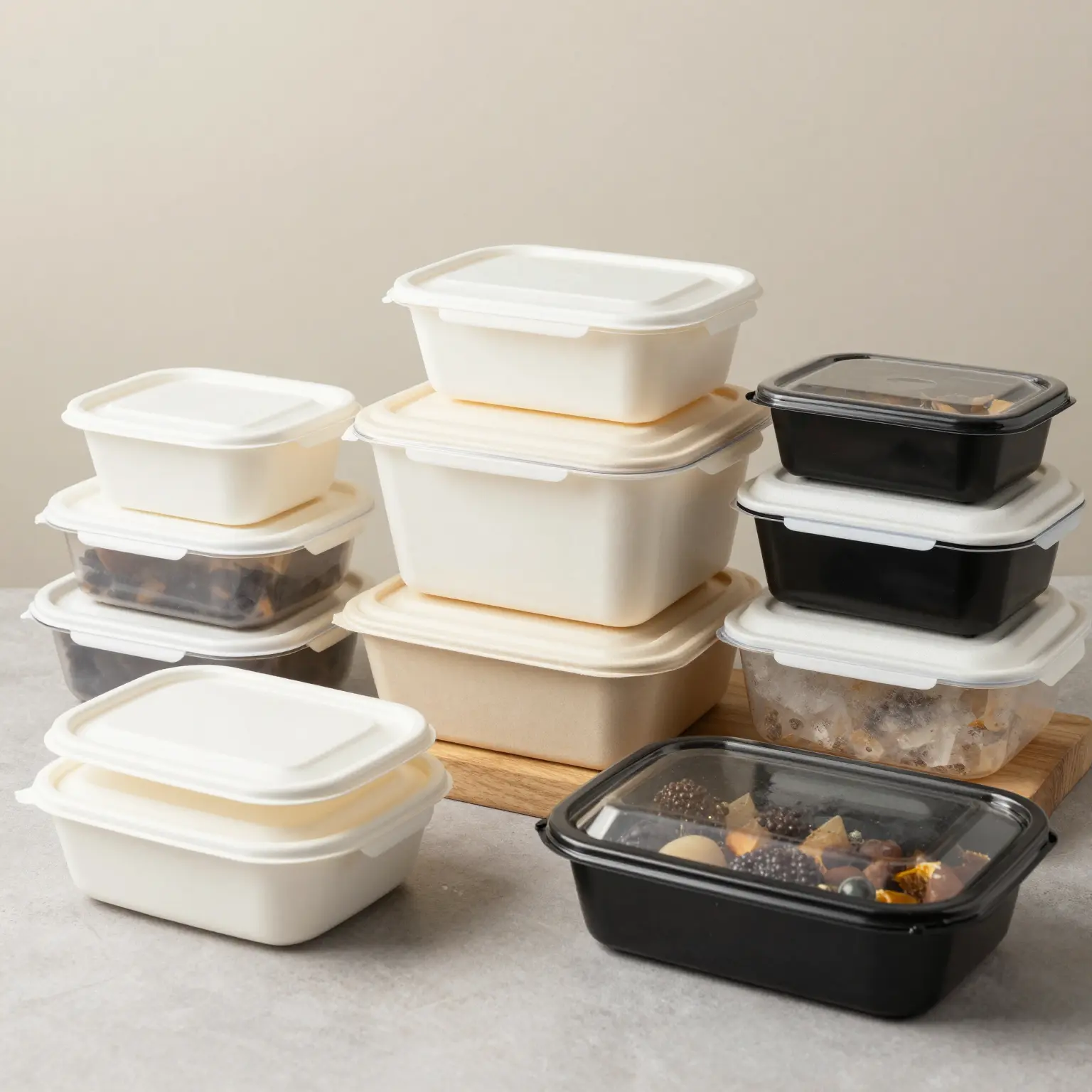
This image showcases a variety of disposable food containers designed for freezing and microwaving, ideal for food service businesses. Explore more about our product offerings at EcoCup Bowl.
Market Growth of Disposable Food Containers in the Food Service Industry
The disposable food containers market is witnessing remarkable growth, mainly driven by evolving consumer demands and industry shifts towards convenience and sustainability. A recent analysis indicates that the global food containers market was valued at USD 148.295 billion in 2023 and is projected to grow at a compound annual growth rate (CAGR) of 4.50% between 2024 and 2032. This growth emphasizes the increasing relevance of disposable food containers in today’s food industry trends used in restaurants, food trucks, and catering services.
Key Drivers of Growth
- Rise in Food Delivery and Takeaway Services: With the significant increase in food delivery platforms, restaurants and caterers are utilizing disposable food containers to meet consumer demand for convenience.
- Urbanization and Busy Lifestyles: The rapid urbanization and changing lifestyles lead consumers to prefer easy-to-carry meal options, heightening the demand for effective disposable packaging.
- Sustainability Concerns: As environmental regulations tighten, a shift towards bio-based, biodegradable, and recyclable disposable containers is evident. Many restaurants and catering services are adopting materials like sugarcane fiber and recycled PET to ensure compliance and cater to the eco-conscious consumer.
The disposable lunch box market specifically is expected to grow from USD 14.2 billion in 2026 at a CAGR of 5.8% from 2023 to 2026, showcasing a trend towards sustainable materials. Regulatory pressures, especially against plastics, are accelerating these developments.
Projected Market Size over the Coming Years
The following table represents the projected market size of disposable food containers from 2023 to 2032:
| Year | Projected Market Size (USD Billion) |
|---|---|
| 2023 | 148.295 |
| 2024 | 154.85 |
| 2025 | 161.65 |
| 2026 | 168.50 |
| 2027 | 175.40 |
| 2028 | 182.38 |
| 2029 | 189.32 |
| 2030 | 196.30 |
| 2031 | 203.30 |
| 2032 | 210.30 |
You can view a visual of this growth trend in the chart below:

For businesses looking to adapt to the ever-evolving market, investing in high-quality, sustainable disposable food containers can not only fulfill customer expectations but also align with global trends. To explore a wide range of suitable solutions, check out our collection of disposable food containers.
Sources:
“We switched to EcoServe disposable containers for our bubble tea delivery, and the reliability has been a game-changer. Not only do they keep the drinks insulated and intact during transport, but our customers have also noticed the eco-friendly materials, leading to more positive feedback. These containers have truly elevated our service quality!”
- Jamie Lin, Owner of Bubble Bliss Teahouse
This testimonial emphasizes the importance of effective and reliable disposable food containers in enhancing customer satisfaction, especially in the bubble tea industry. It showcases how businesses can improve their service through thoughtful packaging solutions that engage environmentally-conscious customers. Explore our range of disposable food containers here.
Applications of Disposable Food Containers in the Food Industry
Disposable food containers offer versatility and convenience across various sectors of the food industry. Here are some key applications:
- Food Trucks: Ideal for serving quick meals on-the-go, disposable containers allow food trucks to efficiently manage orders without the hassle of dishwashing.
- Catering Services: Disposable containers simplify food transport and serving at events, making them a popular choice for catering companies.
- Takeout Services: Restaurants and cafes use disposable food containers for takeout orders, ensuring that food remains fresh, secure, and easy for customers to carry.
- Events and Festivals: From food festivals to corporate events, disposable containers provide a practical solution for serving large crowds while minimizing cleanup.
- Meal Prep and Delivery Services: These containers are perfect for portioning out meals for customers who prefer healthy, pre-prepared options.
- Picnics and Outdoor Gatherings: Easy to pack and dispose of, disposable food containers are a convenient choice for picnics and outdoor events.
With options for everything from takeaway boxes to food trays, disposable food containers meet diverse needs while enhancing customer experience.
Conclusion: Choose Reliable Disposable Food Containers for Your Business
As we’ve explored throughout this article, the importance of utilizing reliable disposable food containers cannot be overstated, particularly for businesses like bubble tea shops, restaurants, and catering services. These solutions not only offer convenience and efficiency but are essential for maintaining food safety and quality. Whether you are looking for containers that can be frozen or microwaved, the right choice in disposable food containers can enhance your customers’ experiences and streamline your operations.
Furthermore, opting for eco-friendly packaging solutions contributes positively to your brand’s image in today’s environmentally conscious market. It’s critical to select disposable packaging that aligns with your business values and meets your customers’ expectations.
At Eco Cup Bowl, we understand the unique needs of your business and offer a variety of options tailored to different food service operations. From sturdy takeaway boxes to flexible food trays, our extensive selection ensures you find the perfect fit for your requirements.
Don’t settle for anything less than the best products for your business needs. Reach out to us today for a tailored quote and elevate your service with our high-quality disposable food containers that are designed to perform under any condition. Contact us now to discover how we can support your operational goals.
Cost Comparison of Disposable vs Traditional Food Containers
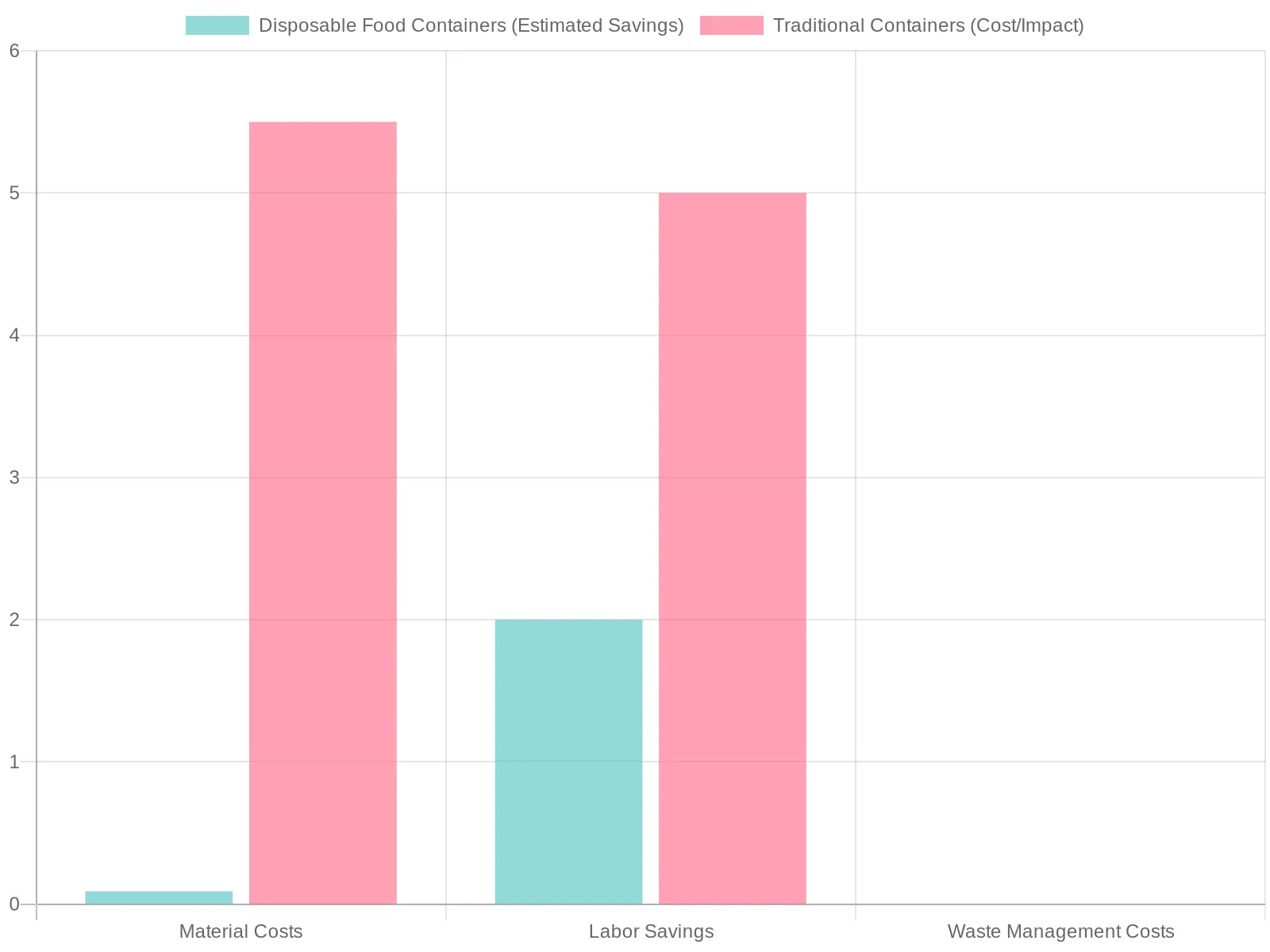
Switching to disposable food containers can significantly impact the financial health of food businesses. Here’s a breakdown of the potential cost savings for businesses that make the switch:
Cost Savings Breakdown
| Category | Disposable Food Containers (Estimated Savings) | Traditional Containers (Cost/Impact) | Notes |
|---|---|---|---|
| Material Costs | $0.03 – $0.15 per unit | $3 – $8 per unit | Disposable containers are significantly cheaper per unit, especially at scale. |
| Labor Savings | Up to 2 hours per shift saved | High labor cost for washing, drying, and storing | Estimated based on industry reports (e.g., National Restaurant Association, 2025). |
| Waste Management Costs | Higher disposal fees, but eco-friendly options reduce net costs | Lower disposal costs but high cleaning water, detergent, and energy use | Biodegradable/disposable compostable options can lower long-term environmental and regulatory costs. |
Visual Representation
Sources: