Introduction
In today’s eco-conscious landscape, understanding which plastic food containers are recyclable isn’t just a responsible choice-it’s essential for businesses in the food service industry. Whether you’re a bustling bubble tea shop, a trendy restaurant, a mobile food truck, or part of a corporate catering team, the choices you make about packaging can profoundly impact our environment and your bottom line. Implementing sustainable practices not only meets customer expectations but also contributes to a healthier planet. As we explore the details of recyclable plastic food containers, we’ll highlight best practices and valuable insights to help you navigate this important aspect of your operations. For a variety of sustainable packaging options, check out our packaging solutions that align with your need for eco-friendly choices.
Types of Plastics Used in Food Containers
In the food industry, selecting the right type of plastic for containers is crucial for safety, compliance, and sustainability. Below, we explore various plastics commonly used in food containers, their recyclability, and what food businesses should consider when choosing these materials.
1. Polyethylene Terephthalate (PET or PETE)
- Usage: Commonly found in water and soda bottles, salad containers, and clear clamshell boxes.
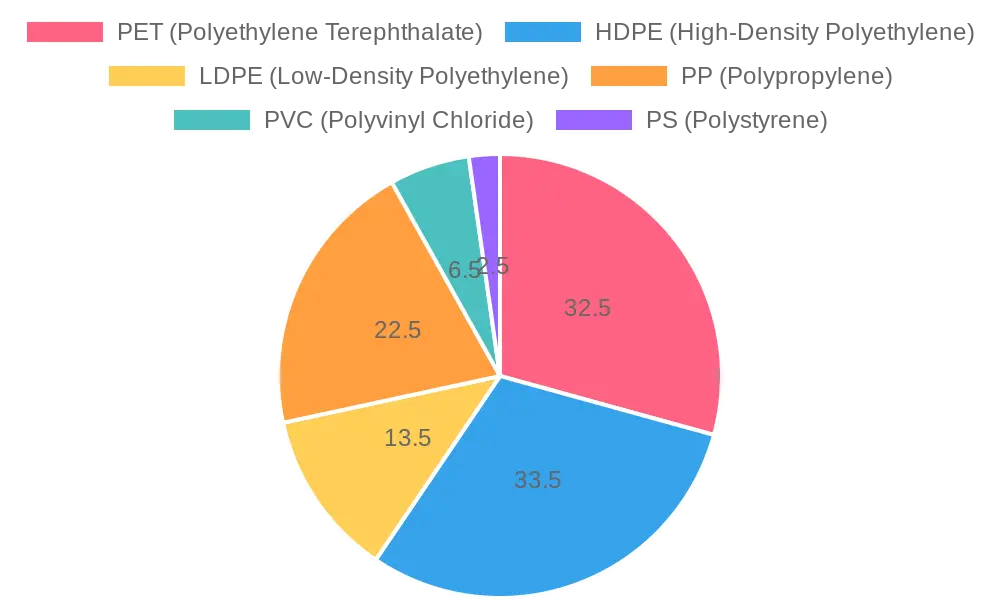
- Recyclability: Approximately 30%-35% recyclable, widely accepted in curbside programs.
- Properties: Transparent, shatter-resistant, and an excellent barrier against moisture and gas, making it ideal for cold food storage.
- Considerations for Businesses: While PET is safe for cold items, it is not suitable for high heat applications as it may soften.
2. High-Density Polyethylene (HDPE)
- Usage: Found in milk jugs, juice bottles, and detergent containers.
- Recyclability: Roughly 31%-36% recyclable; easily processed in many municipal systems.
- Properties: Opaque and impact-resistant, it provides good chemical resistance and safety for food contact.
- Considerations for Businesses: HDPE is a versatile option that suits a range of products, particularly those needing durability and safety.
3. Polypropylene (PP)
- Usage: Often used for yogurt containers, takeout boxes, and microwave-safe food containers.
- Recyclability: About 20%-25% recyclable, with a growing infrastructure for recycling.
- Properties: High melting point (up to 160°C), flexible, and resistant to many chemicals, PP is ideal for hot foods and microwavable items.
- Considerations for Businesses: Compliance with FDA safety standards makes PP a reliable choice for hot meals and catering services.
4. Low-Density Polyethylene (LDPE)
- Usage: Common in grocery bags, bread wrappers, and food wraps.
- Recyclability: Approximately 12%-15% recyclable, but not accepted by all curbside recycling programs.
- Properties: Flexible, puncture-resistant, but less durable than HDPE and PP.
- Considerations for Businesses: Useful for general-purpose wrapping but may require special handling due to lower recycling acceptance.
5. Polyvinyl Chloride (PVC)
- Usage: Less common in food applications, used for cling film and food packaging.
- Recyclability: Only around 5%-8% recyclable; stringent regulations and bans in many areas due to environmental concerns.
- Properties: Excellent clarity but can leach harmful chemicals, raising health concerns.
- Considerations for Businesses: Increasing regulatory scrutiny means alternatives should be considered for a sustainable approach.
6. Polystyrene (PS)
- Usage: Often used for disposable cutlery and food containers.
- Recyclability: Low, at about 2%-3%, with many cities prohibiting its use.
- Properties: Lightweight but can be fragile and prone to contamination.
- Considerations for Businesses: Generally discouraged due to environmental impact; alternatives like PP are recommended.
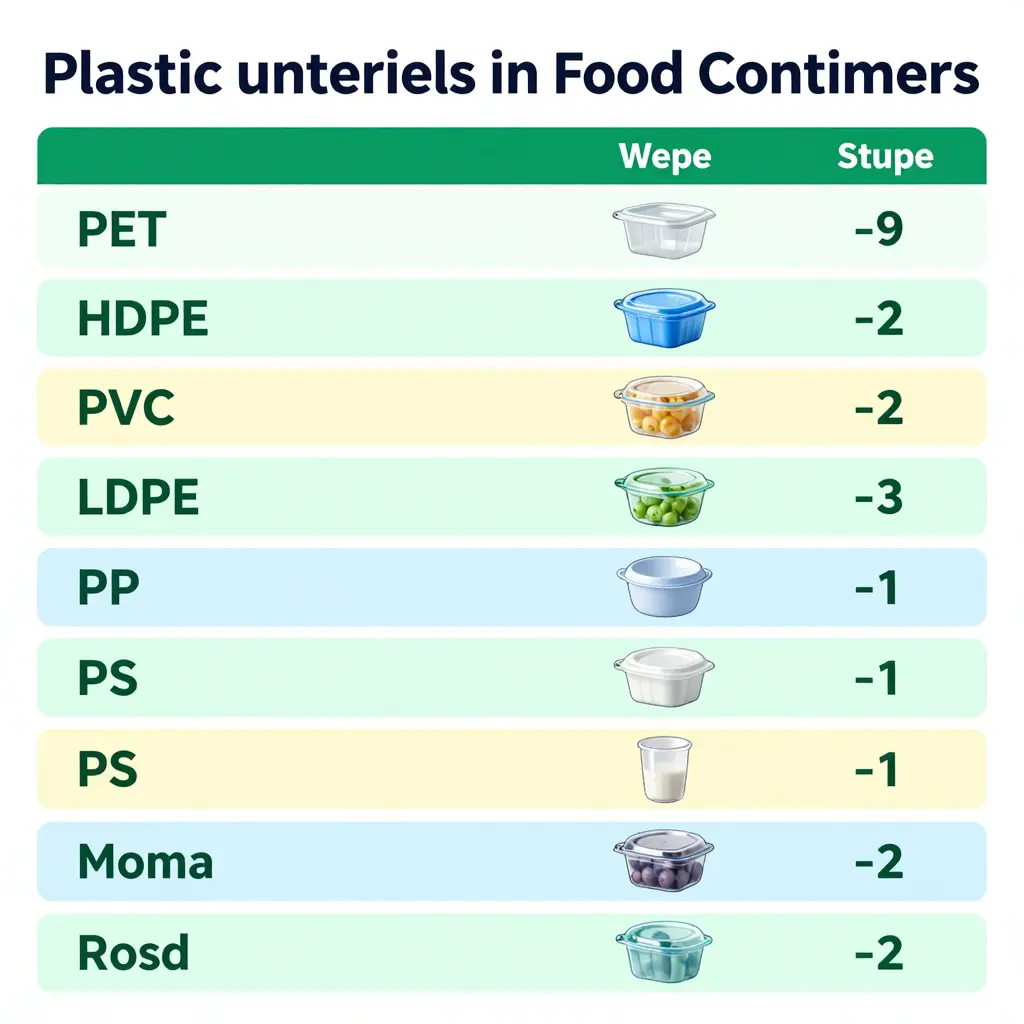
Recyclability Chart
Implications for Food Businesses
Choosing the right plastic for food containers is essential from a business perspective. Here are some implications:
- Safety Compliance: Ensure that the materials meet FDA standards to avoid legal penalties. Consider guidelines for food contact safety and the potential for harmful substance leaching.
- Consumer Preference: Increasingly, customers prefer brands that prioritize sustainability. Using recyclable or biodegradable plastics can enhance brand image.
- Operational Efficiency: Efficient packing solutions that are safe for food but also minimize waste can save costs and improve service levels.
- Recycling Infrastructure: Awareness of local recycling capabilities is crucial. Businesses must choose materials that can be easily handled within their operational area to promote sustainability.
By understanding these types of plastics, their properties, and the regulatory frameworks surrounding them, food businesses can make informed decisions that align with sustainability goals and consumer expectations. For packaging solutions, explore our range of products that meet these needs.
Common Recyclable Plastic Symbols
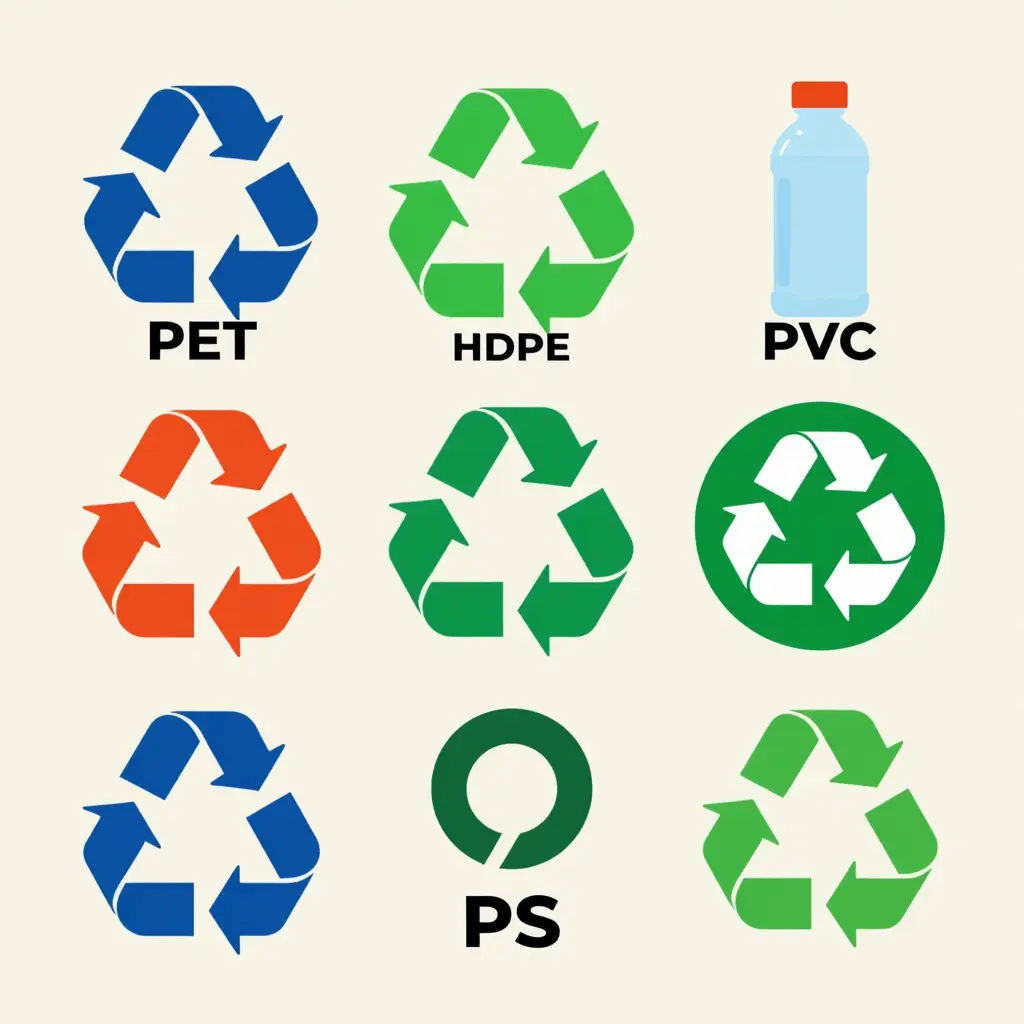
Understanding the symbols on plastic containers can help you make informed decisions about recycling. Here’s a list of common recyclable plastic symbols, what they mean, and their recycling potential:
-
#1 – PET (Polyethylene Terephthalate)
Often found in beverage bottles, this plastic is widely accepted in recycling programs and has a high recovery rate. -
#2 – HDPE (High-Density Polyethylene)
Commonly used for milk jugs and detergent bottles, this material is also highly recyclable and generally accepted in municipal systems. -
#3 – PVC (Polyvinyl Chloride)
Used in plumbing pipes and some food containers, PVC is less frequently recycled due to contamination concerns and limited demand. -
#4 – LDPE (Low-Density Polyethylene)
Though often used for grocery bags and some food wraps, this plastic is rarely recycled through curbside programs but may be accepted at specific drop-off locations. -
#5 – PP (Polypropylene)
Increasingly used for food containers, this plastic is recyclable, especially if collected within commercial recycling systems. -
#6 – PS (Polystyrene)
Used in foam cups and take-out containers, PS has low recycling rates due to contamination issues and is often not accepted in curbside recycling. -
#7 – Other (Various other plastics)
This category includes various plastics that may or may not be recyclable. Check local guidelines as recycling rates can vary.
It’s essential to note that just because a plastic item has a recycling symbol doesn’t guarantee that it will be recycled. Always check with local recycling authorities for specific guidelines or refer to sources like the National Waste & Recycling Association to understand the requirements in your area.
For sustainable packaging solutions for your business, consider exploring our packaging products at Cofe-Cup!
The Importance of Recycling in the Food Industry
In today’s fast-paced world, the food industry grapples with significant waste, particularly due to food packaging and leftovers. Recycling in this sector is not just beneficial; it’s crucial for various compelling reasons that intertwine environmental sustainability with customer preferences.
Environmental Benefits of Recycling
Recycling in the food industry plays a vital role in reducing landfill waste. Approximately one-third of food produced globally is wasted, and much of this waste ends up in landfills, contributing to greenhouse gas emissions, specifically methane, which is more potent than carbon dioxide. Transitioning food waste into compost, animal feed, or energy can significantly mitigate these impacts. A study highlights that recycling food waste can reduce overall carbon footprints and improve resource efficiency in the industry, which is essential for a more sustainable future (Sustainability Journal). Moreover, effective recycling practices can lower waste management costs and support compliance with regulatory frameworks aimed at promoting sustainability.
Customer Preferences and Market Trends
Modern consumers are increasingly environmentally conscious, and their preferences reflect a demand for sustainable practices. Restaurants, food trucks, and catering services that prioritize recycling can differentiate themselves in a competitive market. Implementing eco-friendly packaging solutions, such as recyclable or biodegradable alternatives, meets consumer demand for reduced plastic waste while simultaneously building brand loyalty. As noted in various studies, businesses that embrace sustainability not only attract environmentally minded customers but also enhance their reputation and trustworthiness (Food Service Innovation Report).
Conclusion
In conclusion, recycling is a cornerstone for a sustainable food industry. Its benefits range from reducing environmental impact to aligning with modern customer values. Businesses in the food sector-be it bubble tea shops, restaurants, or catering services-should prioritize and adopt recycling initiatives, thereby contributing to a cleaner planet and an appealing business model that resonates with today’s consumers.
Comparing the Recyclability of Plastic Materials in Food Containers
When it comes to sustainability in the food service industry, understanding the recyclability of different plastic materials is crucial. The table below highlights various types of plastics commonly used in food containers, their recycling status, and examples of each type.
| Plastic Type | Resin Code | Recyclability Status | Examples |
|---|---|---|---|
| PET | #1 | Highly recyclable | Water bottles, soft drink bottles |
| HDPE | #2 | Highly recyclable | Milk jugs, detergent bottles |
| PVC | #3 | Rarely recyclable | Food wraps, some rigid containers |
| LDPE | #4 | Limited recycling | Grocery bags, some food containers |
| PP | #5 | Moderately recyclable | Yogurt containers, sauce containers |
| PS | #6 | Problematic recycling | Foam food trays, disposable cutlery |
| Other | #7 | Varies | Multi-layer packaging, specialty plastics |
This table serves as a quick reference for food businesses to choose more sustainable packaging options. For further insights into eco-friendly packaging, feel free to check our packaging solutions or explore paper packaging alternatives.
Conclusion
In summary, understanding which plastics are recyclable in food containers is vital for businesses in the food industry. Not only does recycling help in reducing waste and minimizing the environmental impact of plastic usage, but it also aligns with increasing consumer demand for sustainable practices. Key statistics show that the global market for recycled plastics is expected to expand significantly, indicating growing opportunities for businesses to incorporate recyclable materials into their products. The Indian government’s initiative, which mandates a minimum of 40% recycled content in food-grade plastics by 2026, exemplifies how regulations are pushing for enhanced sustainability in packaging solutions.
Moreover, adopting effective recycling practices can lead to substantial benefits for your business. For instance, implementing recycling and composting programs can noticeably reduce operational costs while enhancing brand reputation among eco-conscious consumers. As highlighted by recent reports, over 60% of consumers prefer to support businesses that demonstrate strong environmental responsibility. This shift not only fulfills ethical obligations but can also open up new markets and partnerships within the increasingly competitive sector of eco-friendly packaging.
Ultimately, it’s time for food businesses, whether you’re running a bubble tea shop, restaurant, or catering service, to embrace more sustainable packaging options. By choosing products made with recycled materials and refining your recycling practices, you can contribute to a healthier planet while improving your business’s bottom line. For more options on sustainable packaging, check out our range of eco-friendly containers and disposable products. Let’s make a positive impact together!
The importance of recycling in the food service industry cannot be overstated. As mentioned by experts, “Recycling and reusing materials in the food service sector is vital; it not only saves resources but also significantly reduces carbon emissions, contributing to green low-carbon development” (source: 国务院政策文件解读). This highlights the impact that proper recycling can have on environmental sustainability, making it crucial for businesses like bubble tea shops, restaurants, and food trucks to adopt eco-friendly practices.
For more eco-friendly packaging options, explore our range of paper packaging to support your recycling efforts.
Choosing Eco-Friendly Food Containers
For businesses in the food industry-be it bubble tea shops, restaurants, food trucks, or catering services-the choice of food containers is crucial not only for operational efficiency but also for sustainability. In recent years, consumers have increasingly favored brands that prioritize eco-friendliness. Here’s how your business can choose eco-friendly food containers while balancing costs and sustainability.
Consider Your Food Type
Selecting the right container starts with understanding the type of food you serve. Consider these points:
- Dry Foods: Paperboard or cardboard containers are excellent options. They are typically recyclable and can be made from sustainable sources. However, ensure they are treated to withstand moisture without losing integrity.
- Hot Foods: If you’re serving hot meals, materials like bio-based plastics or compostable containers made from sugarcane or bamboo can withstand high temperatures.
- Cold Foods: For beverages or salads, recyclable polyethylene (PE) containers might be suitable. They should also allow visibility of the product to enhance customer appeal.
Evaluate Material Options
When selecting containers, consider the following materials:
- Biodegradable Materials: Items made from plant sources, such as PLA (polylactic acid) derived from corn starch, are gaining popularity. These options are compostable in industrial facilities, setting a higher sustainability standard.
- Recyclable Plastics: Single-use plastics made from high-density polyethylene (HDPE) or polypropylene (PP) can be recycled effectively, provided your local infrastructure supports this. Make sure to communicate proper disposal methods to customers.
- Paper Products: Look for paper containers coated with bioplastics instead of traditional plastic to enhance their recyclability and compostability without compromising functionality.
Assess Cost-Effectiveness
While eco-friendly options can sometimes be more expensive than traditional ones, the long-term benefits may outweigh initial costs. Consider these strategies to manage your budget:
- Wholesale Purchasing: Many suppliers offer significant discounts for bulk purchases. This can help mitigate higher upfront costs while ensuring you have a consistent supply.
- Brand Image: Advertising your use of sustainable materials can improve brand loyalty and attract eco-conscious customers, potentially increasing sales over time.
Sustainability Practices in Your Business Operations
In addition to choosing the right containers, adopting sustainable practices is key:
- Educate Employees: Make sure your staff understands the importance of using eco-friendly packaging and how to handle it properly.
- Feedback Loop: Engage with your customers about their preferences concerning packaging. Their input could guide your choices and foster loyalty.
- Partnerships: Collaborating with suppliers who prioritize sustainability can further boost your credibility and commitment to the environment.
Conclusion
Choosing eco-friendly food containers involves understanding your product needs, evaluating materials, considering costs, and implementing sustainable practices. By making mindful choices, your business not only benefits the environment but also appeals to a growing customer base that values sustainability. For diverse packaging options, check out Cofe Cup’s range of paper packaging and disposable bowls.
Consider Sustainable Packaging Solutions for Your Business
In today’s world, where sustainability is becoming increasingly essential, businesses are looking for reliable packaging solutions that not only protect their products but also align with eco-friendly practices. If you operate a bubble tea shop, restaurant, food truck, or are involved in event planning, sourcing eco-friendly disposable tableware can make a substantial difference in your operations and environmental impact.
Partnering for eco-friendly packaging doesn’t just help the planet; it also resonates with your customers who value sustainability. By using products made from compostable materials, such as sugarcane fiber and bamboo, you can enhance your brand’s reputation while meeting customer demands for environmentally responsible options. Many suppliers, like those found on cofe-cup.net, offer a variety of such solutions, including disposable plates and biodegradable cutlery.
Imagine offering your customers a delightful dining experience without the guilt of significant waste. Sustainable packaging not only helps in reducing carbon footprints but can also lead to cost savings in disposal fees and better compliance with local waste regulations. Additionally, it often leads to positive customer experiences that can distinguish your brand in a crowded marketplace.
Take the first step towards creating a more sustainable operation today! Collaborate with us at Coffe-Cup to find the ideal eco-friendly tableware options that suit your needs. Explore our extensive range of disposable tableware and packaging designed for quality and sustainability. Together, we can create impactful solutions that satisfy your customers and protect our planet!